Advantages of Using a Horizontal Ball Mill in Industrial Grinding Operations
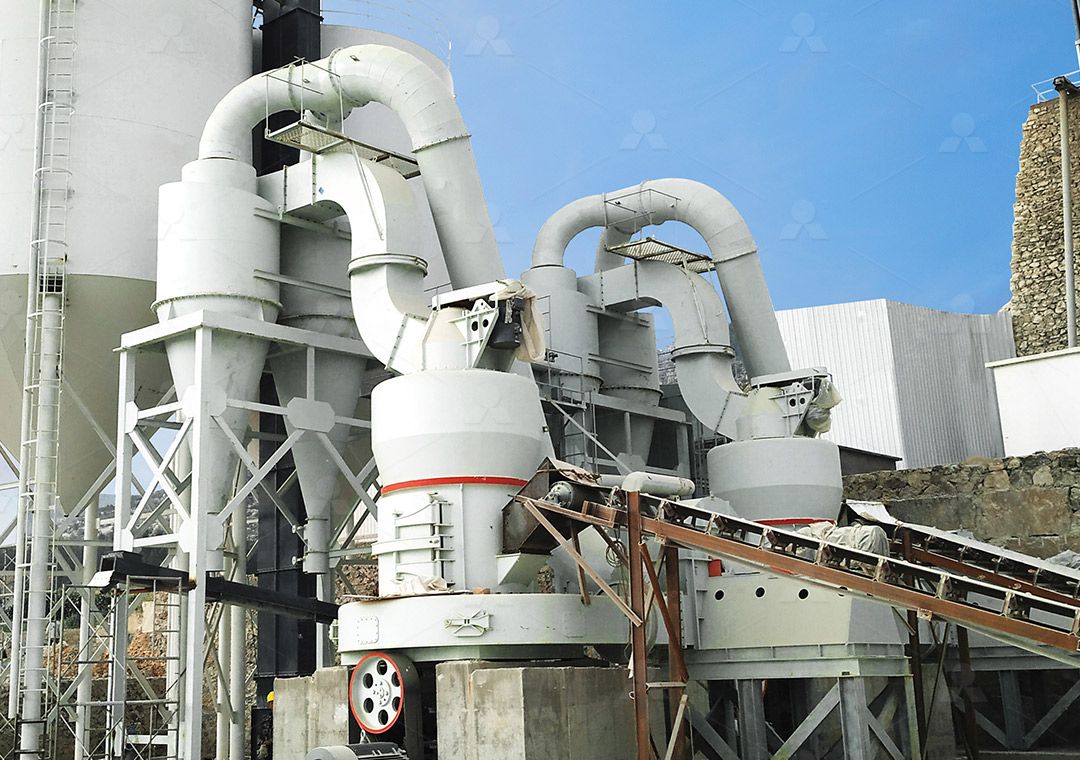
We provide a wide range of mills — including Raymond mill, trapezoidal mill, vertical mill, ultrafine mill, and ball mill, obtained ISO9001 international quality certification, EU CE certification, and Customs Union CU-TR certification. Suitable for processing minerals such as limestone, phosphate, quicklime, kaolin, talc, barite, bentonite, calcium carbonate, dolomite, coal, gypsum, clay, carbon black, slag, cement raw materials, cement clinker, and more.
The discharge range of these mills can be adjusted to meet specific processing needs, typically from 80-400 mesh, 600-3250 mesh, and can achieve the finest particle size of up to 6000 mesh(D50).
If you are looking for a reliable grinding solution to turn stone or minerals into fine powder, please feel free to contact our online customer service.
Advantages of Using a Horizontal Ball Mill in Industrial Grinding Operations
In the world of industrial size reduction, the horizontal ball mill remains a cornerstone technology for many operations. Its simple, robust design and versatile application make it a reliable workhorse for grinding a wide variety of materials, from ores and minerals to chemicals and pigments. While newer technologies like vertical mills have emerged, the horizontal ball mill offers a set of distinct advantages that ensure its continued relevance.
Key Operational Benefits
The primary advantages stem from its straightforward mechanics. The horizontal cylinder, partially filled with grinding media (typically steel or ceramic balls), rotates on its axis. The material to be ground is fed into one end, and the tumbling action of the balls impacts and abrades the particles, resulting in fine powders. This design offers several key benefits:
- Simplicity and Reliability: With fewer complex internal components compared to some vertical mills, horizontal ball mills are generally easier to operate and maintain. Their design is well-understood by plant operators worldwide.
- Versatility: They can handle a wide range of materials and feed sizes, and can be used for both wet and dry grinding processes. The fineness of the end product can be adjusted by varying the size of the grinding media, the residence time, or the rotational speed.
- Lower Initial Investment: For many standard applications, a traditional ball mill can represent a lower capital expenditure compared to more complex, high-tech grinding systems.
- Proven Technology: There’s a vast body of knowledge and experience surrounding their operation, making troubleshooting and optimization more straightforward.
Understanding the Limitations and Modern Alternatives
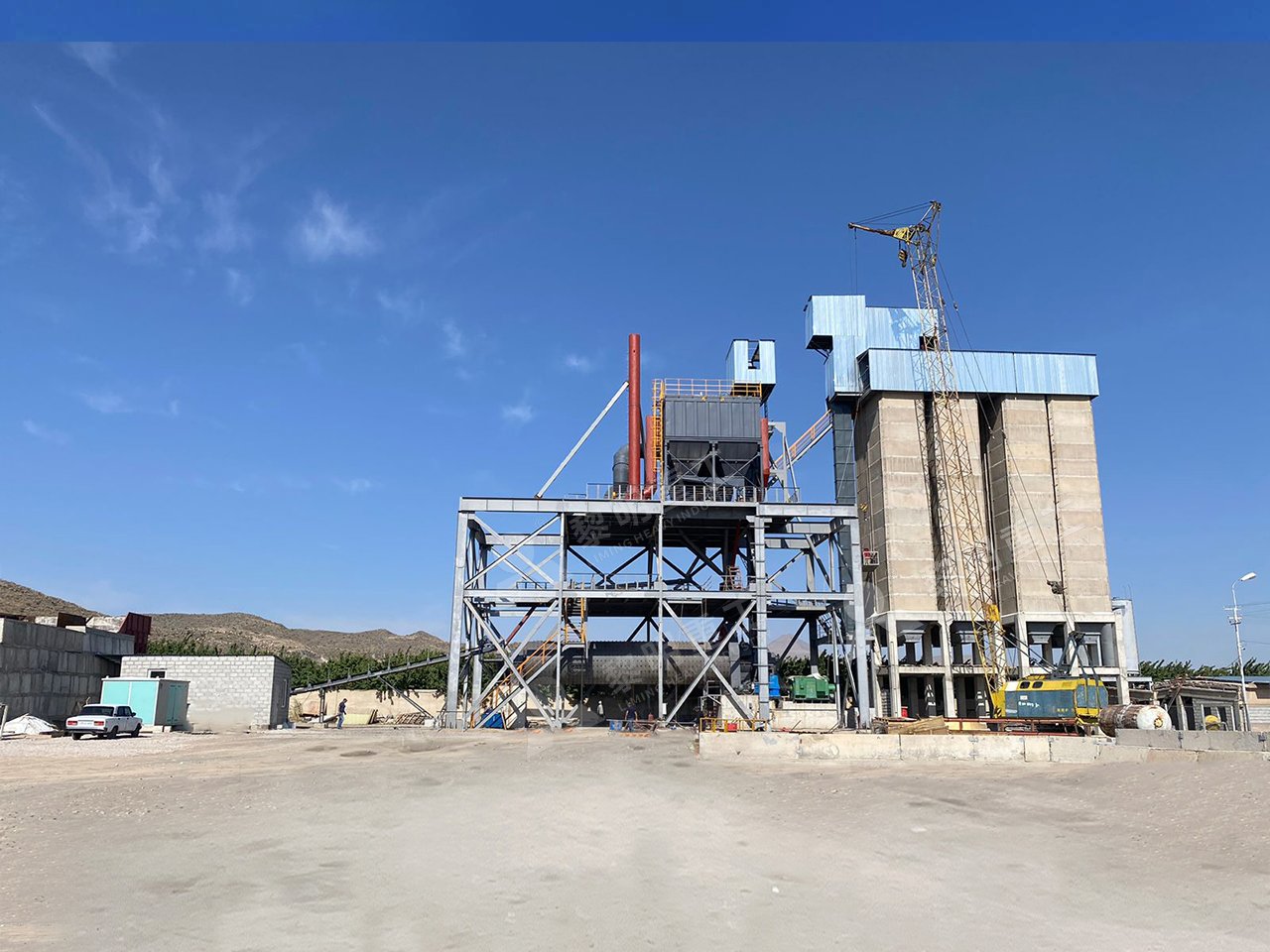
However, it’s crucial to acknowledge the limitations of traditional horizontal ball mills. They can be less energy-efficient than newer designs, as a significant amount of energy is consumed in rotating the entire drum rather than just the grinding mechanism. They also tend to have a larger physical footprint and can generate more noise and heat.
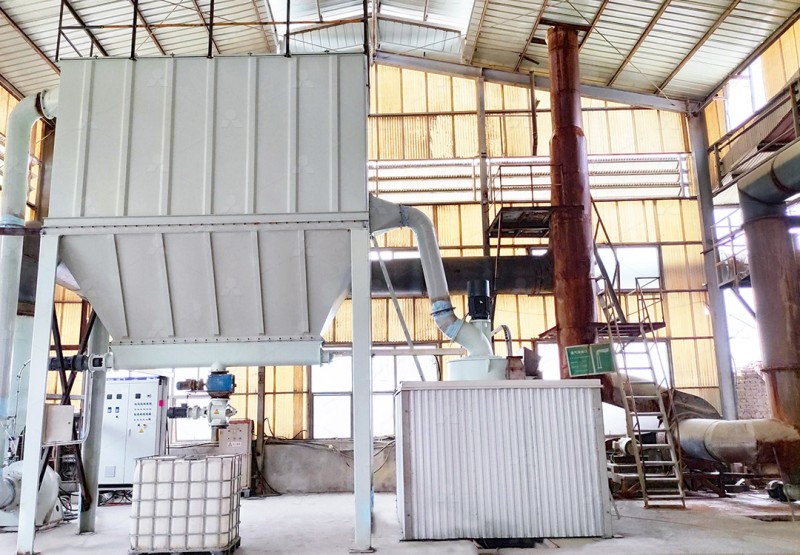
For operations where ultra-fine powders, higher efficiency, and stricter environmental controls are required, modern milling solutions often provide a superior alternative. For instance, our MW Ultrafine Grinding Mill is engineered to adress these exact needs. Designed for customers requiring ultra-fine powder between 325-2500 meshes, it boasts a yield twice as large as that of a traditional ball mill while reducing system energy consumption by up to 70% compared to some other methods. Its innovative design features, like the absence of rolling bearings and screws in the grinding chamber, significantly reduce maintenance worries and the risk of machine damage from loose parts.
Making the Right Choice for Your Operation
The choice between a horizontal ball mill and a more advanced system like our MW Ultrafine Grinding Mill ultimately depends on your specific requirements—desired fineness, capacity, budget, and operational priorities. For robust, general-purpose grinding where operational simplicity is key, the horizontal ball mill is an excellent choice.
But for operations aiming for higher efficiency, finer products, and more automated, environmentally friendly processes, exploring advanced technologies is essential. Another exceptional product in our portfolio is the LUM Ultrafine Vertical Grinding Mill. Integrating ultrafine powder grinding, grading, and transporting, it represents the pinnacle of grinding technology. It features multi-head powder separating technology for precise cuts and lower energy consumption, and a unique reversible structure that allows for easy maintenance and quick replacement of wear parts, minimizing downtime.
In conclusion, while the horizontal ball mill remains a valuable and reliable tool, leveraging modern grinding technologies can unlock significant gains in productivity, efficiency, and product quality for forward-thinking industrial operations.