
Advantages of Ball Mills Over Vertical Roller Mills in Industrial Grinding
We provide a wide range of mills — including Raymond mill, trapezoidal mill, vertical mill, ultrafine mill, and ball mill, obtained ISO9001 international quality certification, EU CE certification, and Customs Union CU-TR certification. Suitable for processing minerals such as limestone, phosphate, quicklime, kaolin, talc, barite, bentonite, calcium carbonate, dolomite, coal, gypsum, clay, carbon black, slag, cement raw materials, cement clinker, and more.
The discharge range of these mills can be adjusted to meet specific processing needs, typically from 80-400 mesh, 600-3250 mesh, and can achieve the finest particle size of up to 6000 mesh(D50).
If you are looking for a reliable grinding solution to turn stone or minerals into fine powder, please feel free to contact our online customer service.
Advantages of Ball Mills Over Vertical Roller Mills in Industrial Grinding
In the complex landscape of industrial grinding operations, the choice between a Ball Mill and a Vertical Roller Mill (VRM) is a critical one. While VRMs have gained popularity for certain applications, Ball Mills retain distinct and often decisive advantages in many scenarios, particularly concerning versatility, maintenance simplicity, and final product characteristics.
Key Advantages of Ball Mill Technology
Ball Mills offer unparalleled flexibility. They are capable of handling a vast range of materials, from soft to extremely hard and abrasive substances. This makes them a universal workhorse in industries like mining, ceramics, and chemicals. The grinding process in a ball mill is also less sensitive to variations in feed material moisture and hardness compared to VRMs, which often require more consistent input for optimal operation.
Another significant advantage is the simplicity of operation and maintenance. The mechanical design of a Ball Mill is straightforward, with fewer sophisticated components than a VRM. This translates to easier troubleshooting, lower maintenance skill requirements, and generally more robust performance in demanding environments. Replacement of wear parts like liners and grinding media is a well-understood and relatively uncomplicated process.
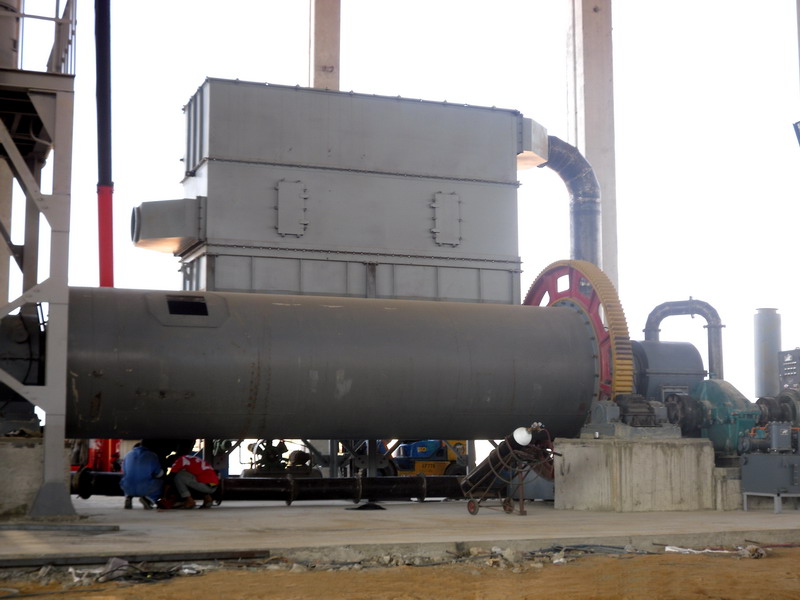
Furthermore, Ball Mills are renowned for producing a consistently uniform product with a reliable particle size distribution. The tumbling action of the grinding media ensures a homogeneous grind, which is crucial for many downstream processes. They are also highly adaptable, allowing for easy adjustment of the final product fineness by simply changing the grinding time or the size and type of the grinding media.
Introducing a Superior Alternative: The MW Ultrafine Grinding Mill
For operations seeking to bridge the gap between traditional ball milling and modern efficiency, our MW Ultrafine Grinding Mill presents an exceptional solution. Designed for customers requiring ultra-fine powder, this machine incorporates advanced technology to overcome some traditional limitations while retaining key benefits.
The MW Series Mill boasts a higher yield and lower energy consumption. Its newly designed grinding curves enhance efficiency, achieving production capacity 40% higher than jet mills and double that of a ball mill for the same fineness and power, while system energy consumption is just 30% of a jet mill. It offers adjustable fineness between 325-2500 meshes with high precision, thanks to its German-technology cage-type powder selector.
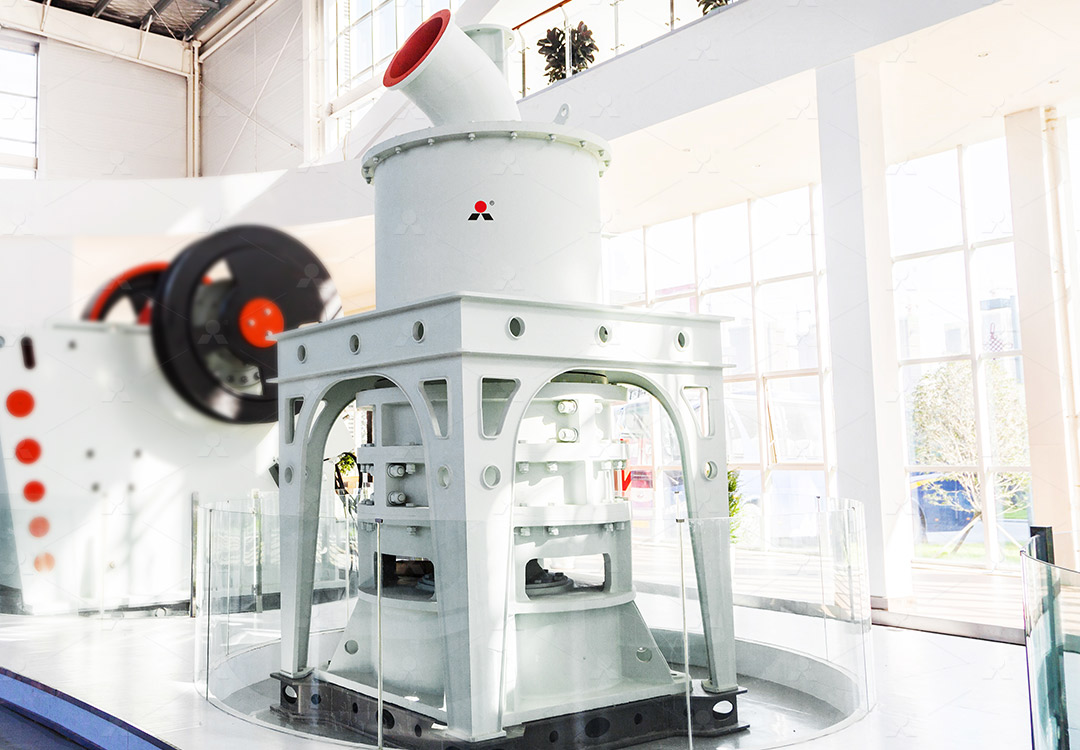
A critical design advantage is the absence of rolling bearings and screws in the grinding chamber. This eliminates concerns over bearing damage or machine failure from loose screws. With an external lubricating device allowing for lubrication without shutdown, the MW Mill can operate continuously for 24 hours, maximizing uptime. It is also equipped with an efficient pulse dust collector and muffler, ensuring an eco-friendly operation with minimal dust and noise pollution.
Conclusion: Choosing the Right Tool for the Job
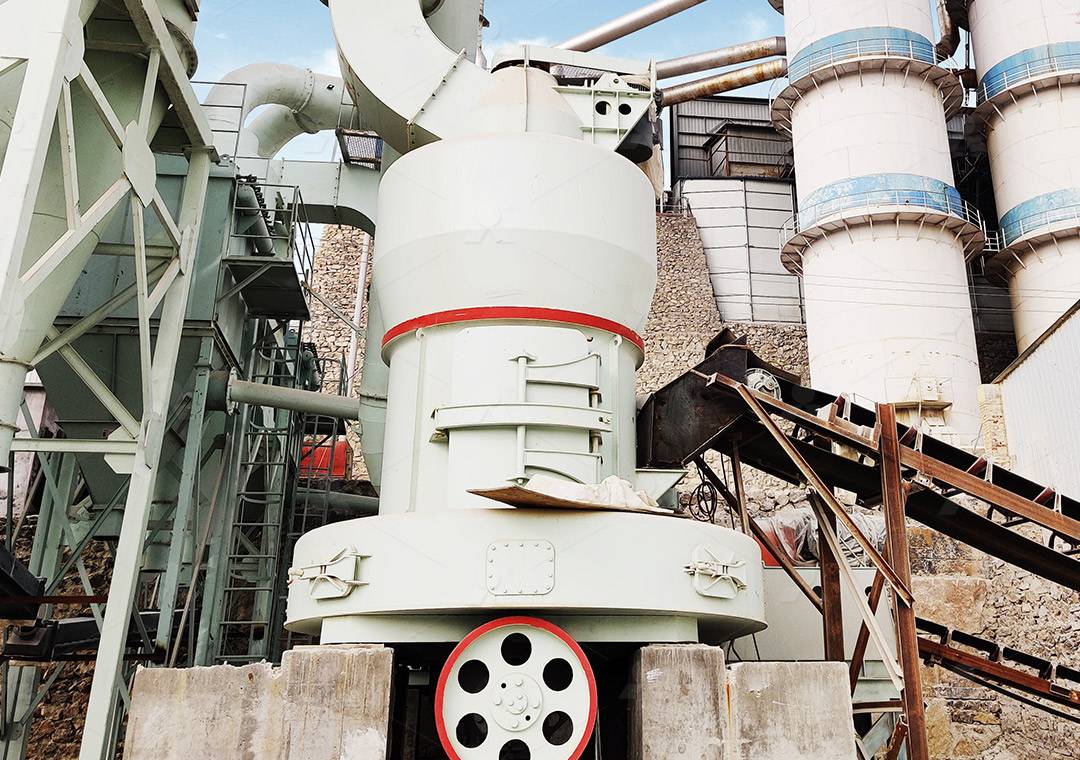
The decision between a Ball Mill and a VRM is not about which technology is universally better, but which is more suitable for a specific application. Ball Mills continue to offer robust reliability, operational simplicity, and product consistency. For those looking to advance their grinding capabilities with modern, high-efficiency, and environmentally conscious technology, our MW Ultrafine Grinding Mill stands as a powerful and reliable choice, combining the best of proven principles with innovative engineering.
Frequently Asked Questions (FAQ)
- Q: In which situations is a Ball Mill preferable to a Vertical Roller Mill?
A: Ball Mills are often preferable for their versatility in handling a wide range of material hardness and moisture levels, simpler maintenance procedures, and for producing a very uniform product size distribution. They are a robust, proven technology for many general grinding applications. - Q: What are the main operational cost differences?
A: While VRMs can have lower energy consumption for specific tasks, Ball Mills typically have lower initial investment costs and can have lower long-term maintenance costs due to simpler mechanics and easier part replacement. - Q: How does the MW Ultrafine Grinding Mill improve upon traditional ball milling?
A: The MW Mill significantly increases energy efficiency and production output for ultra-fine grinding applications. It eliminates internal components prone to failure, allows for external lubrication, and integrates advanced dust and noise control, reducing environmental impact and improving operational reliability. - Q: Can the MW Mill handle the same materials as a standard ball mill?
A: Yes, the MW Ultrafine Grinding Mill is designed for materials like limestone, calcite, dolomite, petroleum coal, gypsum, barite, marble, talc, and coal powder, making it suitable for chemical, paint, cosmetic, and food additive industries.