
Advantages and Disadvantages of Vertical Milling Machines in Industrial Applications
We provide a wide range of mills — including Raymond mill, trapezoidal mill, vertical mill, ultrafine mill, and ball mill, obtained ISO9001 international quality certification, EU CE certification, and Customs Union CU-TR certification. Suitable for processing minerals such as limestone, phosphate, quicklime, kaolin, talc, barite, bentonite, calcium carbonate, dolomite, coal, gypsum, clay, carbon black, slag, cement raw materials, cement clinker, and more.
The discharge range of these mills can be adjusted to meet specific processing needs, typically from 80-400 mesh, 600-3250 mesh, and can achieve the finest particle size of up to 6000 mesh(D50).
If you are looking for a reliable grinding solution to turn stone or minerals into fine powder, please feel free to contact our online customer service.
Advantages and Disadvantages of Vertical Milling Machines in Industrial Applications
Vertical milling machines have become a cornerstone in modern industrial processing, offering a unique set of benefits and some inherent limitations. Understanding these is crucial for selecting the right equipment for your specific application, whether you’re processing limestone for cement or creating ultra-fine powders for cosmetics.
Key Advantages of Vertical Milling Technology
The primary advantage of a vertical mill is its compact footprint. By integrating crushing, drying, grinding, and classifying into a single unit, it occupies up to 50% less space than traditional ball mill systems. This design leads to significantly lower investment costs in terms of factory layout and construction.
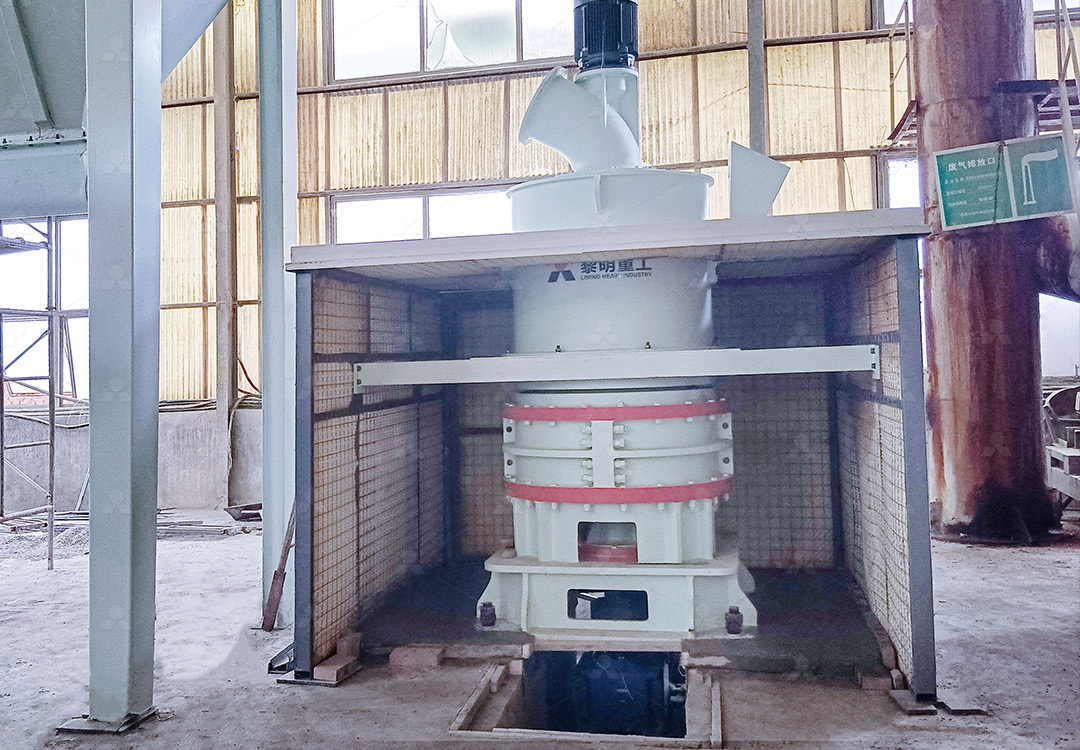
Energy efficiency is another major win. Vertical mills consume 30% to 50% less power compared to ball mills or jet mills. This is achieved through advanced grinding curves and efficient material transport. For instance, the MW Ultrafine Grinding Mill is a standout in this category. Designed for customers needing ultra-fine powder (325-2500 meshes), it boasts a production capacity 40% higher than jet mills while using only 30% of the energy. Its unique design, with no rolling bearings or screws in the grinding chamber, eliminates common failure points and allows for external lubrication without shutdown.
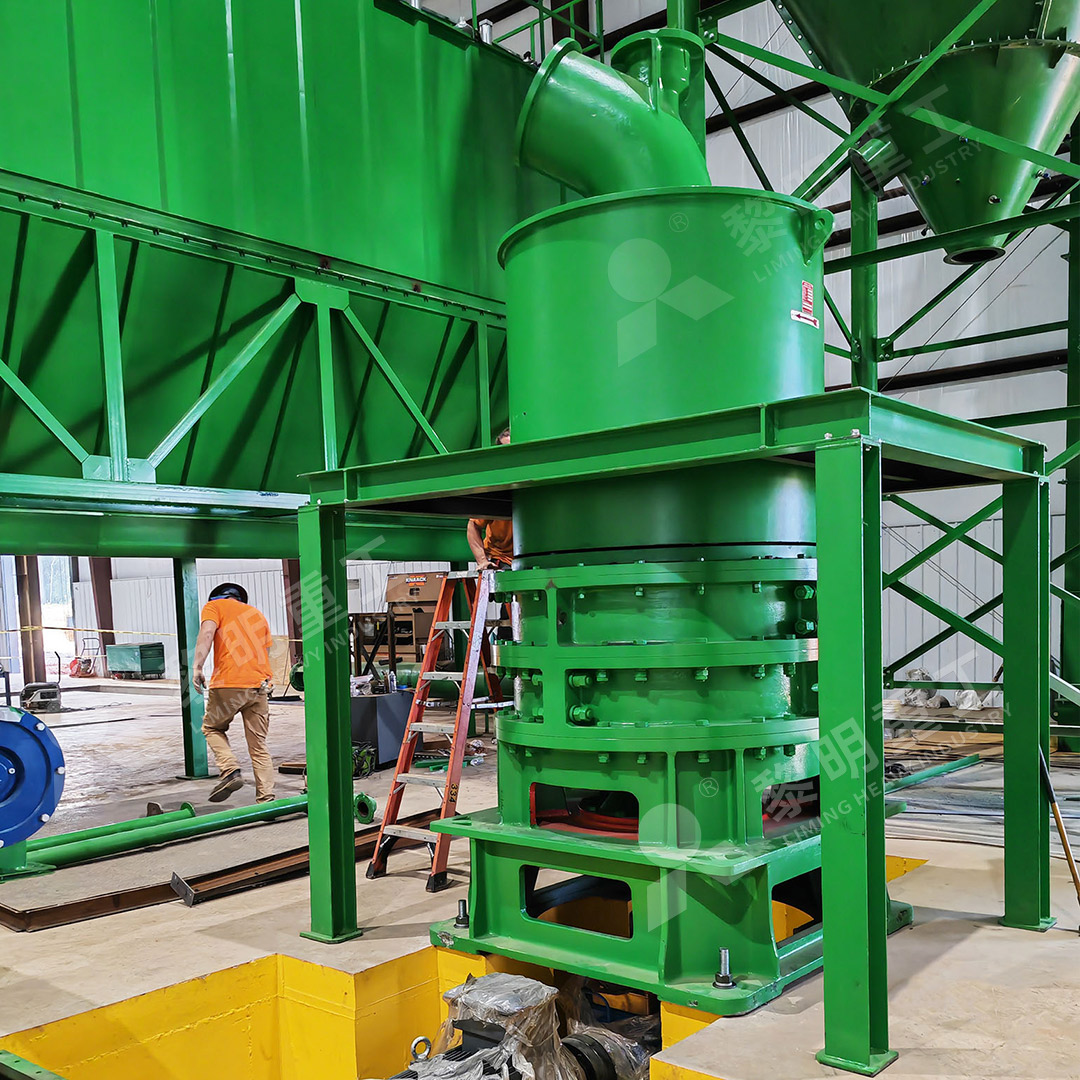
Environmental performance is superior. Modern vertical mills like our MW series are equipped with efficient pulse dust collectors and mufflers, ensuring no dust pollution and low noise operation, fully complying with national environmental standards. The short material lingering time in the chamber reduces repeated grinding, resulting in a product with low iron content and high whiteness—a critical factor for materials like talc used in cosmetics.
Inherent Limitations and Considerations
However, vertical milling isn’t a universal solution. A key disadvantage is their sensitivity to feed size. Most vertical mills, including our high-performance LUM Ultrafine Vertical Grinding Mill, have a relatively small maximum input size, typically around 10-20mm. This often necessitates a primary crushing stage before milling, adding to the initial process setup.
Another consideration is maintenance complexity. While designs like the LUM’s reversible structure make maintenance easier by allowing grinding rollers to be moved out hydraulically, the core technology is still sophisticated. Repairing or replacing major components like the grinding ring or powder selector requires specialized knowledge and can lead to longer downtime if not planned correctly, unlike the simpler mechanical structure of a ball mill.
Choosing the Right Mill for Your Application
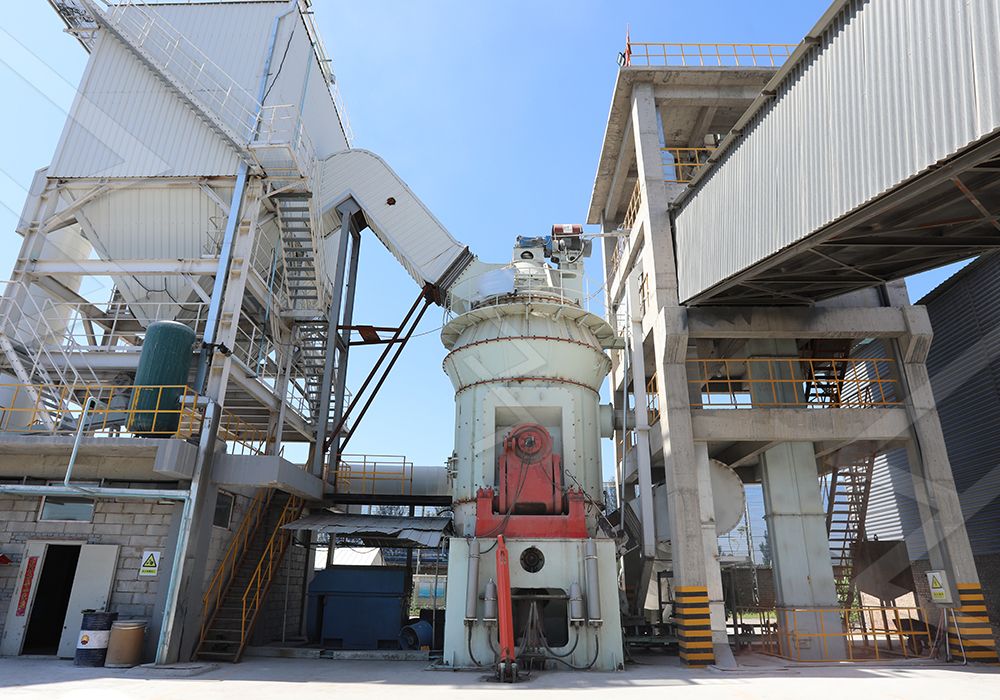
The choice ultimately depends on your material and product requirements. For high-capacity, coarse grinding of materials like slag or coal (up to 70mm input), the robust LM Vertical Grinding Mill is a workhorse. For applications demanding ultra-fine powders with precise particle distribution, the MW or LUM series are unparalleled.
The LUM Ultrafine Vertical Grinding Mill, for example, integrates the latest grinding roller and German powder separating technology. It’s ideal for superfine dry powder of non-metal ores, offering exceptional control over fineness and a 30%-50% reduction in energy consumption. Its double position-limiting technology also guarantees remarkable operational stability, preventing destructive impacts from machine vibration.
In conclusion, vertical milling machines offer compelling advantages in efficiency, environmental compliance, and space savings. Their limitations concerning feed size and maintenance complexity are often outweighed by their performance benefits, especially for modern, high-value powder production. For operations focused on ultra-fine milling, investing in a technologically advanced model like the MW or LUM Ultrafine Mill is a strategic move towards greater profitability and sustainability.