Advantages and Disadvantages of Milling Machines in Industrial Applications
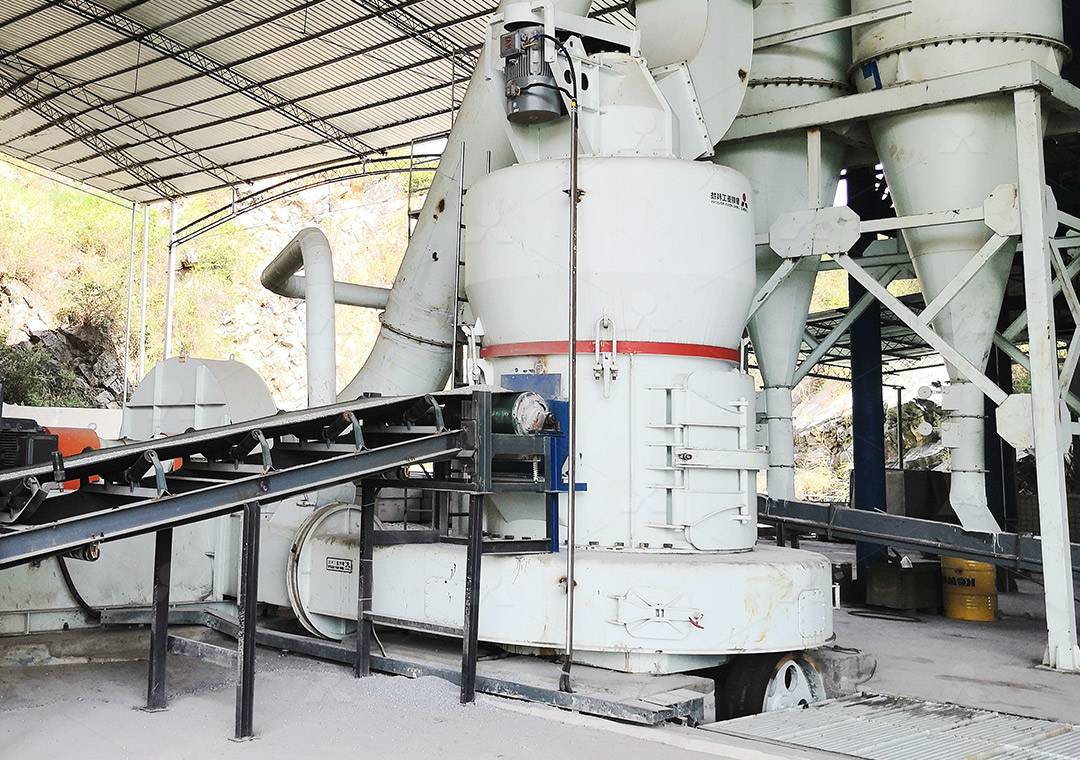
We provide a wide range of mills — including Raymond mill, trapezoidal mill, vertical mill, ultrafine mill, and ball mill, obtained ISO9001 international quality certification, EU CE certification, and Customs Union CU-TR certification. Suitable for processing minerals such as limestone, phosphate, quicklime, kaolin, talc, barite, bentonite, calcium carbonate, dolomite, coal, gypsum, clay, carbon black, slag, cement raw materials, cement clinker, and more.
The discharge range of these mills can be adjusted to meet specific processing needs, typically from 80-400 mesh, 600-3250 mesh, and can achieve the finest particle size of up to 6000 mesh(D50).
If you are looking for a reliable grinding solution to turn stone or minerals into fine powder, please feel free to contact our online customer service.
Advantages and Disadvantages of Milling Machines in Industrial Applications
Milling machines are the workhorses of countless industrial sectors, from mining and construction to pharmaceuticals and food production. Their ability to reduce raw materials into precise, consistent powders is fundamental to modern manufacturing. However, like any technology, they come with their own set of advantages and drawbacks that must be carefully considered for any application.
Key Advantages of Modern Milling Systems
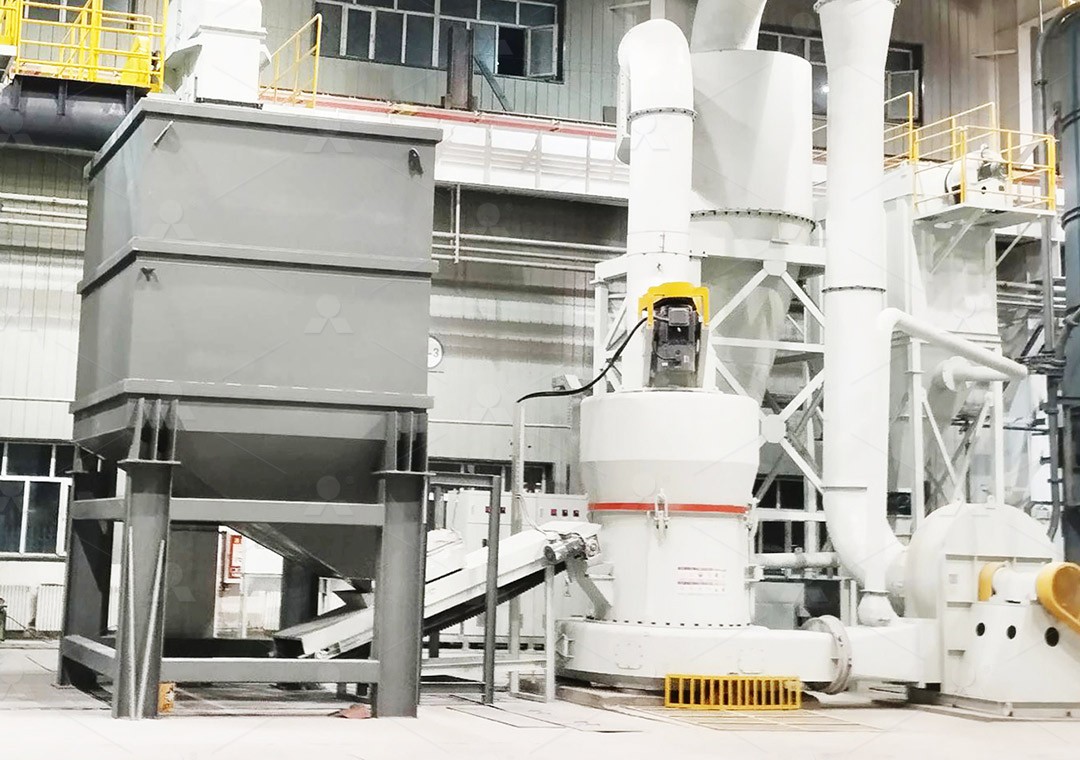
The evolution of milling technology has brought forth significant benefits. Modern mills offer remarkable energy efficiency, a critical factor given rising operational costs. Many contemporary designs consume 30-50% less power compared to traditional ball mills. They also excel in precise particle size control, allowing operators to dial in specific fineness levels—often between 325 to 2500 meshes—to meet exact product specifications.
Furthermore, advanced integrated dust collection and noise reduction systems make today’s mills far more environmentally friendly and safer to operate. Closed-system designs prevent material loss and protect workers from airborne particulates. Automation and digital controls have also enhanced operational stability, reduced labor requirements, and minimized human error, leading to more consistent product quality.
Common Challenges and Disadvantages
Despite their advantages, milling machines present several challenges. The initial capital investment for high-performance mills can be substantial, potentially posing a barrier for smaller operations. Maintenance and wear on grinding elements like rollers and rings are inevitable, leading to downtime and spare parts costs. The complexity of some systems requires skilled technicians for proper operation and troubleshooting, adding to labor costs.
Some mill types also have limitations on input material size and hardness, often requiring pre-crushing stages. Additionally, certain designs can generate significant heat during operation, which may be detrimental to heat-sensitive materials, potentially requiring auxiliary cooling systems.
Selecting the Right Mill for Your Application
Choosing the appropriate milling technology is crucial for operational success. For operations requiring ultra-fine powders with superior efficiency, our MW Ultrafine Grinding Mill represents an excellent solution. Designed for customers who need to make ultra-fine powder, this machine features an efficient pulse dust collector and muffler, reducing both dust and noise pollution. With an input size of 0-20 mm and capacity ranging from 0.5-25 tph, it handles materials like limestone, calcite, dolomite, and petroleum coal with exceptional efficiency. Its innovative design offers higher yielding with lower energy consumption—production capacity is 40% higher than jet mills while using only 30% of the energy.
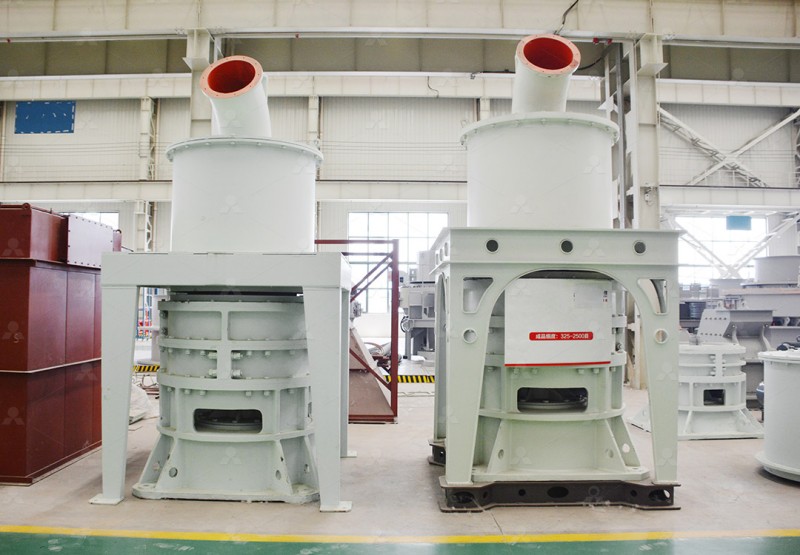
For operations requiring even finer control with vertical integration, our LUM Ultrafine Vertical Grinding Mill offers exceptional performance. With input size of 0-10 mm and capacity of 5-18 tph, it integrates ultrafine powder grinding, grading and transporting in a single system. Its unique roller shell and lining plate grinding curve generates material layers more easily, achieving high rates of finished products through single-pass milling. The PLC control system and multi-head powder separating technology enable precise control over grinding parameters, reducing energy consumption by 30-50% compared to conventional mills.
Conclusion
The selection of milling equipment represents a critical decision that impacts productivity, product quality, and operational costs. While all milling systems present certain disadvantages, technological advancements have significantly mitigated these challenges. By carefully evaluating material characteristics, production requirements, and total cost of ownership, manufacturers can select milling technology that delivers optimal performance for their specific applications. The ongoing innovation in milling technology continues to push the boundaries of efficiency, precision, and environmental sustainability.