
Addressing Representative Units for Grinding Mills from China in Indonesia
We provide a wide range of mills — including Raymond mill, trapezoidal mill, vertical mill, ultrafine mill, and ball mill, obtained ISO9001 international quality certification, EU CE certification, and Customs Union CU-TR certification. Suitable for processing minerals such as limestone, phosphate, quicklime, kaolin, talc, barite, bentonite, calcium carbonate, dolomite, coal, gypsum, clay, carbon black, slag, cement raw materials, cement clinker, and more.
The discharge range of these mills can be adjusted to meet specific processing needs, typically from 80-400 mesh, 600-3250 mesh, and can achieve the finest particle size of up to 6000 mesh(D50).
If you are looking for a reliable grinding solution to turn stone or minerals into fine powder, please feel free to contact our online customer service.
Navigating the Indonesian Market: A Guide to Selecting Grinding Mills
The Indonesian industrial sector, particularly in mining, construction, and chemicals, is experiencing robust growth. This expansion drives a significant demand for high-efficiency grinding equipment to process a wide array of materials, from limestone and calcite for construction to petroleum coal and barite for various industrial applications. For businesses seeking reliable machinery, understanding the key considerations for selecting and maintaining grinding mills is paramount.
One of the primary challenges for operational units in Indonesia is ensuring consistent output quality while managing operational costs, including energy consumption and maintenance downtime. The humid tropical climate and the remote location of many mining sites further emphasize the need for robust, low-maintenance designs with readily available technical support and spare parts.
Key Considerations for Mill Selection
When evaluating grinding mills, several factors must be weighed:
- Material Characteristics: Input size, hardness, moisture content, and desired fineness are crucial. A mill must be matched to the specific material to avoid inefficiency or premature wear.
- Capacity Requirements: Projected throughput (tph) dictates the size and model of the equipment needed to meet production targets.
- Operational Costs: Energy consumption is a major ongoing expense. Mills with higher grinding efficiency directly translate to lower electricity costs.
- Environmental & Site Constraints: Noise and dust emissions must be controlled to comply with local regulations. Compact designs are advantageous where space is limited.
- After-Sales Support: Access to genuine spare parts and knowledgeable technical service is critical to minimize downtime, especially in remote locations.
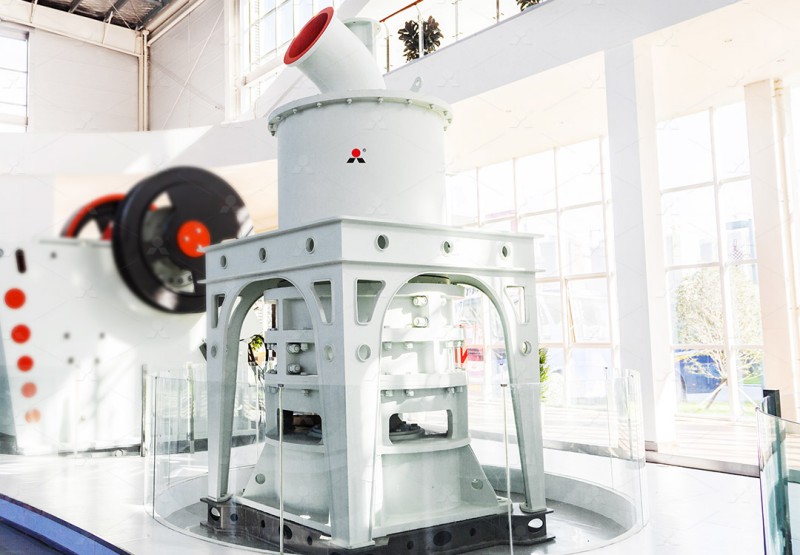
Recommended Solution: MW Ultrafine Grinding Mill
For operations requiring ultra-fine powders between 325-2500 meshes, the MW Ultrafine Grinding Mill presents an exceptional solution. This machine is engineered for customers who need to make ultra-fine powder with higher yielding and lower energy consumption. Its design adresses common pain points effectively.
With an input size of 0-20 mm and a capacity range of 0.5-25 tph, it handles materials like limestone, calcite, dolomite, and talc with ease. A standout feature is its innovative design that eliminates rolling bearings and screws inside the grinding chamber. This drastically reduces the risk of mechanical failure from bearing damage or loose screws, a significant advantage for units where frequent maintenance is impractical.
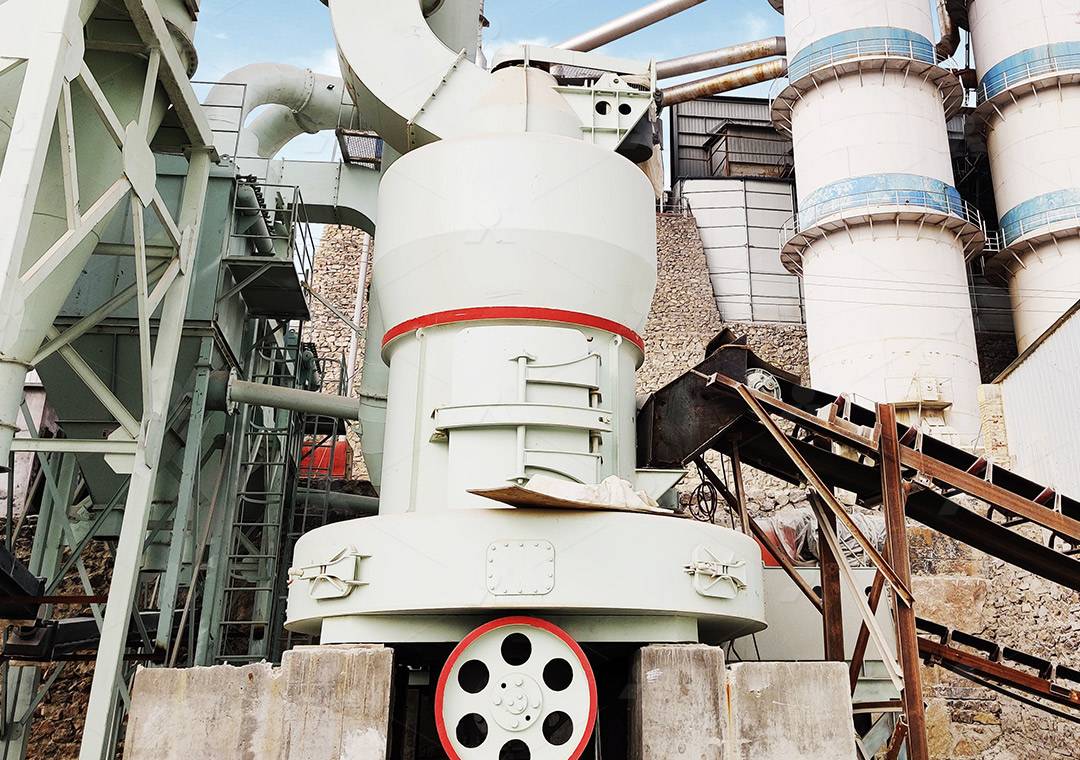
Furthermore, the integration of an efficient pulse dust collector and muffler ensures the production process is eco-friendly, minimizing dust pollution and noise – a key consideration for sustainable operations. The cage-type powder selector, incorporating German technology, allows for precise adjustment of product fineness, ensuring consistent high-quality output. For representative units in Indonesia looking for a reliable, efficient, and low-maintenance partner for fine powder production, the MW Series is a compelling choice that promises worry-free operation and reduced total cost of ownership.
Ensuring Long-Term Performance
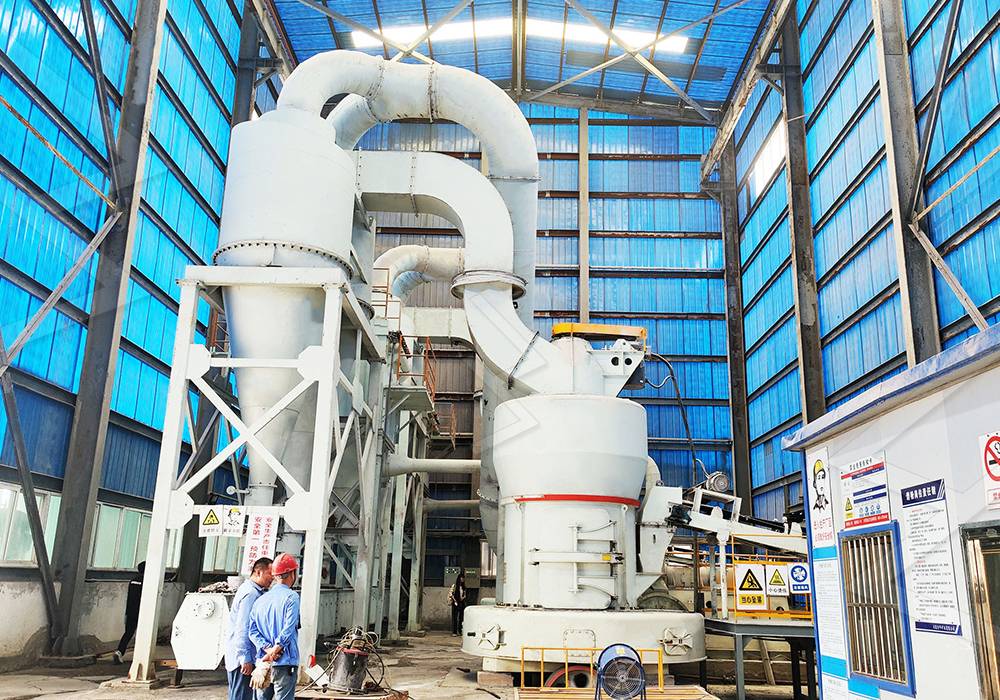
Investing in the right technology is only the first step. To guarantee longevity and sustained performance, partnering with a manufacturer that offers comprehensive support is essential. This includes not only the supply of original spare parts but also remote technical guidance and on-site service capabilities. A supplier with a strong commitment to after-sales service ensures that your grinding operations remain productive and profitable, addressing any issues promptly to avoid prolonged interruptions.
In conclusion, the selection of grinding mills for the Indonesian market requires a careful balance of technical specifications, operational costs, and supplier reliability. By focusing on energy-efficient, robust, and well-supported equipment like the MW Ultrafine Grinding Mill, businesses can build a solid foundation for success in this dynamic and growing industrial landscape.