
Activation Process for Producing Activated Calcium Carbonate Powder: A Step-by-Step Guide
We provide a wide range of mills — including Raymond mill, trapezoidal mill, vertical mill, ultrafine mill, and ball mill, obtained ISO9001 international quality certification, EU CE certification, and Customs Union CU-TR certification. Suitable for processing minerals such as limestone, phosphate, quicklime, kaolin, talc, barite, bentonite, calcium carbonate, dolomite, coal, gypsum, clay, carbon black, slag, cement raw materials, cement clinker, and more.
The discharge range of these mills can be adjusted to meet specific processing needs, typically from 80-400 mesh, 600-3250 mesh, and can achieve the finest particle size of up to 6000 mesh(D50).
If you are looking for a reliable grinding solution to turn stone or minerals into fine powder, please feel free to contact our online customer service.
Activation Process for Producing Activated Calcium Carbonate Powder: A Step-by-Step Guide
Activated calcium carbonate (ACC) is a surface-modified form of calcium carbonate that exhibits superior properties compared to its unmodified counterpart. The activation process, primarily involving surface treatment with stearic acid or other coupling agents, enhances its compatibility with polymer matrices, improves dispersion, and increases impact strength in composite materials. This guide outlines the key steps involved in producing high-quality ACC powder, with a focus on the critical role of milling technology.
Step 1: Raw Material Selection and Pre-Treatment
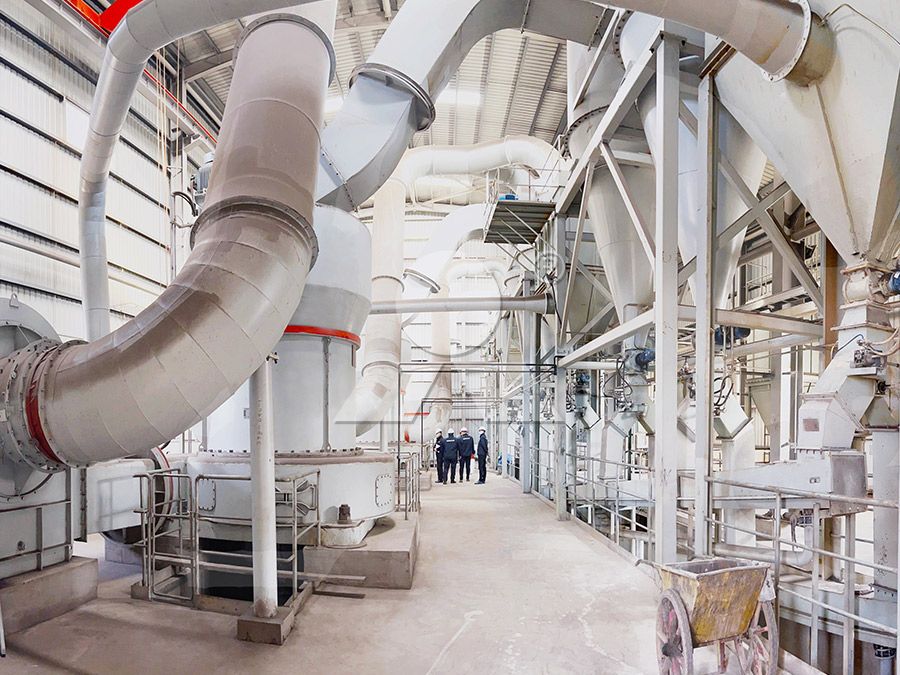
The journey begins with the selection of high-purity limestone or marble. The raw material should have a high calcium carbonate content (>98%) and minimal impurities like silica or iron oxides, which can affect the final product’s whiteness and reactivity. The large limestone blocks are first crushed using a primary jaw crusher to reduce their size to a manageable 0-20 mm range, preparing them for the fine grinding stage.
Step 2: Drying and Pre-Grinding
Moisture content can hinder the grinding efficiency and the subsequent surface modification. The crushed limestone is dried in a rotary dryer to reduce moisture to below 1%. A pre-grinding step may be employed to achieve a consistent feed size, which is crucial for optimizing the performance of the final ultra-fine grinding mill.
Step 3: The Heart of the Process: Ultra-Fine Grinding
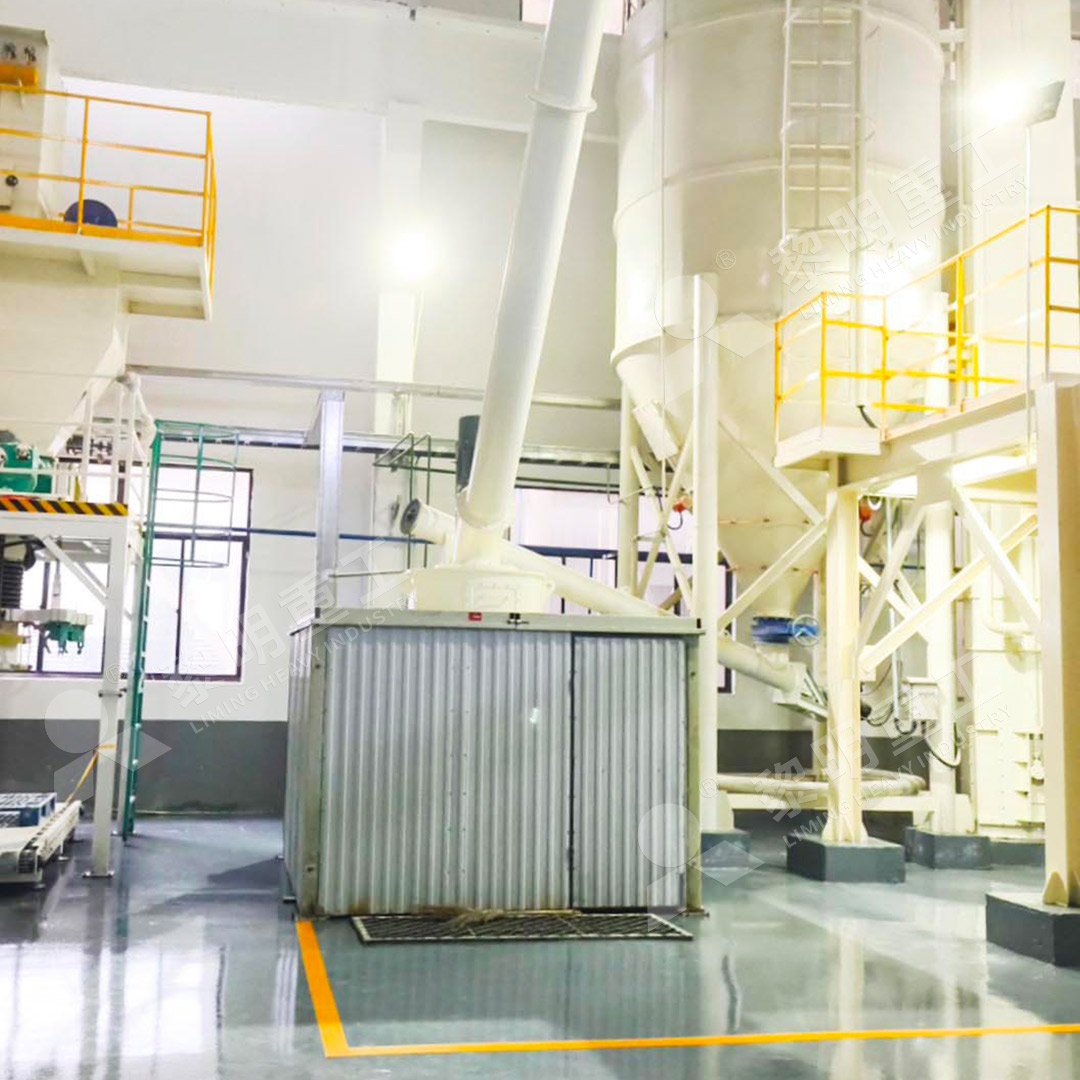
This is the most critical stage, where the particle size distribution and specific surface area are defined. Achieving a fine and consistent particle size is paramount for effective activation. For this purpose, advanced grinding mills are indispensable. We highly recommend our MW Ultrafine Grinding Mill for this application. Its design is specifically tailored for producing ultra-fine powders. With an input size of 0-20 mm and a capacity ranging from 0.5 to 25 tph, it efficiently grinds the dried limestone. A key advantage is its ability to produce a fineness between 325 and 2500 meshes, which provides the large surface area necessary for optimal interaction with the surface modifier. Furthermore, its efficient pulse dust collector ensures an eco-friendly operation with minimal dust emission.
Step 4: Surface Activation (Modification)
The finely ground calcium carbonate powder is then conveyed to a high-speed mixer, typically a Henschel or pin mixer. Here, the surface modification takes place. A precise amount of stearic acid (usually 1-3% by weight of the CaCO3) is heated to become liquid and is sprayed onto the powder as it is intensely agitated. The mechanical and thermal energy in the mixer ensures the stearic acid uniformly coats each particle, changing the surface chemistry from hydrophilic to hydrophobic. This step is crucial for the ‘activation,’ as it determines the final product’s performance in plastics, paints, and rubber.
Step 5: Cooling and Classification
After modification, the powder is hot and may have formed soft agglomerates. It is cooled in a cooling mixer or fluidized bed cooler. The cooled powder is then passed through a classifier or a sieve to break down any agglomerates and ensure a consistent, free-flowing product. The final product is the activated calcium carbonate powder.
Step 6: Packaging and Quality Control
The finished ACC powder is packaged in moisture-proof bags or bulk containers. Rigorous quality control checks are performed, including tests for activation degree (often measured by methanol wettability or oil absorption), particle size distribution, brightness, and moisture content.
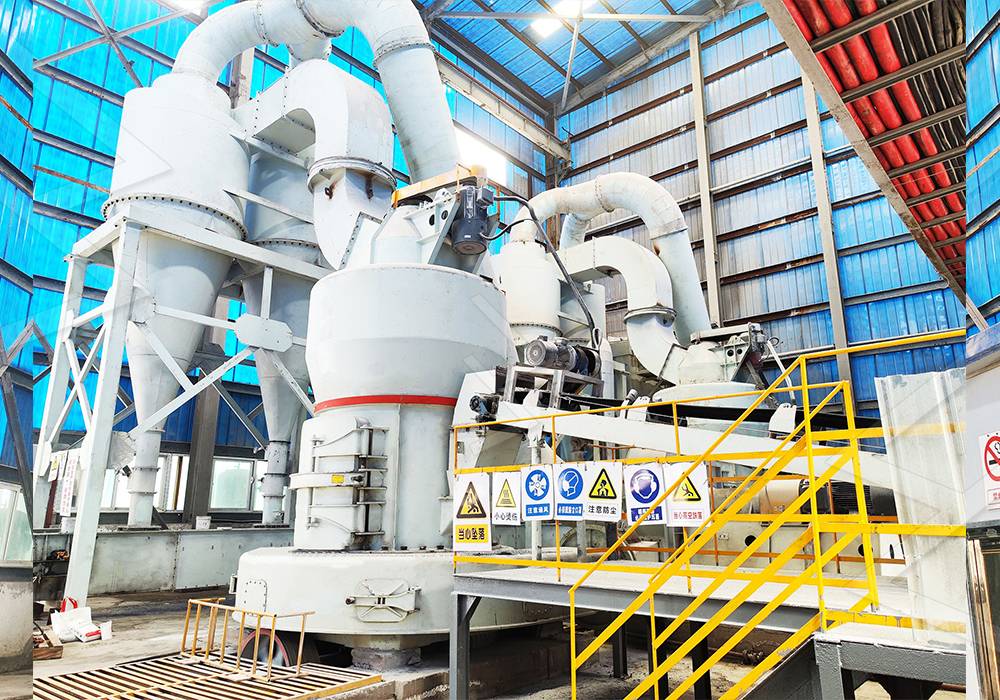
For operations requiring even higher precision in particle shape and narrow distribution, especially for premium applications, our LUM Ultrafine Vertical Grinding Mill is an excellent alternative. It integrates grinding, classifying, and transporting, and its unique roller technology ensures a high yield of finished products with excellent whiteness and cleanliness, thanks to reduced iron contamination.
Frequently Asked Questions (FAQ)
What is the main difference between ordinary and activated calcium carbonate?
The primary difference lies in the surface properties. Activated calcium carbonate has been treated with a stearate coating, making it hydrophobic (water-repelling) and more compatible with organic polymers like plastics and rubber. This enhances its performance as a functional filler.
Why is the fineness of grinding so important before activation?
A finer particle size creates a larger specific surface area. This increased surface area allows for more effective and uniform coating by the stearic acid during the modification process, leading to a higher degree of activation and better performance in the end-use application.
Can your MW Grinding Mill handle other materials besides limestone?
Absolutely. The MW Ultrafine Grinding Mill is versatile and suitable for a wide range of non-metallic minerals with Mohs hardness below 7, including calcite, dolomite, talc, barite, and gypsum, making it a valuable asset for various powder production lines.
What are the key benefits of using your recommended mills for ACC production?
Our mills, like the MW Series, offer higher yielding and lower energy consumption compared to traditional mills. Features like adjustable fineness (325-2500 meshes), an eco-friendly dust removal system, and a design free of rolling bearings in the grinding chamber contribute to stable, efficient, and low-maintenance operation, which is critical for consistent ACC quality.