
Achieving 250 Mesh Fineness: A Technical Guide to Gypsum Grinding Mill Selection
We provide a wide range of mills — including Raymond mill, trapezoidal mill, vertical mill, ultrafine mill, and ball mill, obtained ISO9001 international quality certification, EU CE certification, and Customs Union CU-TR certification. Suitable for processing minerals such as limestone, phosphate, quicklime, kaolin, talc, barite, bentonite, calcium carbonate, dolomite, coal, gypsum, clay, carbon black, slag, cement raw materials, cement clinker, and more.
The discharge range of these mills can be adjusted to meet specific processing needs, typically from 80-400 mesh, 600-3250 mesh, and can achieve the finest particle size of up to 6000 mesh(D50).
If you are looking for a reliable grinding solution to turn stone or minerals into fine powder, please feel free to contact our online customer service.
Navigating the Precision Grinding Landscape for Gypsum
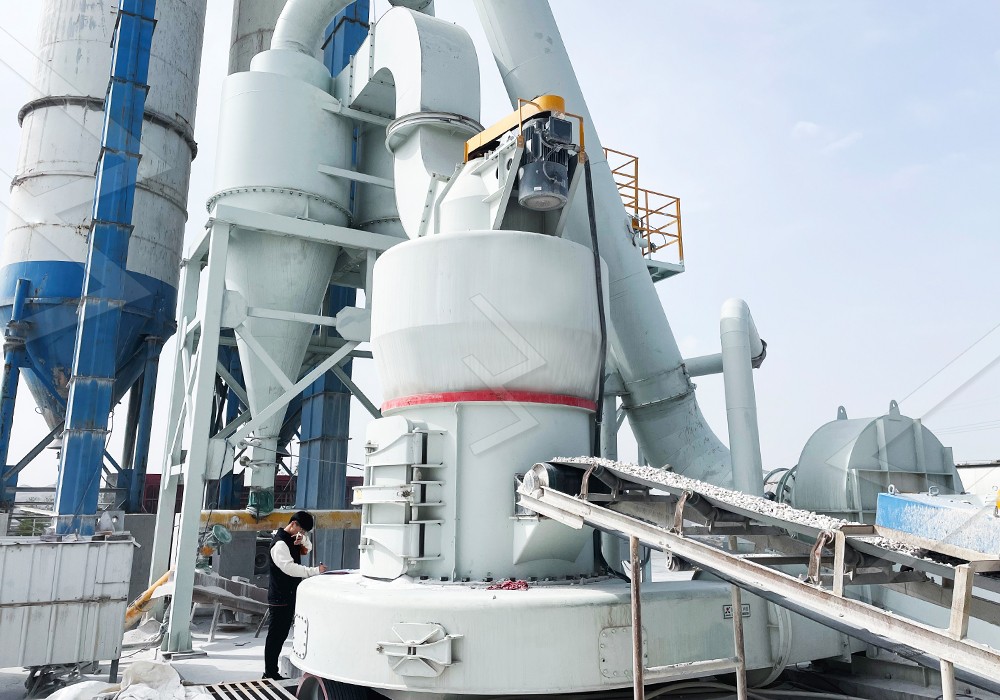
For professionals in the construction materials, agriculture, and industrial filler sectors, achieving a consistent 250-mesh (approximately 61 microns) fineness in gypsum powder is a critical benchmark. This specific particle size range is essential for optimizing the setting time, strength, and workability of plaster and cement, as well as ensuring uniformity in agricultural soil conditioners and food-grade additives. The journey from raw gypsum rock to this ultra-fine powder is a complex engineering challenge, demanding a mill that balances high efficiency, precise particle classification, and operational reliability. The market offers a plethora of grinding technologies, each with its own merits, but the key lies in selecting a system engineered for the unique physical characteristics of gypsum—its relatively soft Mohs hardness but tendency to agglomerate.
The Core Challenges in Fine Gypsum Milling
Selecting the wrong equipment for 250-mesh gypsum production can lead to a cascade of operational headaches. Inefficient grinding circuits result in excessive energy consumption, directly impacting the bottom line. Inconsistent particle size distribution, where the output contains both unacceptably coarse particles and overly fine dust, compromises product quality and can lead to batch rejections. Furthermore, traditional mills with numerous internal bearings, screws, and complex mechanical linkages within the grinding chamber are prone to accelerated wear from gypsum’s abrasive qualities, leading to frequent downtime for maintenance and part replacement. Environmental compliance adds another layer of complexity, as fugitive dust and high noise levels are no longer permissible in modern industrial settings.
Engineering Excellence: Features of a Modern Gypsum Mill
A mill designed to excel at producing 250-mesh gypsum powder must incorporate several advanced features. First and foremost is a high-precision, dynamic powder classifier. This component is the gatekeeper of fineness; it must efficiently separate particles at the target 61-micron cut-point, returning oversized material for regrinding without creating bottlenecks. Secondly, the grinding mechanism itself should promote inter-particle crushing with minimal direct metal-to-metal contact, reducing wear and iron contamination. Energy efficiency is paramount, often achieved through optimized grinding curves and reduced system air resistance. Finally, the entire system must be designed for cleanliness, incorporating robust pulse-jet dust collection and sound dampening to create a sustainable and operator-friendly workplace.
Recommended Solution: The MW Ultrafine Grinding Mill
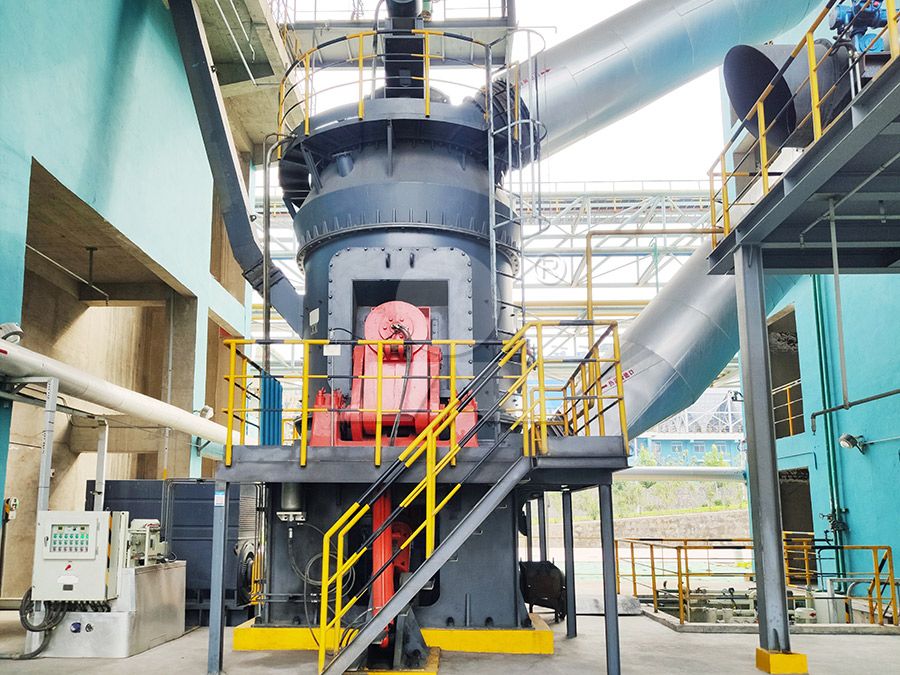
For operations prioritizing ultra-fine output with exceptional energy efficiency, the MW Ultrafine Grinding Mill presents a compelling solution. This machine is specifically engineered for customers requiring precise powder in the range of 325 to 2500 meshes, making 250 mesh a core competency. Its design directly addresses the common pain points of gypsum processing. The innovative cage-type powder selector, utilizing German technology, ensures accurate classification at 250 mesh with a high screening rate. Notably, its grinding chamber eliminates rolling bearings and screws, liberating users from concerns about bearing seal failures or loose hardware causing catastrophic damage. This design allows for external lubrication without shutdown, supporting continuous 24/7 production—a vital feature for high-volume operations. With an input size of 0-20 mm and a capacity ranging from 0.5 to 25 tph, it offers flexibility for various production scales.
Furthermore, the MW mill is equipped with an efficient pulse dust collector and muffler, ensuring the entire production process meets stringent environmental standards with minimal dust and noise pollution. Its grinding efficiency is remarkable, offering a production capacity estimated to be 40% higher than jet or stirred mills at the same power and fineness, while consuming only about 30% of the energy of a jet mill. For gypsum producers aiming for superior yield, lower operating costs, and worry-free maintenance, the MW Ultrafine Grinding Mill is a technologically advanced choice.
Alternative for High-Capacity Needs: The LUM Ultrafine Vertical Grinding Mill
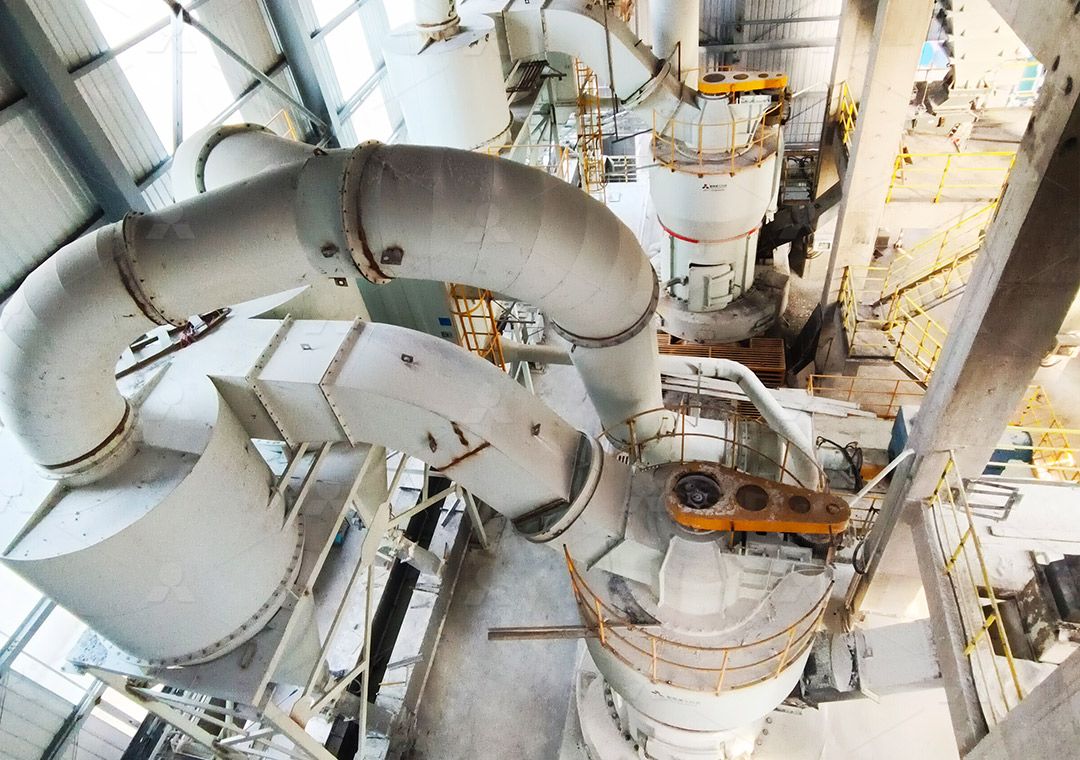
For projects demanding higher throughput within the fine and ultra-fine spectrum, the LUM Ultrafine Vertical Grinding Mill is another excellent option from our portfolio. Integrating the latest grinding roller and powder separating technology, it excels in producing superfine dry powder. Its unique roller shell and lining plate grinding curve are designed to easily form a stable material bed, enabling high rates of finished product in a single pass. This is particularly beneficial for gypsum, as it reduces over-grinding and minimizes the residence time of material in the mill, which helps maintain product whiteness. The LUM mill also features a reversible roller structure, allowing grinding rollers to be easily swung out for maintenance or liner replacement, drastically reducing service time and associated downtime losses. With a capacity of 5-18 tph, it is suited for medium to large-scale production lines.
Conclusion: Precision as a Standard
Producing 250-mesh gypsum powder is no longer a matter of brute force grinding but one of sophisticated particle management and system engineering. The choice of milling technology fundamentally dictates product quality, operational expense, and plant sustainability. By investing in a mill designed with precise classification, robust and simple grinding mechanics, and integrated environmental controls, producers can transform gypsum processing from a cost center into a reliable, high-quality, and efficient cornerstone of their business. The future of gypsum milling lies in smart, durable, and efficient designs that deliver consistent fineness batch after batch.
Frequently Asked Questions (FAQs)
1. Can your recommended mills handle other materials besides gypsum?
Absolutely. Both the MW and LUM series mills are highly versatile. They are commonly used for a wide range of non-metallic minerals with similar or harder Mohs hardness, including limestone, calcite, dolomite, talc, barite, and marble. It is always recommended to provide a sample for testing at our facility to confirm suitability and optimize parameters.
2. How is the final fineness (e.g., 250 mesh) precisely controlled?
Fineness is primarily controlled by the integrated powder separator (classifier). In both the MW and LUM mills, this is a dynamic, cage-type separator. By adjusting the rotational speed of the classifier rotor, the centrifugal force acting on the particles is changed, allowing for precise and stepless adjustment of the cut-point to achieve 250 mesh or any other target fineness within the machine’s range.
3. What about wear and spare parts availability?
Wear is significantly mitigated through design. The MW mill has no internal bearings or screws in the grinding zone. Both mills use wear-resistant alloys for grinding rollers and rings. As the original manufacturer, we maintain a complete inventory of all core and vulnerable spare parts. We guarantee the supply of genuine parts and provide full technical support to ensure long-term, worry-free operation.
4. How is dust pollution managed during operation?
Environmental protection is a core design feature. Each mill is a negative-pressure, closed-circuit system. They come equipped with high-efficiency pulse-jet bag dust collectors (or can be connected to a central one) that capture over 99.9% of process dust. The collected product is automatically returned to the system, resulting in a clean plant environment that complies with international emission standards.
5. What is the typical lead time for delivery and installation?
Lead times vary based on the model configuration and current production schedule. Standard mills typically have a shorter lead time. We provide a detailed project timeline upon order confirmation, which includes manufacturing, factory testing, shipping, and our optional on-site installation and commissioning services to ensure a smooth startup.