
Quartz Powder in Optical Instruments: Key Applications and Manufacturing Process
We provide a wide range of mills — including Raymond mill, trapezoidal mill, vertical mill, ultrafine mill, and ball mill, obtained ISO9001 international quality certification, EU CE certification, and Customs Union CU-TR certification. Suitable for processing minerals such as limestone, phosphate, quicklime, kaolin, talc, barite, bentonite, calcium carbonate, dolomite, coal, gypsum, clay, carbon black, slag, cement raw materials, cement clinker, and more.
The discharge range of these mills can be adjusted to meet specific processing needs, typically from 80-400 mesh, 600-3250 mesh, and can achieve the finest particle size of up to 6000 mesh(D50).
If you are looking for a reliable grinding solution to turn stone or minerals into fine powder, please feel free to contact our online customer service.
Quartz Powder in Optical Instruments: Key Applications and Manufacturing Process
Quartz powder plays a pivotal role in the manufacturing of high-precision optical instruments due to its exceptional purity, thermal stability, and light-transmitting properties. This article explores its key applications and the advanced manufacturing processes that ensure its quality.
Key Applications of Quartz Powder
Quartz powder is widely used in:
- Lens Coatings: Enhances durability and reduces glare.
- Optical Fiber Production: Improves signal clarity and transmission efficiency.
- Laser Components: Provides thermal resistance in high-energy environments.
Manufacturing Process
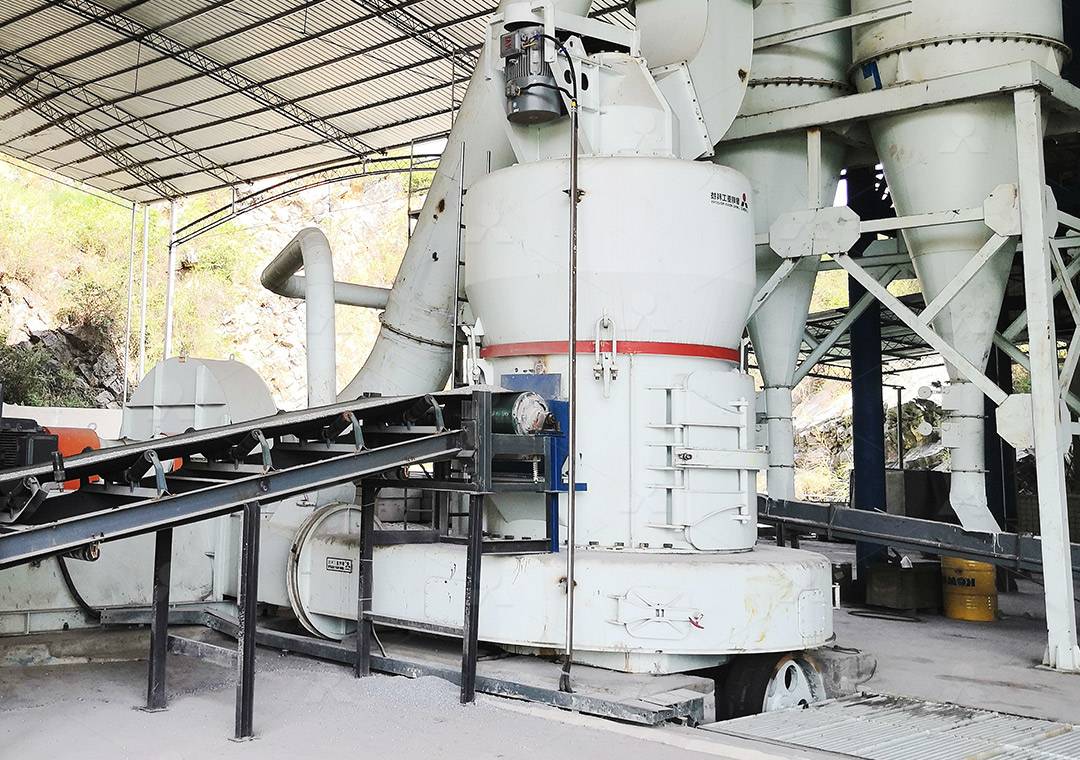
Producing ultra-fine quartz powder requires precision grinding technology. Our MW Ultrafine Grinding Mill is engineered to meet these demands:
- Input Size: 0-20 mm
- Capacity: 0.5-25 tph
- Fineness: Adjustable between 325-2500 meshes (d97≤5μm achievable).
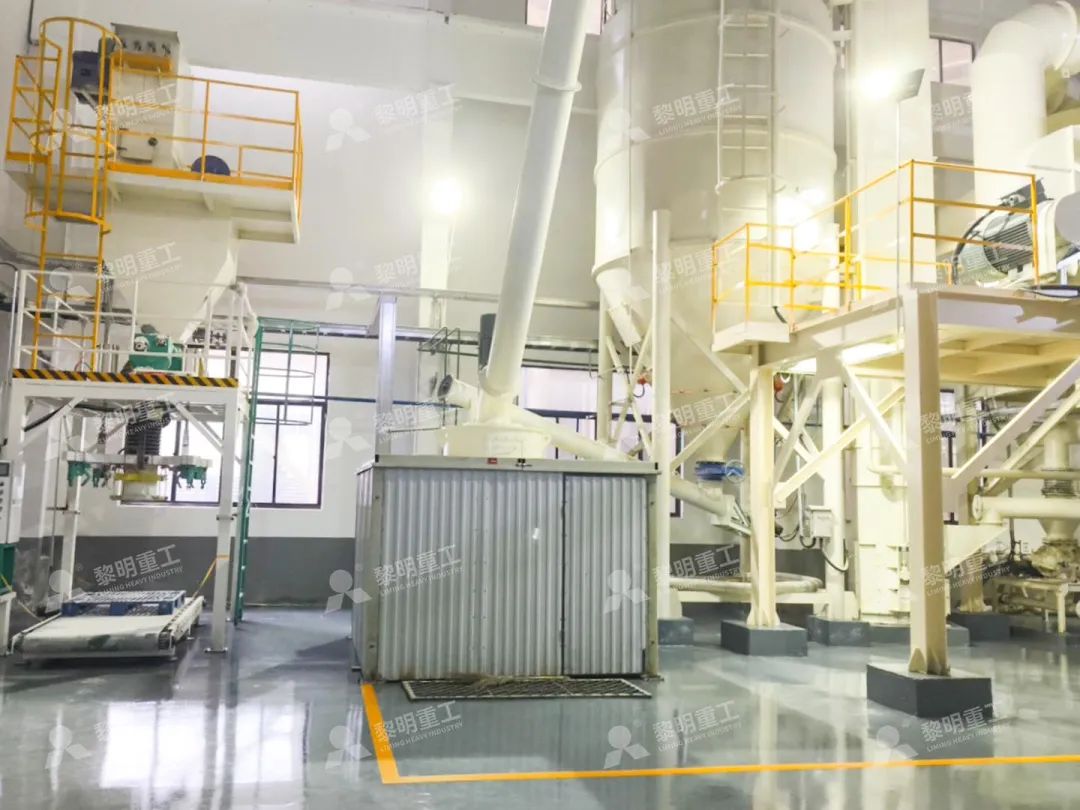
This mill features higher yielding (40% more than jet mills) and lower energy consumption (30% of traditional systems). Its dust-free operation aligns with environmental standards, making it ideal for sensitive applications like optics.
Why Choose Our Technology?
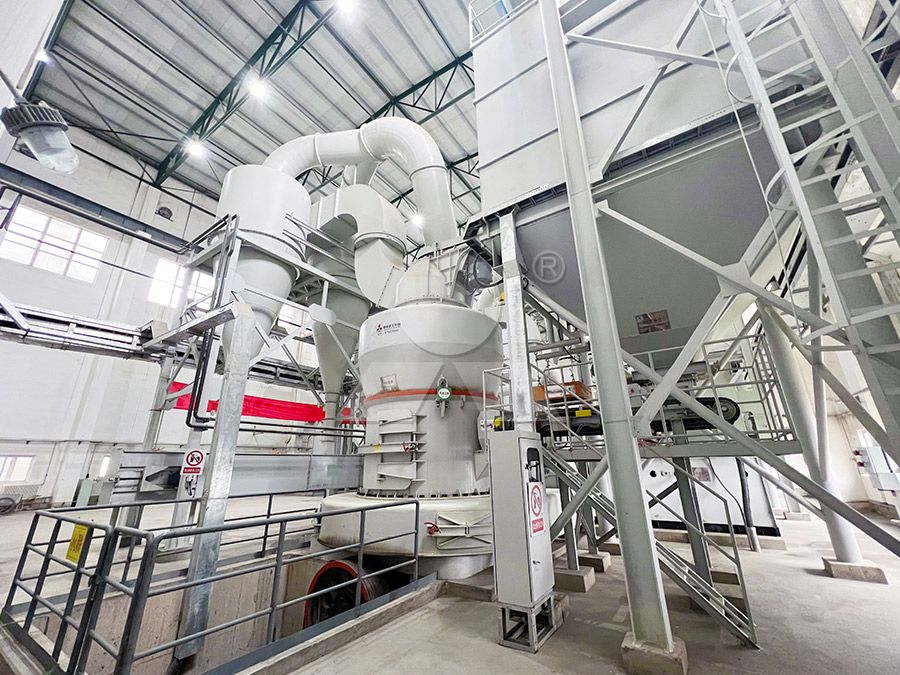
For optical-grade quartz powder, consistency is critical. The LUM Ultrafine Vertical Grinding Mill (0-10 mm input, 5-18 tph capacity) offers:
- Multi-head powder separating technology for precise particle control.
- 30%-50% energy savings compared to conventional mills.
- Reversible structure for easy maintenance.
Both mills employ digitalized processing for high-precision components and come with full technical support.
Conclusion
From lens coatings to laser systems, quartz powder’s versatility is unmatched. Leveraging advanced grinding technologies like the MW and LUM mills ensures optimal performance while maintaining eco-friendly production standards. Contact us to explore how our solutions can elevate your optical instrument manufacturing.