
Different Types of Ball Mill Parts and Their Functions Explained
We provide a wide range of mills — including Raymond mill, trapezoidal mill, vertical mill, ultrafine mill, and ball mill, obtained ISO9001 international quality certification, EU CE certification, and Customs Union CU-TR certification. Suitable for processing minerals such as limestone, phosphate, quicklime, kaolin, talc, barite, bentonite, calcium carbonate, dolomite, coal, gypsum, clay, carbon black, slag, cement raw materials, cement clinker, and more.
The discharge range of these mills can be adjusted to meet specific processing needs, typically from 80-400 mesh, 600-3250 mesh, and can achieve the finest particle size of up to 6000 mesh(D50).
If you are looking for a reliable grinding solution to turn stone or minerals into fine powder, please feel free to contact our online customer service.
Understanding Ball Mill Components
Ball mills are indispensable in mineral processing, cement production, and chemical industries. Their efficiency relies on well-designed parts working harmoniously. Let’s dissect key components and their roles.
1. Grinding Chamber & Liners
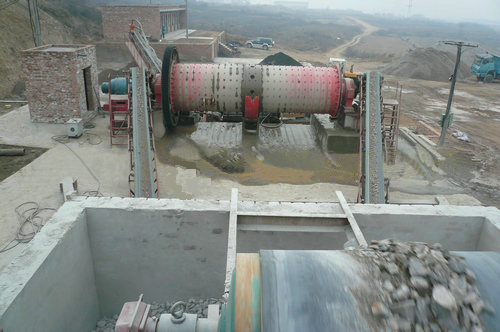
The cylindrical chamber houses grinding media (balls) and material. Wear-resistant liners protect the shell from abrasion while enhancing grinding efficiency through optimized lifting patterns. Our MW Ultrafine Grinding Mill eliminates traditional liners with its unique roller-ring design, reducing maintenance by 60%.
2. Grinding Media
Steel or ceramic balls (typically 25-150mm diameter) create impact and attrition forces. Size distribution directly affects fineness – smaller balls produce finer powder. For ultra-fine applications (325-2500 meshes), our MW series replaces balls with precision rollers and rings.
3. Feeding & Discharge Systems
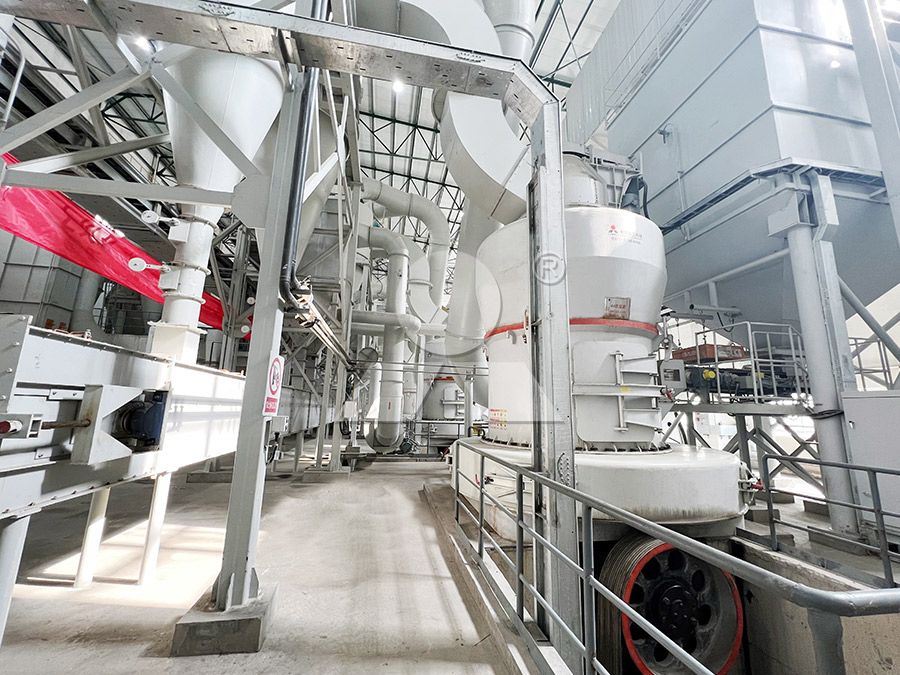
Feed chutes introduce raw materials (0-20mm for MW mills), while discharge grates retain media while allowing powder passage. Advanced models like LUM Ultrafine Vertical Grinding Mill use screw feeders with adjustable rates up to 18tph.
Specialized Ball Mill Variations
| Type | Key Feature | Best For |
|---|---|---|
| Conventional Ball Mill | Horizontal rotating cylinder | General grinding (0.65-50tph) |
| Vertical Roller Mill | 50% energy saving | Slag/coal (5-100tph) |
| Ultrafine Grinding Mill | 325-2500 mesh output | Pharmaceuticals/cosmetics |
Why Choose MW Ultrafine Grinding Mill?
- 40% higher capacity than jet mills at same power
- Dust-free operation with pulse collection system
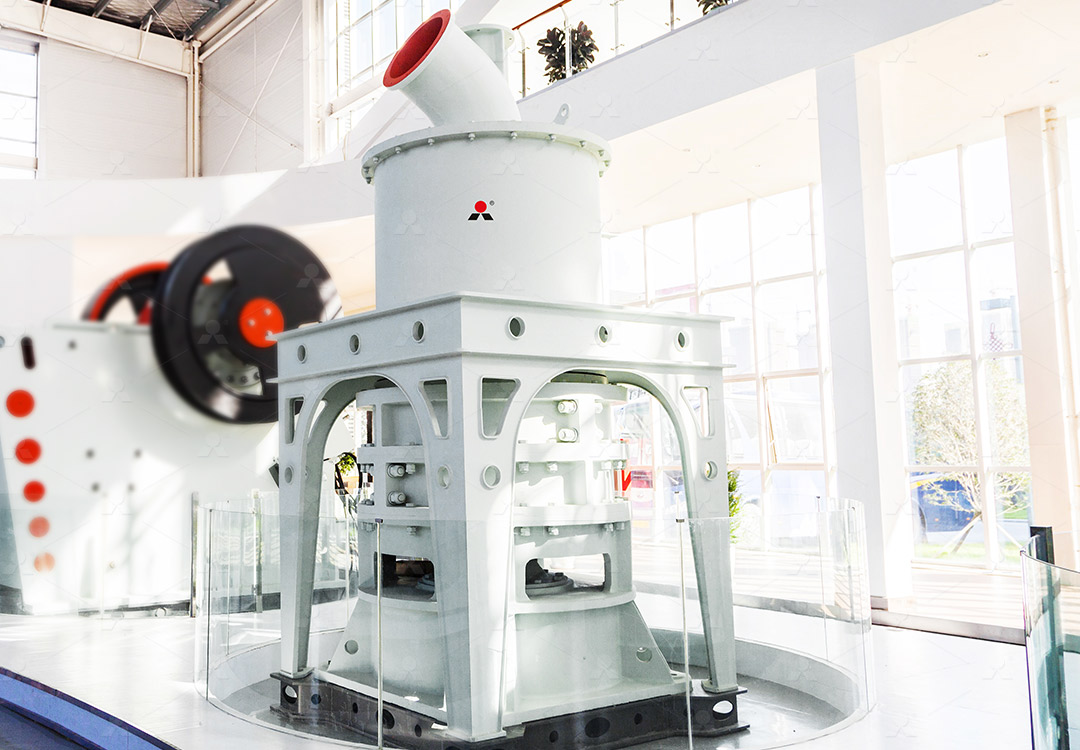
- No rolling bearings in grinding zone (eliminates 80% failures)
Maintenance Considerations
Regular inspection of critical parts prevents downtime:
- Monthly liner thickness checks
- Lubrication system verification (external on MW models)
- Bearing temperature monitoring
Pro Tip: Our LUM Vertical Mill features reversible roller design – worn parts can be flipped for 2x service life.
Future Trends
The industry is shifting toward intelligent grinding systems with:
- AI-powered fineness control
- Remote vibration monitoring
- Automated media replenishment
Both MW and LUM series already incorporate PLC controls for seamless Industry 4.0 integration.