
Key Factors to Consider When Selecting Quartz Powder for High-Quality Refractory Materials
We provide a wide range of mills — including Raymond mill, trapezoidal mill, vertical mill, ultrafine mill, and ball mill, obtained ISO9001 international quality certification, EU CE certification, and Customs Union CU-TR certification. Suitable for processing minerals such as limestone, phosphate, quicklime, kaolin, talc, barite, bentonite, calcium carbonate, dolomite, coal, gypsum, clay, carbon black, slag, cement raw materials, cement clinker, and more.
The discharge range of these mills can be adjusted to meet specific processing needs, typically from 80-400 mesh, 600-3250 mesh, and can achieve the finest particle size of up to 6000 mesh(D50).
If you are looking for a reliable grinding solution to turn stone or minerals into fine powder, please feel free to contact our online customer service.
Introduction
Quartz powder is a critical raw material in the production of high-quality refractory materials. Its purity, particle size distribution, and thermal stability directly impact the performance of refractory products. Selecting the right quartz powder requires careful consideration of several technical and operational factors. This article outlines the key criteria to ensure optimal material performance.
1. Purity and Chemical Composition
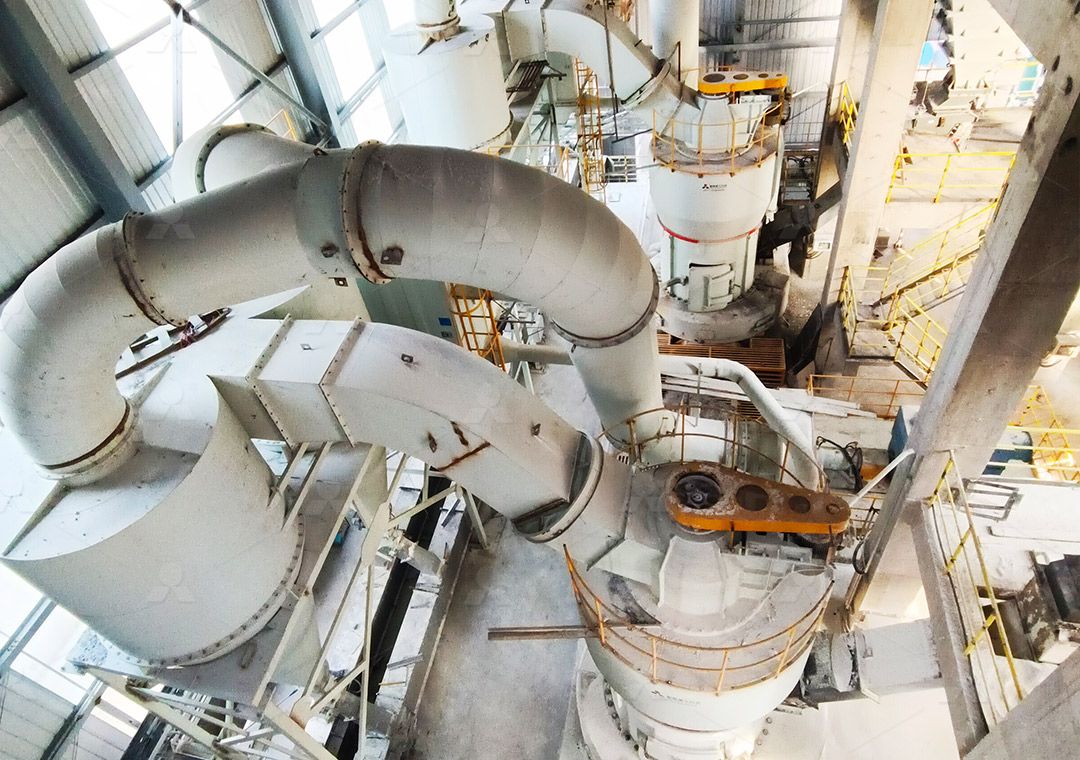
The SiO2 content of quartz powder should exceed 99.5% for refractory applications. Impurities like Fe2O3, Al2O3, and alkali metals can lower the melting point and reduce thermal shock resistance. Our MW Ultrafine Grinding Mill processes high-purity quartz with minimal contamination, achieving SiO2 levels up to 99.8%.
2. Particle Size Distribution
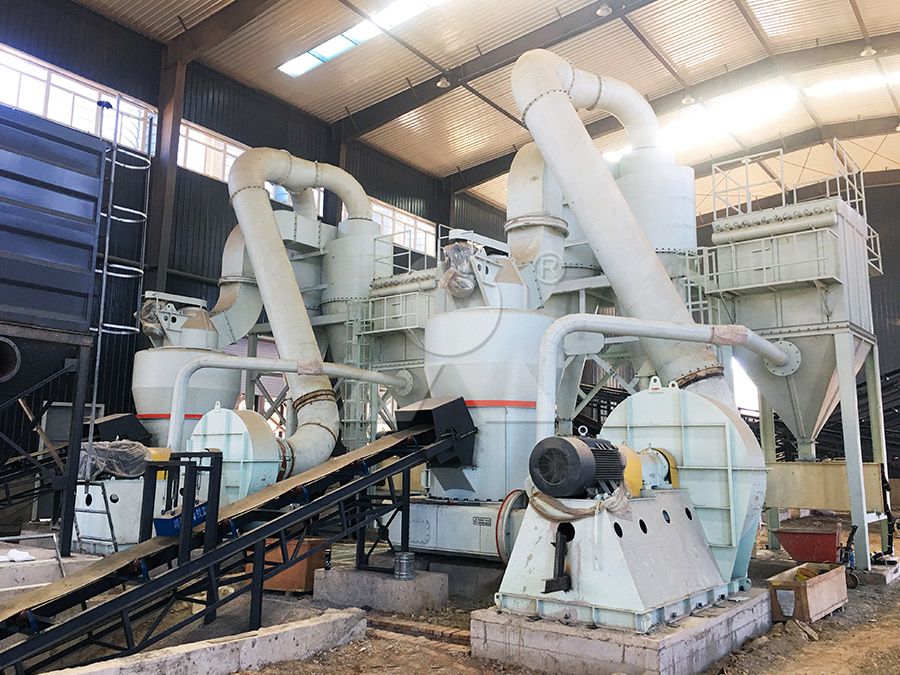
Uniform particle size (typically 325-2500 mesh) ensures proper sintering density. Narrow distribution reduces voids in refractory matrices. The MW Ultrafine Grinding Mill features adjustable fineness (325-2500 meshes) via German cage-type powder selector technology, enabling precise control over particle size.
3. Thermal Stability
Quartz must withstand temperatures above 1600°C without phase transitions. Our grinding mills preserve quartz’s crystalline structure through low-temperature processing, avoiding premature α-β quartz conversion.
4. Processing Equipment Considerations
Key mill features for refractory-grade quartz include:
- Contamination Control: Our MW mill’s “no rolling bearing in chamber” design prevents iron contamination (<0.01%)
- Energy Efficiency: 40% higher yield than jet mills with 30% lower energy consumption
- Environmental Compliance: Integrated pulse dust collector maintains workplace safety
5. Production Consistency
Digitalized processing in our mills ensures batch-to-batch consistency. Numerical control of grinding curves and powder selection achieves ±2% fineness variation.
Recommended Solution
For refractory manufacturers, we recommend our MW Ultrafine Grinding Mill (0.5-25 tph capacity) with:
- D97≤5μm achievable in single pass
- 24h continuous operation capability
- Original spare parts guarantee
Conclusion
Selecting quartz powder requires balancing purity, particle characteristics, and processing methodology. Partnering with equipment providers offering precision grinding technology ensures refractory materials meet demanding industrial specifications.