
PC Series High-Efficiency Crusher and Grinding Mill for Pulverizing Various Ores
We provide a wide range of mills — including Raymond mill, trapezoidal mill, vertical mill, ultrafine mill, and ball mill, obtained ISO9001 international quality certification, EU CE certification, and Customs Union CU-TR certification. Suitable for processing minerals such as limestone, phosphate, quicklime, kaolin, talc, barite, bentonite, calcium carbonate, dolomite, coal, gypsum, clay, carbon black, slag, cement raw materials, cement clinker, and more.
The discharge range of these mills can be adjusted to meet specific processing needs, typically from 80-400 mesh, 600-3250 mesh, and can achieve the finest particle size of up to 6000 mesh(D50).
If you are looking for a reliable grinding solution to turn stone or minerals into fine powder, please feel free to contact our online customer service.
Revolutionizing Mineral Processing: The Next Generation of Grinding Technology
In today’s competitive mining and mineral processing industry, efficiency and precision are paramount. Operations managers and plant engineers constantly seek equipment that can deliver superior particle size reduction while minimizing energy consumption and environmental impact. The evolution of grinding technology has brought us to a pivotal moment where traditional methods are being replaced by more sophisticated, intelligent systems.
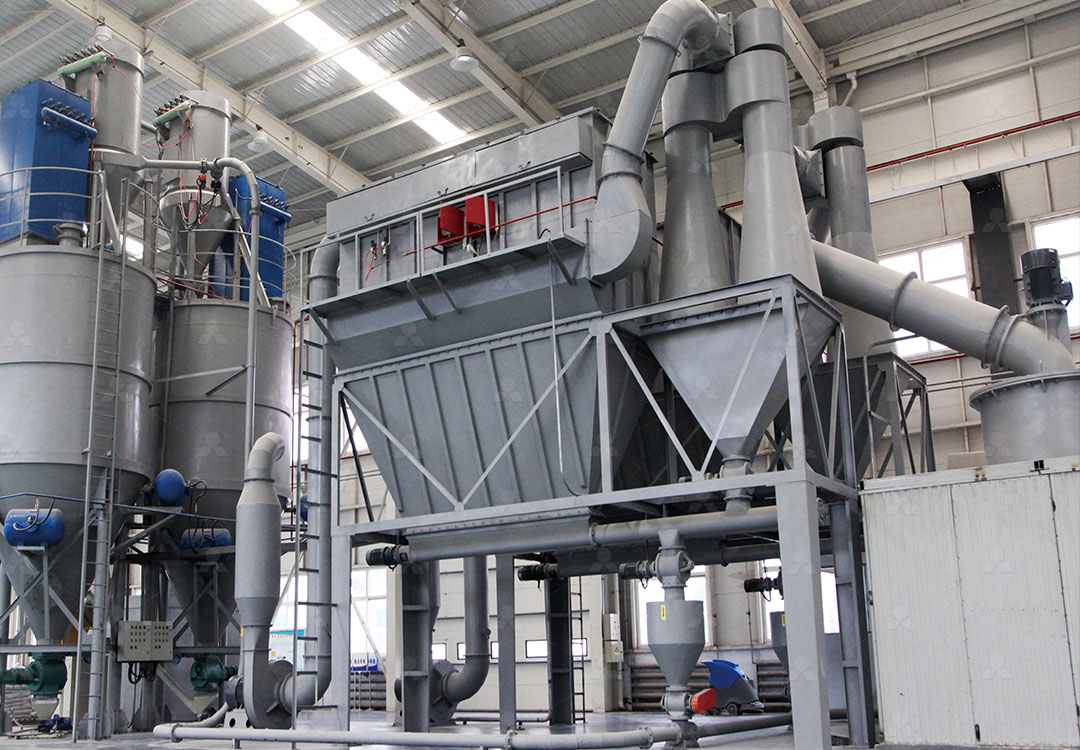
One standout solution that has been gaining significant attention in recent projects is the MW Ultrafine Grinding Mill. This advanced system represents a leap forward in grinding technology, specifically engineered for operations requiring ultra-fine powder production. With an input size capacity of 0-20 mm and throughput ranging from 0.5 to 25 tons per hour, this machine adapts to various production scales while maintaining exceptional performance consistency.
Advanced Engineering for Demanding Applications
The true innovation of modern grinding systems lies in their ability to handle diverse materials with precision. From limestone and calcite to more specialized materials like dolomite, petroleum coal, gypsum, barite, and marble, today’s equipment must demonstrate remarkable versatility. The MW series excels in this regard, serving multiple industries including chemical manufacturing, paints, cosmetics, pharmaceuticals, and food additives.
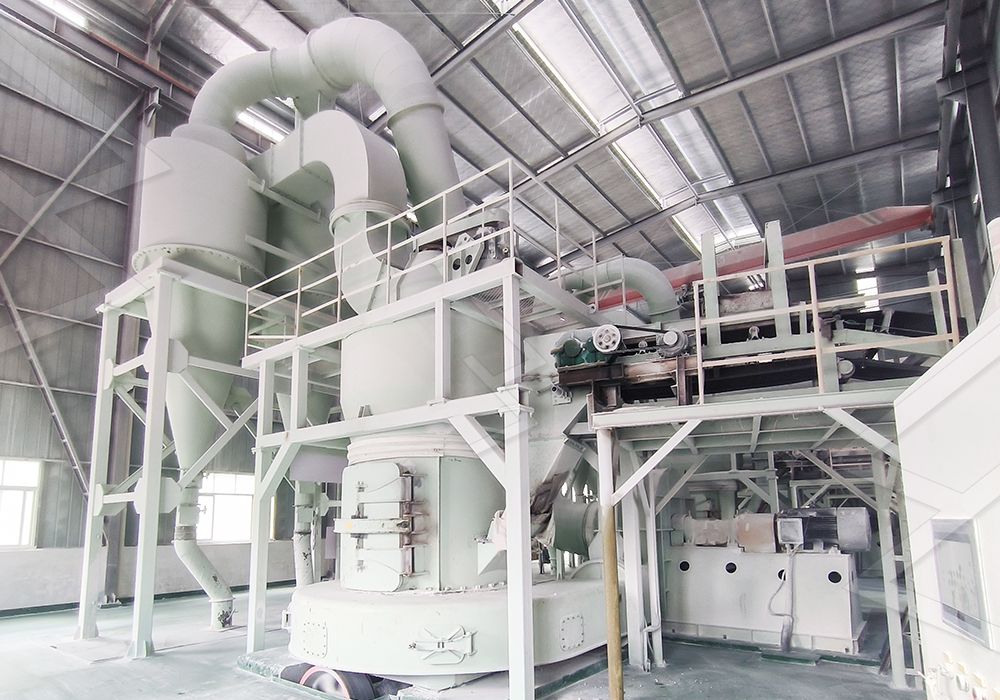
What sets apart the latest generation of grinding mills is their intelligent design approach. The newly engineered grinding curves of the grinding roller and ring assembly in the MW Ultrafine Grinding Mill enhance efficiency significantly. Comparative performance data reveals a 40% higher production capacity than jet grinding mills and stirred grinding mills operating at identical fineness and power levels. Even more impressive is the doubling of output compared to traditional ball grinding mills, while system energy consumption drops to just 30% of what jet grinding mills require.
Precision and Reliability in Operation
The cage-type powder selector, incorporating German technology, elevates separation precision to new heights. Operators can configure multi-head cage-type selectors according to specific production requirements for yield, fineness, and sieving rate. This flexibility allows fineness adjustment between 325-2500 meshes, with screening rates achieving d97≤5μm in a single pass—a remarkable feat in particle size control.
Maintenance considerations have been thoroughly addressed in the design phase. The elimination of rolling bearings and screws within the grinding chamber eliminates concerns about bearing damage or sealing part failures. The external lubrication system enables continuous operation without shutdowns for maintenance, supporting 24-hour production schedules that modern operations demand.
Environmental Responsibility Meets Operational Excellence
Modern mineral processing cannot overlook environmental considerations. The integration of efficient pulse dust collection and advanced muffler systems in the MW Ultrafine Grinding Mill ensures minimal dust pollution and noise reduction throughout the milling process. The entire production system complies with national environmental protection standards, demonstrating that high efficiency and ecological responsibility can coexist.
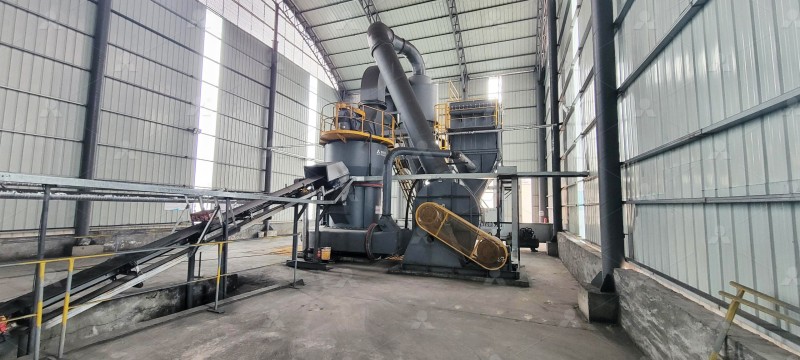
For operations requiring different configurations, the LUM Ultrafine Vertical Grinding Mill presents another sophisticated option. With its input size of 0-10 mm and capacity of 5-18 tph, this system incorporates the latest Taiwanese grinding roller technology and German powder separating technology. Its unique roller shell and lining plate grinding curve design facilitates easier material layer generation and enables high finished product rates through single-pass powder milling.
Frequently Asked Questions
What maintenance advantages does the MW Ultrafine Grinding Mill offer?
The absence of rolling bearings and screws in the grinding chamber eliminates common failure points. The external lubrication system allows for maintenance without production stoppages, significantly reducing downtime.
How does the energy consumption compare to traditional grinding systems?
The MW Ultrafine Grinding Mill consumes only 30% of the energy required by jet grinding mills while delivering 40% higher production capacity than both jet and stirred grinding mills at equivalent fineness levels.
What level of fineness control can operators achieve?
With adjustable fineness between 325-2500 meshes and screening rates achieving d97≤5μm in a single pass, operators have exceptional control over final product specifications.
How does the environmental performance measure up?
The integrated pulse dust collector and noise reduction systems ensure compliance with environmental standards, with no dust pollution during operation and significantly reduced noise levels.
What materials can these grinding systems process?
Both the MW and LUM series handle various ores including limestone, calcite, dolomite, petroleum coal, gypsum, barite, marble, talc, and coal powder, serving industries from chemicals to food additives.