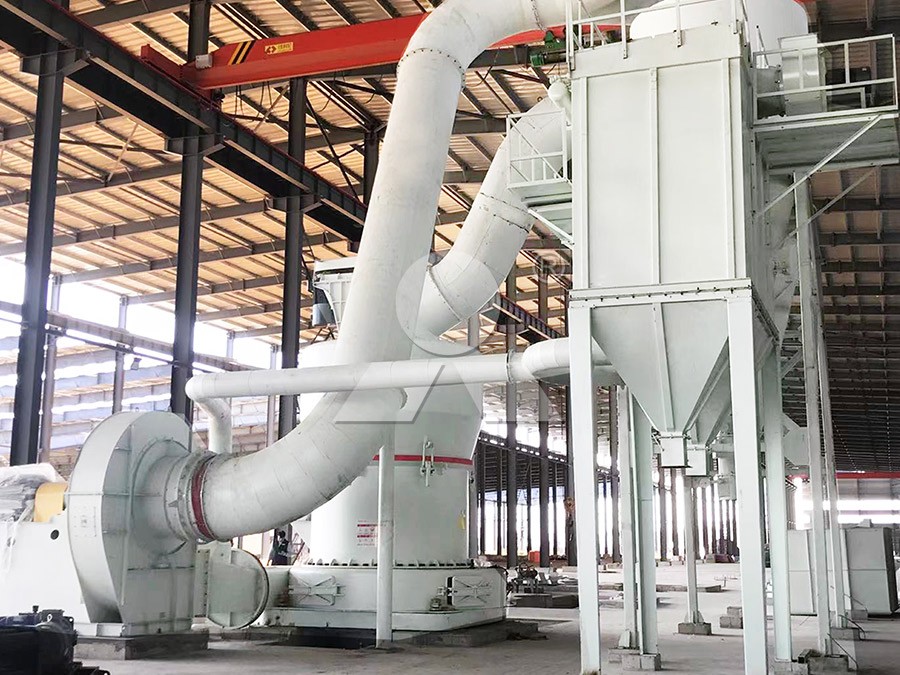
Eco-Friendly Solutions for Phosphate Rock Grinding: Sustainable Powder Production Methods
We provide a wide range of mills — including Raymond mill, trapezoidal mill, vertical mill, ultrafine mill, and ball mill, obtained ISO9001 international quality certification, EU CE certification, and Customs Union CU-TR certification. Suitable for processing minerals such as limestone, phosphate, quicklime, kaolin, talc, barite, bentonite, calcium carbonate, dolomite, coal, gypsum, clay, carbon black, slag, cement raw materials, cement clinker, and more.
The discharge range of these mills can be adjusted to meet specific processing needs, typically from 80-400 mesh, 600-3250 mesh, and can achieve the finest particle size of up to 6000 mesh(D50).
If you are looking for a reliable grinding solution to turn stone or minerals into fine powder, please feel free to contact our online customer service.
Eco-Friendly Solutions for Phosphate Rock Grinding: Sustainable Powder Production Methods
In the mining and mineral processing industry, phosphate rock grinding plays a pivotal role in producing high-quality fertilizers and industrial chemicals. However, traditional grinding methods often come with significant environmental drawbacks, including high energy consumption, dust pollution, and noise emissions. To address these challenges, modern eco-friendly grinding solutions are emerging as game-changers, combining efficiency with sustainability.
The Environmental Challenges of Phosphate Rock Grinding
Phosphate rock, a key raw material for phosphoric acid and fertilizers, requires fine grinding to achieve optimal reactivity. Conventional grinding mills, such as ball mills, often consume excessive energy and generate substantial waste heat. Additionally, dust emissions from these processes can harm both workers and the surrounding environment. To mitigate these issues, the industry is shifting toward advanced grinding technologies that prioritize energy efficiency and low environmental impact.
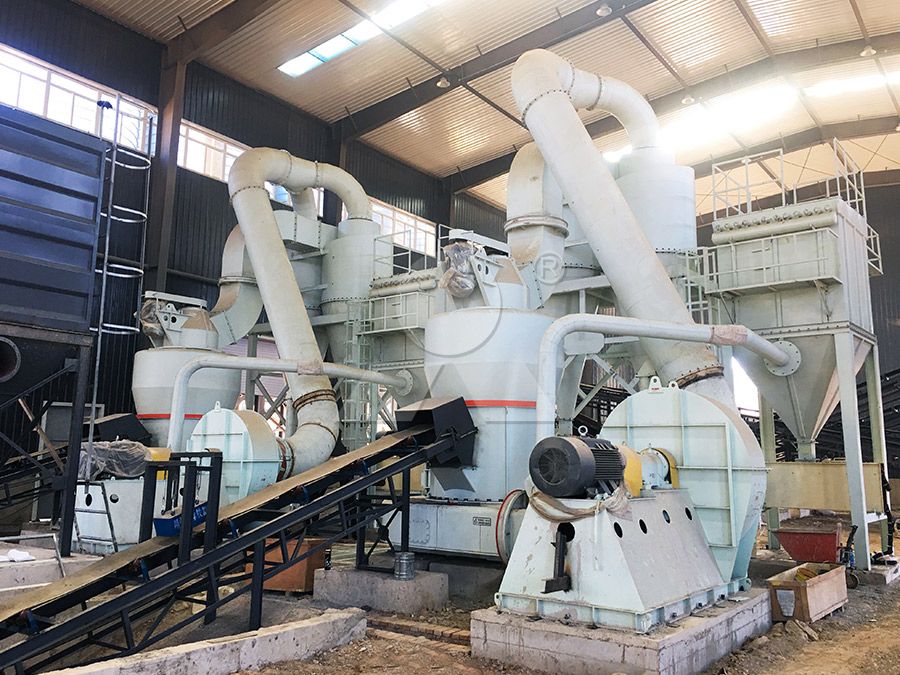
Introducing the MW Ultrafine Grinding Mill
One standout solution for sustainable phosphate rock grinding is the MW Ultrafine Grinding Mill. Designed for ultra-fine powder production, this mill integrates cutting-edge features to minimize environmental impact while maximizing output. Key benefits include:
- Higher Yielding, Lower Energy Consumption: With optimized grinding curves, the MW mill achieves 40% higher capacity than jet mills and consumes only 30% of the energy.
- Adjustable Fineness (325-2500 meshes): The cage-type powder selector ensures precise particle size control, ideal for phosphate applications.
- Dust-Free Operation: Equipped with a pulse dust collector and muffler, the mill operates without dust pollution, aligning with strict environmental standards.
For operations seeking a balance between performance and sustainability, the MW Ultrafine Grinding Mill is a compelling choice.
LUM Ultrafine Vertical Grinding Mill: Another Sustainable Option
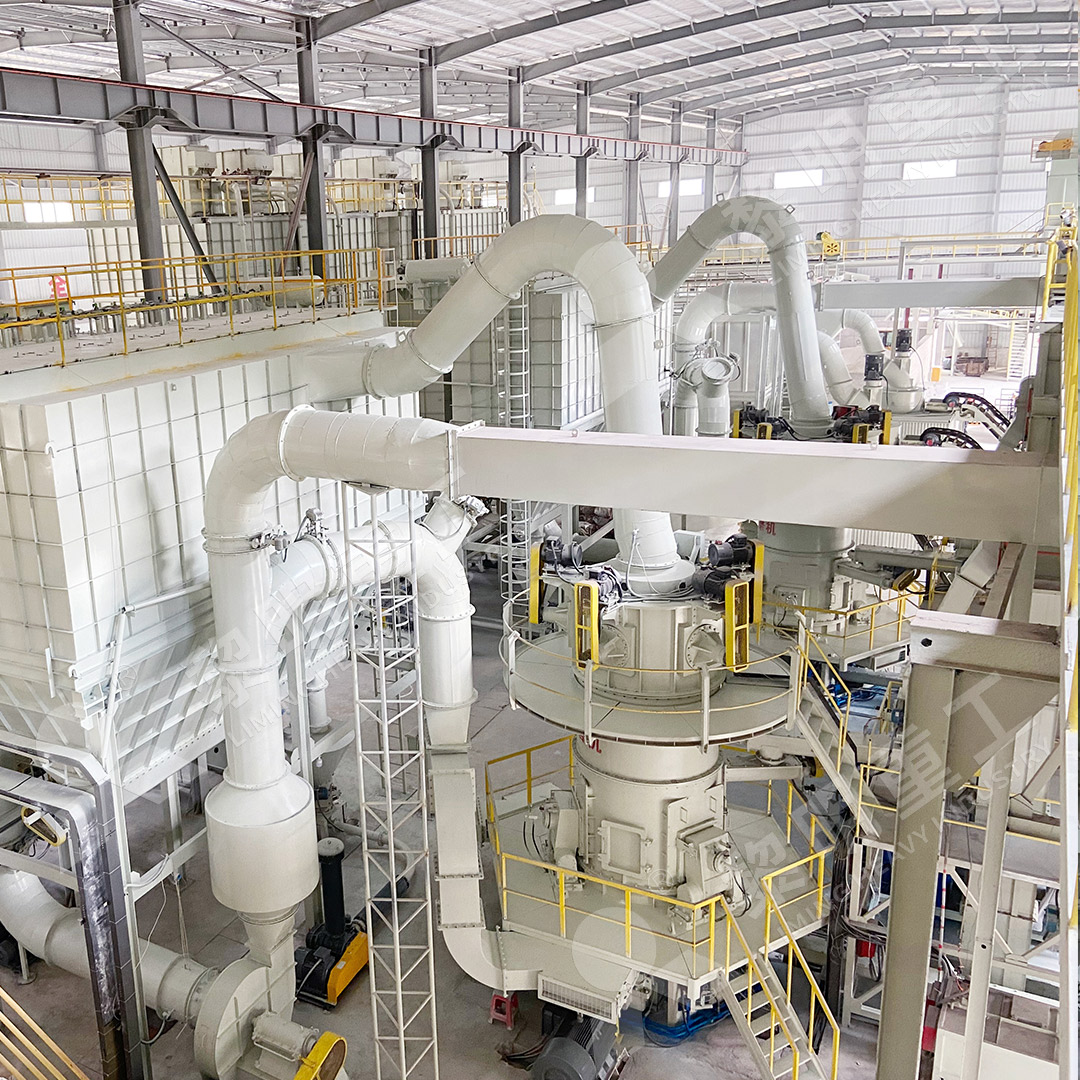
Another innovative solution is the LUM Ultrafine Vertical Grinding Mill, which combines German powder-separating technology with energy-saving features. Its advantages include:
- 30%-50% Energy Reduction: The multi-head powder separator and PLC control system optimize energy use.
- Stable Operation: Electronic and mechanical limiting technologies prevent destructive vibrations.
- Easy Maintenance: A reversible structure allows quick access to grinding rollers, reducing downtime.
Why Choose Eco-Friendly Grinding Mills?
Beyond regulatory compliance, sustainable grinding technologies offer tangible benefits:
- Lower Operating Costs: Reduced energy and maintenance expenses improve profitability.
- Enhanced Product Quality: Consistent fineness and purity meet high industry standards.
- Positive Brand Image: Eco-conscious practices resonate with stakeholders and customers.
As the demand for sustainable mineral processing grows, mills like the MW and LUM series are setting new benchmarks for efficiency and environmental responsibility.
Conclusion
The transition to eco-friendly phosphate rock grinding is no longer optional—it’s a necessity. By adopting advanced mills such as the MW Ultrafine Grinding Mill and LUM Ultrafine Vertical Grinding Mill, industries can achieve superior powder production while minimizing their ecological footprint. These technologies represent the future of sustainable mineral processing, where performance and planet-friendly practices go hand in hand.