
How to Calculate Critical Speed of Ball Mill in China Dashan Industrial Applications
We provide a wide range of mills — including Raymond mill, trapezoidal mill, vertical mill, ultrafine mill, and ball mill, obtained ISO9001 international quality certification, EU CE certification, and Customs Union CU-TR certification. Suitable for processing minerals such as limestone, phosphate, quicklime, kaolin, talc, barite, bentonite, calcium carbonate, dolomite, coal, gypsum, clay, carbon black, slag, cement raw materials, cement clinker, and more.
The discharge range of these mills can be adjusted to meet specific processing needs, typically from 80-400 mesh, 600-3250 mesh, and can achieve the finest particle size of up to 6000 mesh(D50).
If you are looking for a reliable grinding solution to turn stone or minerals into fine powder, please feel free to contact our online customer service.
Understanding Critical Speed in Ball Mills
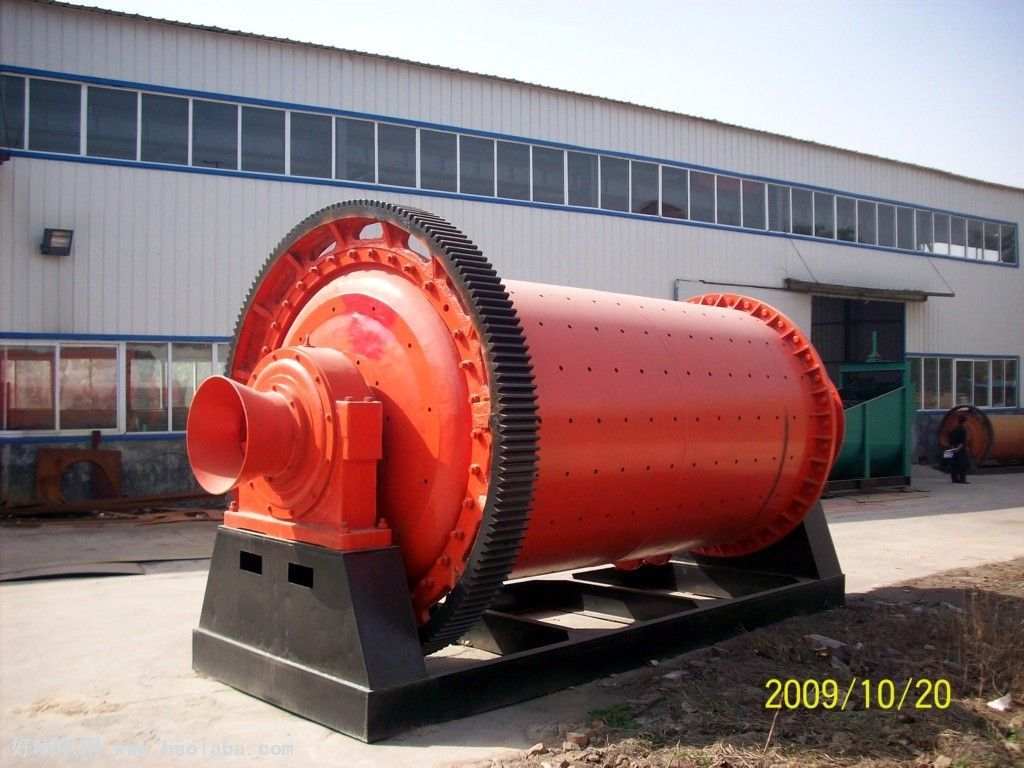
In industrial grinding applications, the critical speed of a ball mill is the rotational velocity at which grinding media (e.g., steel balls) begin to centrifuge against the mill’s inner wall instead of cascading for optimal grinding. Calculating this speed ensures efficient operation and prevents equipment damage. The formula for critical speed (Nc) is:
Nc = 42.3 / √D
Where D is the internal diameter of the mill in meters. For example, a 2m-diameter mill has a critical speed of ~30 RPM.
Factors Affecting Critical Speed
- Mill Liner Design: Worn liners reduce effective diameter, altering calculations.
- Media Density: Heavier alloys may require adjustments.
- Operating Conditions: Wet vs. dry grinding impacts centrifugal forces.
Dashan Industrial Solutions
While ball mills remain widely used, modern alternatives like our MW Ultrafine Grinding Mill offer superior efficiency with adjustable fineness (325-2500 meshes) and 40% higher capacity than traditional ball mills. Key advantages include:
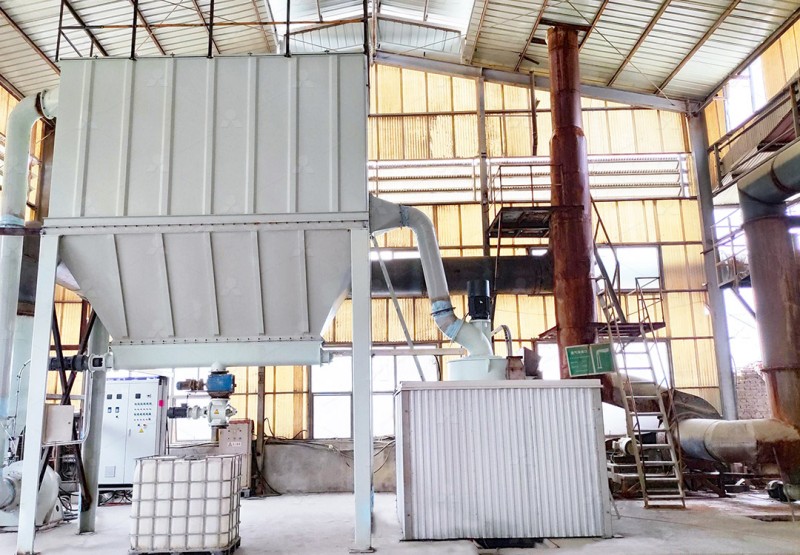
- No rolling bearings in grinding chamber, eliminating lubrication failures
- Pulse dust collector for eco-friendly operation (d97≤5μm filtration)
- 30% lower energy consumption vs. jet mills
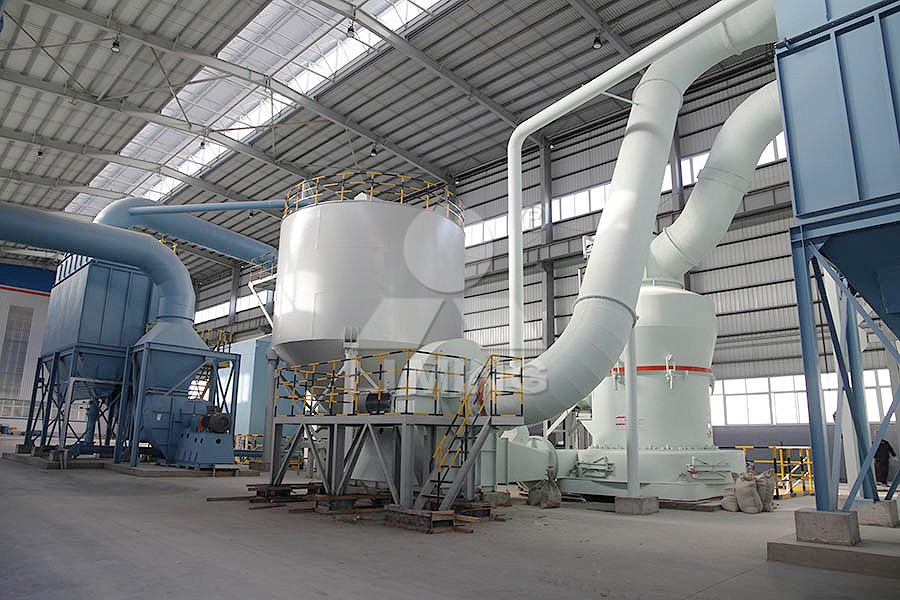
For larger-scale projects, our LUM Ultrafine Vertical Grinding Mill (5-18 tph capacity) features German powder-separating technology and hydraulic roller systems for stable 24/7 operation.
Practical Application Example
A cement plant replaced two 3m ball mills (critical speed ~24.4 RPM) with one LUM mill, achieving:
| Metric | Improvement |
|---|---|
| Energy Use | ↓45% |
| Floor Space | ↓60% |
| Maintenance Cost | ↓70% |
Conclusion
While critical speed calculations remain essential for ball mill operations, upgrading to advanced grinding systems like Dashan’s MW or LUM mills can significantly boost productivity while reducing operational complexities. Contact our engineers for customized solutions matching your material specifications.