
Key Factors to Consider Before Buying a Limestone Grinding Mill
We provide a wide range of mills — including Raymond mill, trapezoidal mill, vertical mill, ultrafine mill, and ball mill, obtained ISO9001 international quality certification, EU CE certification, and Customs Union CU-TR certification. Suitable for processing minerals such as limestone, phosphate, quicklime, kaolin, talc, barite, bentonite, calcium carbonate, dolomite, coal, gypsum, clay, carbon black, slag, cement raw materials, cement clinker, and more.
The discharge range of these mills can be adjusted to meet specific processing needs, typically from 80-400 mesh, 600-3250 mesh, and can achieve the finest particle size of up to 6000 mesh(D50).
If you are looking for a reliable grinding solution to turn stone or minerals into fine powder, please feel free to contact our online customer service.
Navigating the Complex World of Limestone Grinding Solutions
Selecting the right limestone grinding mill isn’t merely a purchasing decision—it’s a strategic investment that can significantly impact your operational efficiency, product quality, and bottom line. As someone who’s spent years in mineral processing operations, I’ve witnessed firsthand how the right equipment choice can transform a struggling operation into a profitable enterprise.
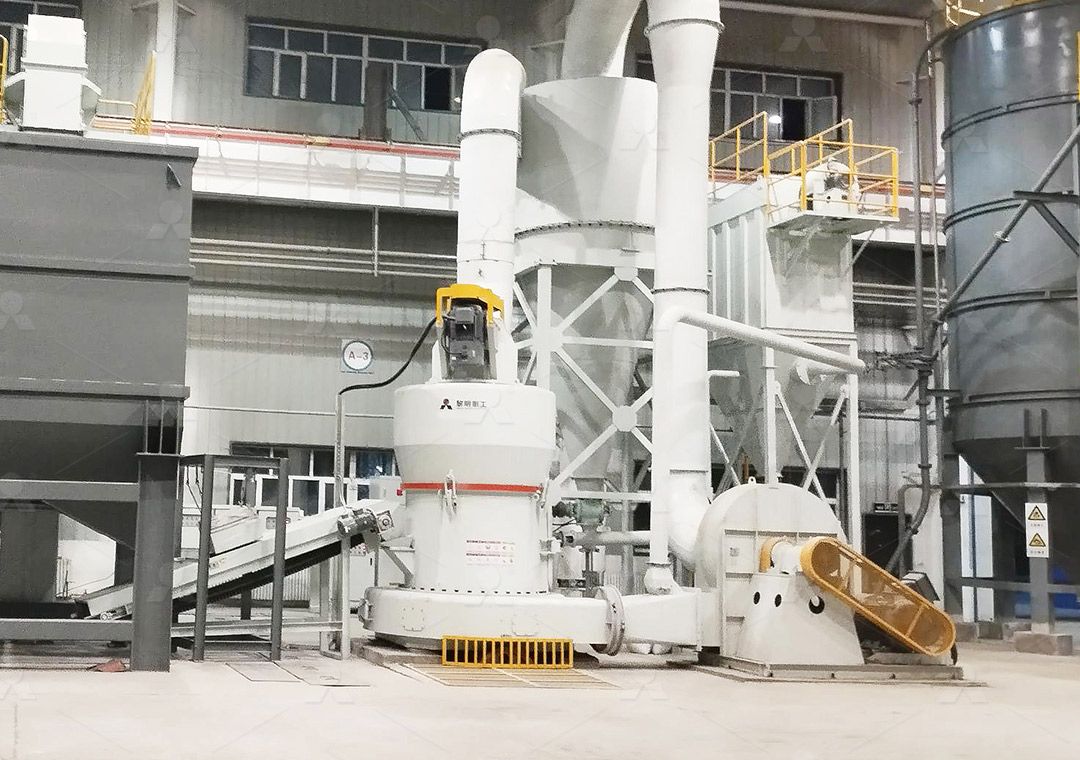
Production Requirements: The Foundation of Your Decision
Before even looking at equipment specifications, you need to clearly define your production needs. What’s your target throughput? Are you processing 5 tons per hour or 50? What fineness do your customers require—325 mesh for basic applications or 2500 mesh for specialized industries?
I recall consulting with a paint manufacturer who initially purchased an undersized mill, only to face constant bottlenecks. After switching to properly sized equipment, their production doubled while energy consumption dropped by 30%. The lesson? Don’t just consider your current needs—anticipate future growth.
Energy Efficiency: The Silent Profit Killer
Energy consumption represents one of the largest operational costs in grinding operations. Traditional ball mills can consume up to 40% more energy than modern vertical mills. When evaluating equipment, look beyond the purchase price and calculate the total cost of ownership.
Our MW Ultrafine Grinding Mill exemplifies this approach to efficiency. With its newly designed grinding curves and advanced powder selection technology, it achieves 40% higher production capacity compared to jet mills while reducing system energy consumption to just 30% of traditional systems. The adjustable fineness between 325-2500 meshes makes it incredibly versatile for various limestone applications.
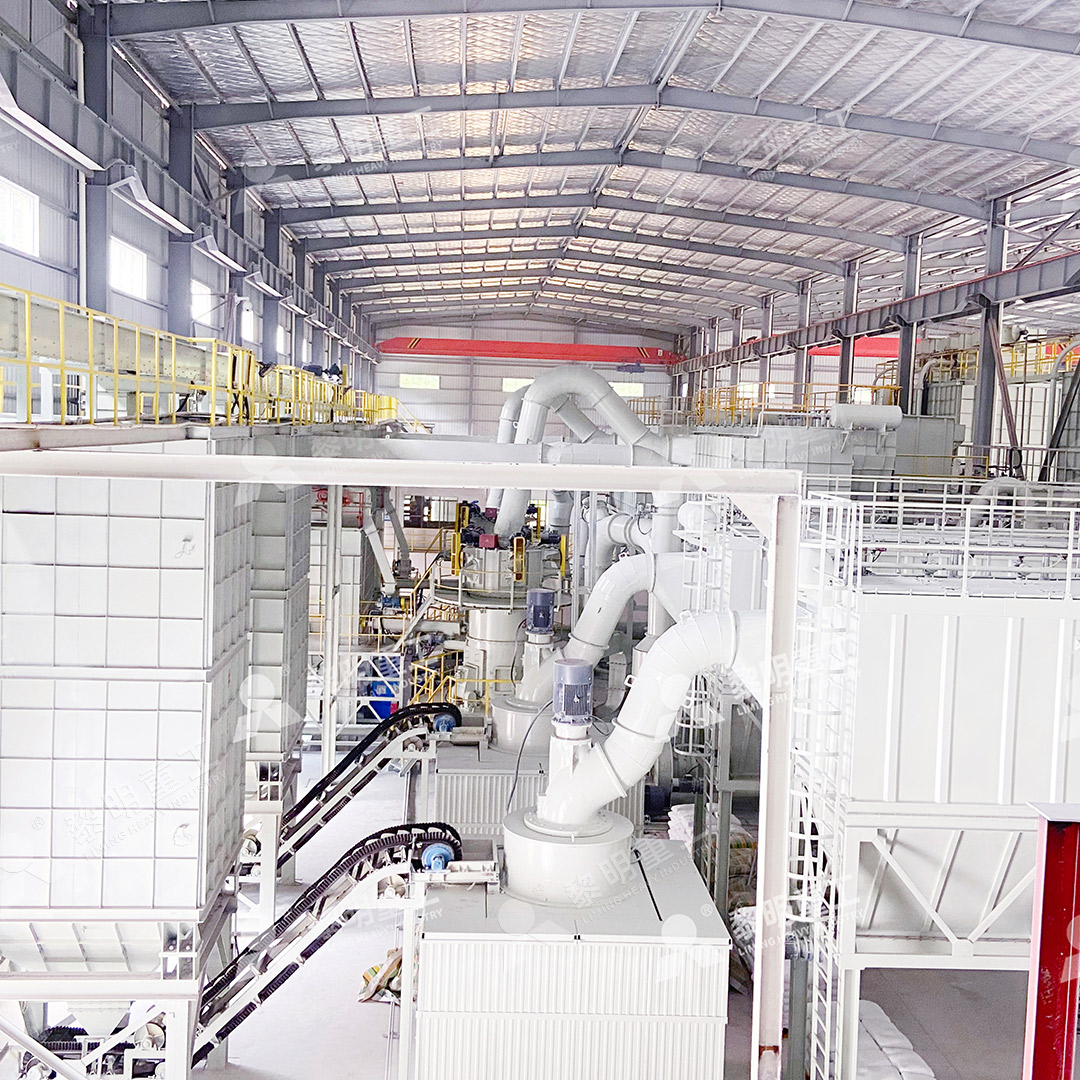
Environmental Compliance and Workplace Safety
Modern grinding operations can’t ignore environmental regulations and worker safety. Dust control isn’t just about compliance—it’s about protecting your workforce and maintaining community relations. Look for mills with integrated dust collection systems and noise reduction features.
The LUM Ultrafine Vertical Grinding Mill addresses these concerns comprehensively. Its double position-limiting technology prevents destructive impacts during operation, while the reversible structure simplifies maintenance. The integrated PLC control system allows precise parameter adjustments, ensuring consistent product quality while minimizing environmental impact.
Maintenance Accessibility and Operational Continuity
Downtime costs money. When evaluating grinding mills, consider how easily you can access components for maintenance and how quickly you can replace wear parts. Some designs require complete disassembly for routine maintenance, while others offer more accessible configurations.
I’ve seen operations lose thousands in production during week-long maintenance shutdowns. That’s why we’ve designed our MW Ultrafine Grinding Mill without rolling bearings or screws in the grinding chamber, eliminating common failure points. The external lubrication system enables maintenance without shutdown, supporting continuous 24-hour operation.
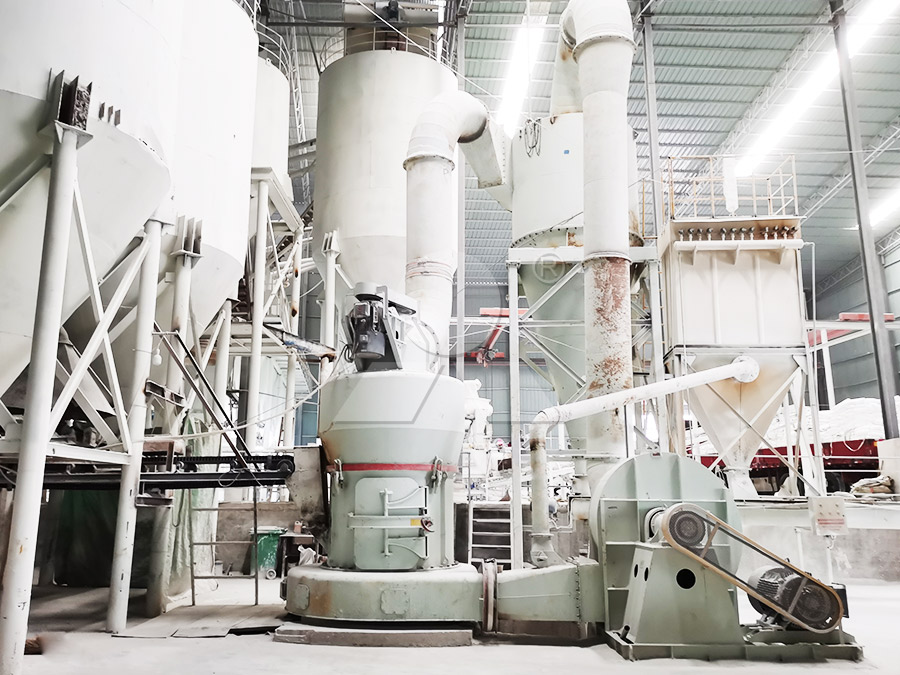
Final Considerations and Recommendations
Beyond the technical specifications, consider the manufacturer’s reputation, spare parts availability, and technical support. A marginally cheaper machine from an unknown supplier might cost you more in the long run through unreliable performance and poor support.
Based on our experience serving hundreds of limestone processors, we typically recommend starting with a thorough analysis of your specific requirements. For ultra-fine applications requiring precise control, the MW Series often provides the optimal balance of performance and efficiency. For operations prioritizing vertical space utilization and advanced automation, the LUM Series offers compelling advantages.
Frequently Asked Questions
Q: What’s the typical lifespan of these grinding mills?
A: With proper maintenance, our grinding mills typically operate for 15-20 years. The MW Series specifically features wear-resistant components that extend service life significantly.
Q: How difficult is it to adjust product fineness?
A: Modern mills like our MW Series feature advanced cage-type powder selectors that allow fineness adjustment between 325-2500 meshes with simple control adjustments, typically taking less than 30 minutes.
Q: What about spare parts availability?
A: We maintain comprehensive spare parts inventories and provide original components to ensure worry-free operation. Our global distribution network means critical parts typically ship within 24-48 hours.
Q: Can these mills handle materials other than limestone?
A: Absolutely. Our mills process various non-metallic minerals including calcite, dolomite, barite, and talc. The MW Series particularly excels with materials requiring ultra-fine grinding for applications in chemicals, paints, and cosmetics.
Q: What kind of technical support do you provide?
A: We offer complete installation guidance, operator training, and ongoing technical support. Our engineers are available to troubleshoot and optimize your grinding process remotely or on-site.