
Key Factors for Choosing a Powder Mill Manufacturer for Your Processing Plant in Indonesia
We provide a wide range of mills — including Raymond mill, trapezoidal mill, vertical mill, ultrafine mill, and ball mill, obtained ISO9001 international quality certification, EU CE certification, and Customs Union CU-TR certification. Suitable for processing minerals such as limestone, phosphate, quicklime, kaolin, talc, barite, bentonite, calcium carbonate, dolomite, coal, gypsum, clay, carbon black, slag, cement raw materials, cement clinker, and more.
The discharge range of these mills can be adjusted to meet specific processing needs, typically from 80-400 mesh, 600-3250 mesh, and can achieve the finest particle size of up to 6000 mesh(D50).
If you are looking for a reliable grinding solution to turn stone or minerals into fine powder, please feel free to contact our online customer service.
Key Factors for Choosing a Powder Mill Manufacturer for Your Processing Plant in Indonesia
Establishing or upgrading a mineral processing plant in Indonesia’s diverse industrial landscape requires careful consideration of equipment selection. The choice of powder mill manufacturer can significantly impact your operational efficiency, product quality, and long-term profitability. With numerous options available, understanding the critical factors in this decision-making process is essential for plant managers and procurement specialists.
Technical Specifications and Performance Metrics
The foundation of any wise equipment investment begins with technical compatibility. For Indonesian operations processing materials like limestone, calcite, or dolomite, the mill’s input size capacity and throughput must align with your raw material characteristics and production targets. Consider not only the immediate requirements but also potential future scaling needs.
Energy efficiency represents a particularly crucial consideration in Indonesia, where power costs and environmental regulations are increasingly important. Advanced grinding technologies can reduce energy consumption by 30-50% compared to conventional systems, delivering substantial operational savings over the equipment lifespan.
Environmental Compliance and Operational Safety
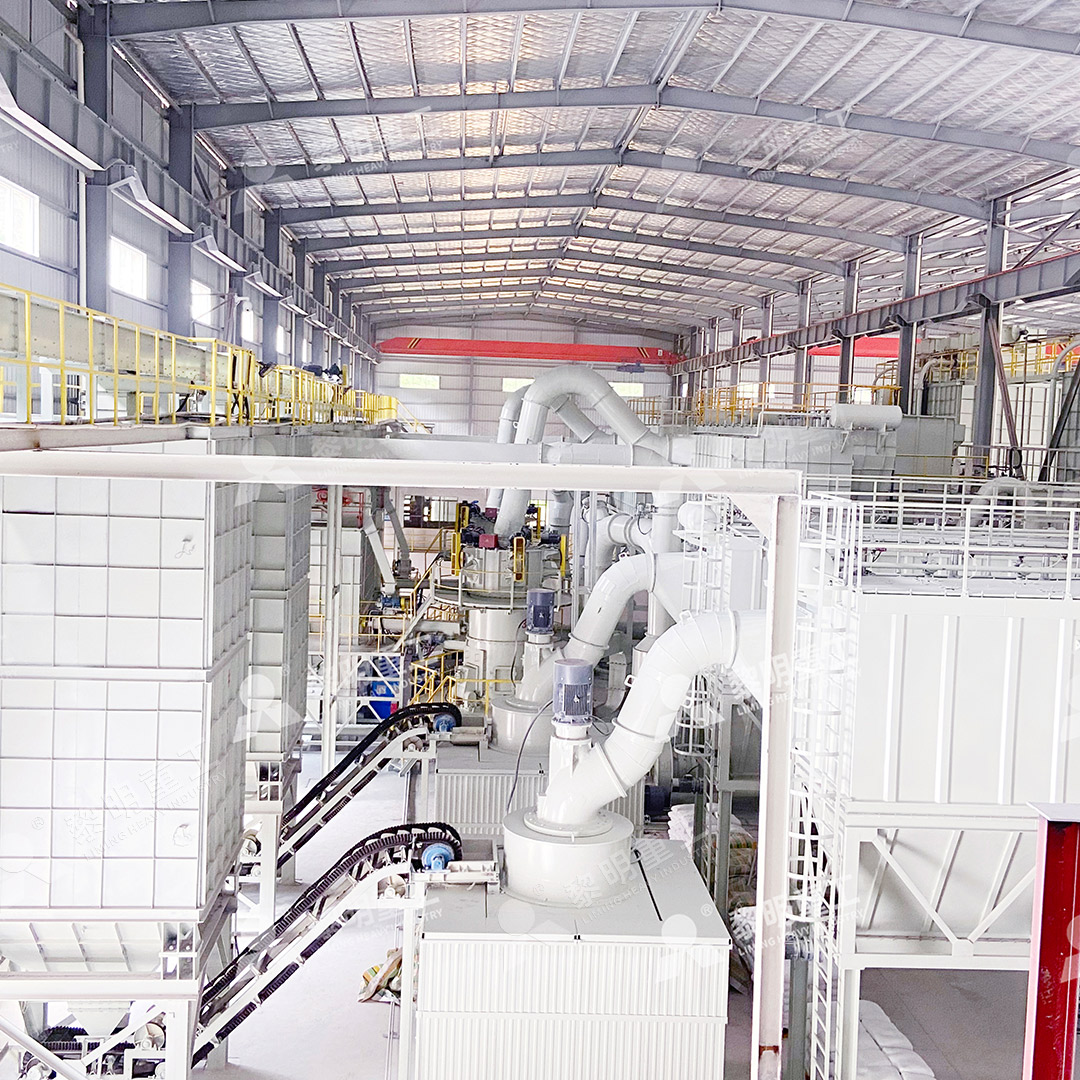
Indonesian environmental standards continue to evolve, making emissions control and noise reduction critical factors in equipment selection. Modern mills should incorporate efficient dust collection systems and noise suppression technologies to maintain compliance and ensure worker safety.
From my experience consulting with processing plants across Sumatra and Java, operations that prioritize environmental compatibility from the equipment selection phase experience fewer regulatory challenges and maintain better community relations.
After-Sales Support and Local Service Availability
The geographical spread of Indonesian mining and processing operations makes reliable after-sales support non-negotiable. When evaluating manufacturers, investigate their service network within Indonesia, spare parts availability, and technical support responsiveness. A manufacturer with established local presence can dramatically reduce downtime when maintenance issues arise.
I’ve witnessed operations lose weeks of production waiting for international parts shipments, while competitors with local supplier relationships maintained continuous operation. This factor becomes particularly important for remote operations in Kalimantan or Papua.
Product Spotlight: MW Ultrafine Grinding Mill
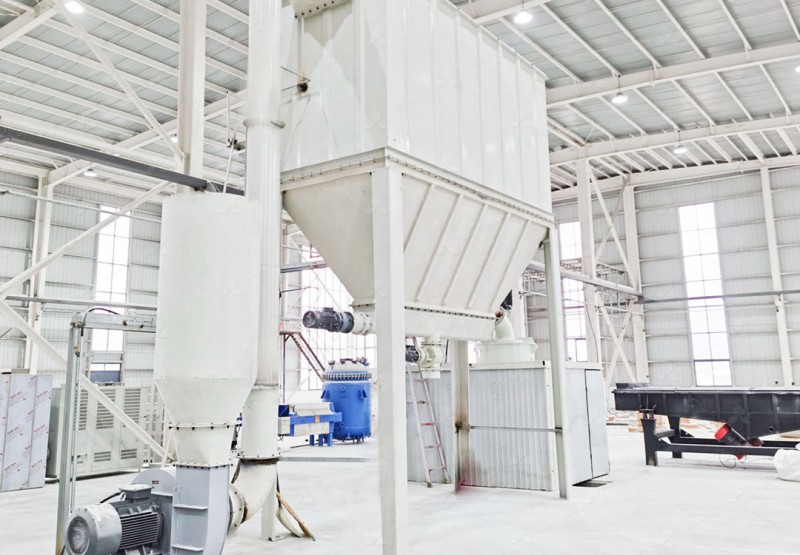
For operations requiring high-precision powder production, the MW Ultrafine Grinding Mill presents an excellent solution for Indonesian processors. With an input size capacity of 0-20 mm and throughput ranging from 0.5 to 25 tph, this system accommodates most medium-scale processing requirements.
The MW series stands out for its remarkable energy efficiency – consuming approximately 30% of the energy required by jet grinding mills while delivering 40% higher production capacity. For Indonesian operations facing rising energy costs, this efficiency translates directly to improved margins.
Adaptability to Local Conditions
Indonesia’s tropical climate, with high humidity and temperature variations, can affect equipment performance and maintenance schedules. Manufacturers who understand these local conditions design their equipment accordingly, with enhanced corrosion protection, improved cooling systems, and components resistant to humidity-related degradation.
When reviewing equipment options, inquire specifically about adaptations for tropical operations. The MW Ultrafine Grinding Mill incorporates several relevant features, including external lubrication systems that allow maintenance without shutdown – a significant advantage in high-humidity environments where frequent maintenance might otherwise be necessary.
Future-Proofing Your Investment
Beyond immediate operational needs, consider how well the equipment can adapt to changing market demands. The ability to adjust product fineness between 325-2500 meshes, as offered by the MW series with its German-designed cage-type powder selector, provides valuable flexibility as product specifications evolve.
Digital integration capabilities are another forward-looking consideration. Modern grinding mills with PLC controls and remote monitoring options allow for more sophisticated production management and predictive maintenance, reducing unexpected downtime.
Frequently Asked Questions
What is the typical lead time for mill delivery to Indonesian operations?
Delivery timelines vary by manufacturer and equipment complexity, but reputable suppliers typically quote 8-16 weeks for major grinding equipment, including customs clearance and domestic transportation within Indonesia.
How significant are energy savings with modern grinding mills?
Substantial. Advanced systems like the MW Ultrafine Grinding Mill can reduce energy consumption by 30-50% compared to conventional mills, which typically translates to 15-25% lower operating costs in Indonesian energy markets.
What local certifications or standards should equipment meet?
Beyond international standards, look for SNI (Standar Nasional Indonesia) certification where applicable, and ensure electrical components meet Indonesian PUIL standards. Reputable manufacturers will have experience navigating these local requirements.
How does humidity affect mill operation and maintenance?
High humidity can accelerate component corrosion and affect material flow characteristics. Equipment designed for tropical conditions, like the MW series with its sealed grinding chamber and external lubrication, significantly mitigates these issues.
What training is typically provided for operational staff?
Quality manufacturers provide comprehensive operator and maintenance training, either on-site or at regional facilities. For Indonesian operations, look for providers offering training in Bahasa Indonesia or with proven experience working with local teams.