
Second Hand Trapezium Grinding Mill: Price, Performance & Buying Guide
We provide a wide range of mills — including Raymond mill, trapezoidal mill, vertical mill, ultrafine mill, and ball mill, obtained ISO9001 international quality certification, EU CE certification, and Customs Union CU-TR certification. Suitable for processing minerals such as limestone, phosphate, quicklime, kaolin, talc, barite, bentonite, calcium carbonate, dolomite, coal, gypsum, clay, carbon black, slag, cement raw materials, cement clinker, and more.
The discharge range of these mills can be adjusted to meet specific processing needs, typically from 80-400 mesh, 600-3250 mesh, and can achieve the finest particle size of up to 6000 mesh(D50).
If you are looking for a reliable grinding solution to turn stone or minerals into fine powder, please feel free to contact our online customer service.
Second Hand Trapezium Grinding Mill: Price, Performance & Buying Guide
When considering a second-hand trapezium grinding mill for your powder processing needs, several critical factors demand careful evaluation. The trapezium mill market offers various models with distinct capabilities, and understanding their performance characteristics, maintenance history, and total cost of ownership is essential for making an informed decision.
Performance Considerations for Used Equipment
Before purchasing pre-owned grinding equipment, thoroughly assess its operational capabilities. Key performance metrics include grinding efficiency, energy consumption, and output quality consistency. Older trapezium mills might lack modern efficiency features, potentially leading to higher operational costs over time. Examine the mill’s maintenance records, checking for consistent performance data and any history of major repairs.
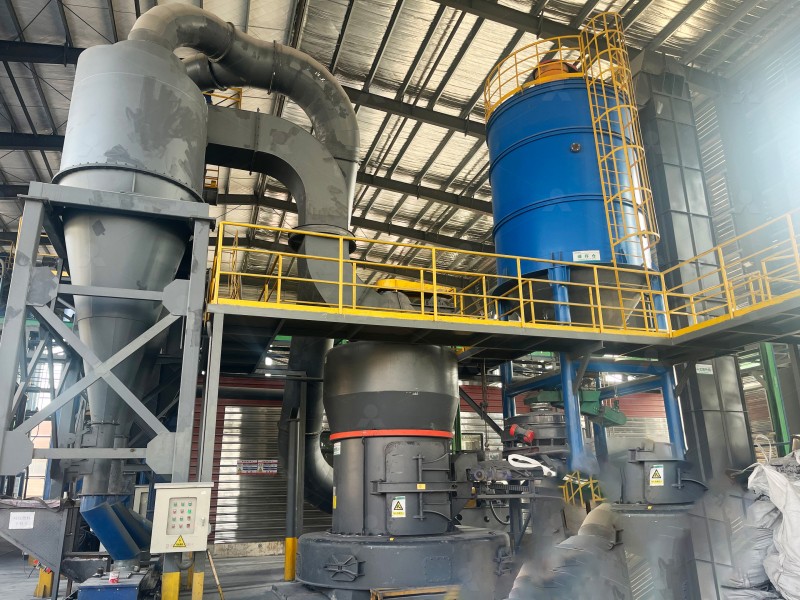
When evaluating used equipment, pay particular attention to wear parts like grinding rollers and rings. These components significantly impact final product quality and replacement costs. Request documentation showing previous maintenance schedules and part replacements to gauge future expenditure requirements.
New Generation Alternatives
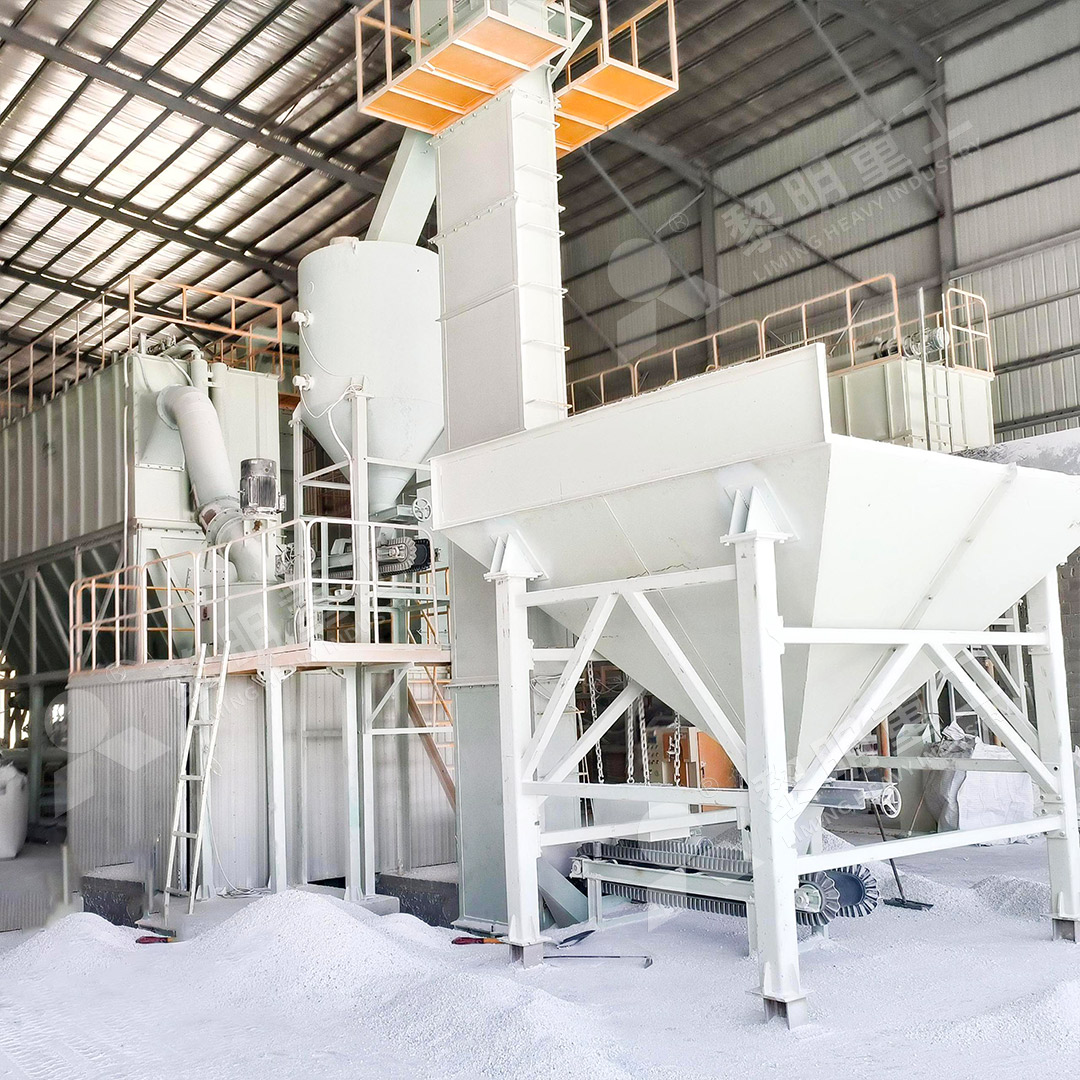
While second-hand equipment might seem cost-effective initially, newer models often provide superior value through advanced technology and efficiency. For operations requiring consistent ultra-fine powder production, consider the MW Ultrafine Grinding Mill as a modern alternative. This equipment processes materials with input sizes of 0-20 mm at capacities ranging from 0.5-25 tph, producing powders between 325-2500 meshes with exceptional precision.
The MW series incorporates German cage-type powder selector technology, achieving screening rates of d97≤5μm in a single pass. Its innovative design eliminates rolling bearings and screws within the grinding chamber, significantly reducing maintenance concerns and potential downtime. The integrated pulse dust collector and muffler system ensures environmentally compliant operation with minimal noise pollution.
Critical Inspection Points for Used Mills
When examining second-hand trapezium mills, focus on these essential components:
- Grinding roller and ring wear patterns
- Gear transmission system condition
- Powder separator efficiency
- Electrical system integrity
- Dust collection performance
Request demonstration runs with your specific materials to verify performance claims. Compare the results against manufacturer specifications for new equipment to determine if the potential savings justify any performance compromises.
Economic Analysis: Used vs. New Equipment
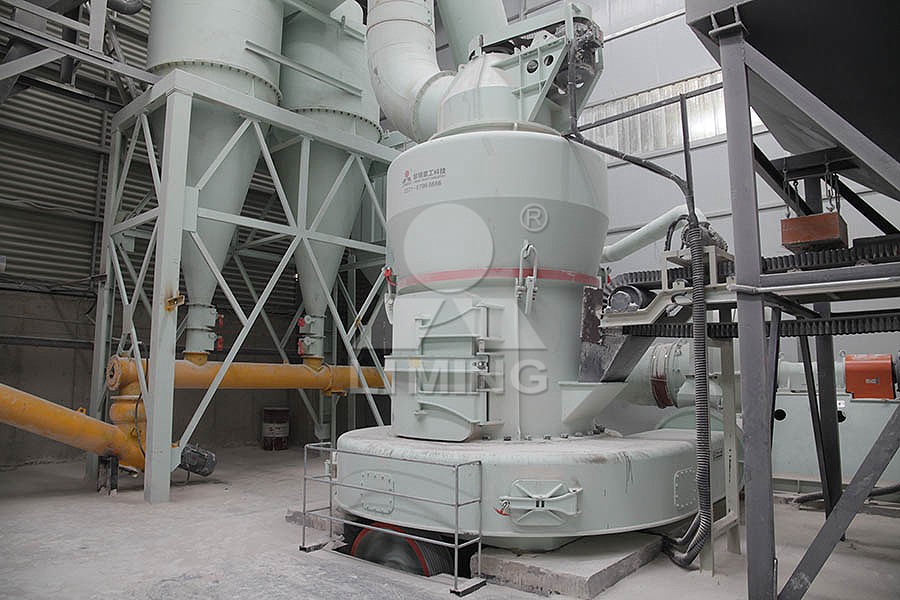
The apparent cost advantage of second-hand machinery must be weighed against several factors: potential downtime, repair expenses, energy efficiency, and production quality consistency. Newer models like the MTW-Z European Trapezium Mill offer technological advancements that often translate to lower operating costs despite higher initial investment.
The MTW-Z series features diluted oil lubrication systems that reduce maintenance frequency and costs. Its elastic volute damping structure enhances operational stability, while the advanced cage-type powder concentrator delivers higher efficiency with lower energy consumption compared to older designs.
Calculate total cost of ownership over your expected equipment lifespan, factoring in energy consumption, maintenance, potential production losses from downtime, and final product market value. This comprehensive analysis often reveals that modern equipment provides better long-term value.
Frequently Asked Questions
What are the main risks when purchasing a second-hand trapezium mill?
Primary risks include hidden mechanical wear, outdated technology leading to higher operating costs, unavailable spare parts, and insufficient documentation for proper maintenance. Always conduct thorough inspections and request complete service histories.
How does the MW Ultrafine Grinding Mill compare to older trapezium designs?
The MW series offers 40% higher production capacity than jet mills with equivalent fineness and power consumption. Its innovative chamber design eliminates internal bearings and screws, reducing failure points. The German powder selector technology ensures precise particle size distribution.
What materials can modern trapezium mills process effectively?
Contemporary mills handle diverse materials including limestone, calcite, dolomite, petroleum coal, gypsum, barite, marble, talc, and various industrial powders for chemical, paint, cosmetic, pharmaceutical, and food additive applications.
How important is after-sales support for grinding mill operations?
Comprehensive technical support and genuine spare parts availability are crucial for minimizing downtime. Manufacturers like LIMING provide complete after-sales services, ensuring worry-free operation through original parts and expert maintenance guidance.
What environmental advantages do newer grinding mills offer?
Modern designs incorporate efficient pulse dust collectors and noise reduction technologies, operating within strict environmental standards. Fully sealed systems prevent material leakage, while advanced filtration ensures clean emissions.