
Industrial Mill Grinding Media: 91 Mg Dir and Boards Specification in Indonesia
We provide a wide range of mills — including Raymond mill, trapezoidal mill, vertical mill, ultrafine mill, and ball mill, obtained ISO9001 international quality certification, EU CE certification, and Customs Union CU-TR certification. Suitable for processing minerals such as limestone, phosphate, quicklime, kaolin, talc, barite, bentonite, calcium carbonate, dolomite, coal, gypsum, clay, carbon black, slag, cement raw materials, cement clinker, and more.
The discharge range of these mills can be adjusted to meet specific processing needs, typically from 80-400 mesh, 600-3250 mesh, and can achieve the finest particle size of up to 6000 mesh(D50).
If you are looking for a reliable grinding solution to turn stone or minerals into fine powder, please feel free to contact our online customer service.
Industrial Mill Grinding Media: 91 Mg Dir and Boards Specification in Indonesia
The Indonesian industrial sector continues to demonstrate robust growth, particularly in mining, construction materials, and chemical processing. With this expansion comes increased demand for efficient grinding solutions that can handle diverse materials while meeting strict environmental and operational standards. Understanding the specific requirements for grinding media and board specifications is crucial for optimizing production processes.
Indonesian industries processing limestone, calcite, dolomite, petroleum coal, gypsum, barite, marble, talc, and various chemical compounds require grinding equipment that delivers consistent particle size distribution while minimizing energy consumption. The 91 Mg Dir specification represents a comprehensive framework for industrial grinding operations, emphasizing efficiency, environmental compliance, and operational reliability.
Key Considerations for Indonesian Grinding Operations
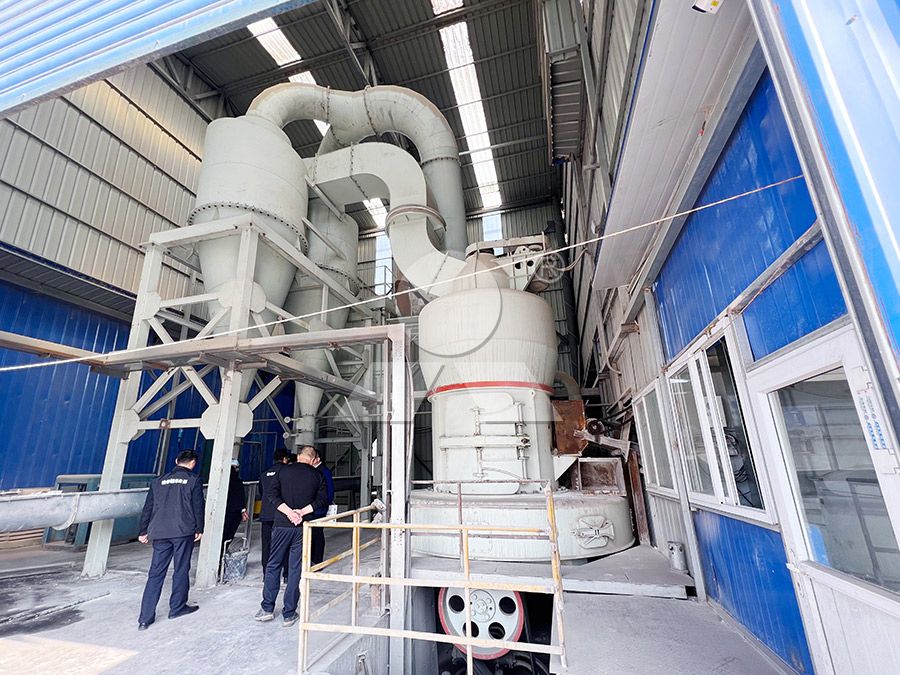
When selecting grinding equipment for Indonesian applications, several factors must be considered. The tropical climate, material moisture content, and regulatory environment all influence equipment performance. Additionally, the need for reliable spare parts supply and technical support is paramount, given Indonesia’s geographical challenges.
For operations requiring ultra-fine powder production with input sizes up to 20mm and capacities ranging from 0.5 to 25 tons per hour, the MW Ultrafine Grinding Mill presents an optimal solution. This equipment features higher yielding capacity with 40% greater production output compared to jet grinding mills and twice the capacity of ball grinding mills, while consuming only 30% of the energy of jet grinding systems.
Advanced Grinding Technology for Diverse Applications
The Indonesian market demands versatility in grinding applications. From construction materials to chemical additives, equipment must adapt to various material characteristics while maintaining consistent output quality. The ability to adjust fineness between 325-2500 meshes with screening rates achieving d97≤5μm in a single pass is particularly valuable for operations processing multiple material types.
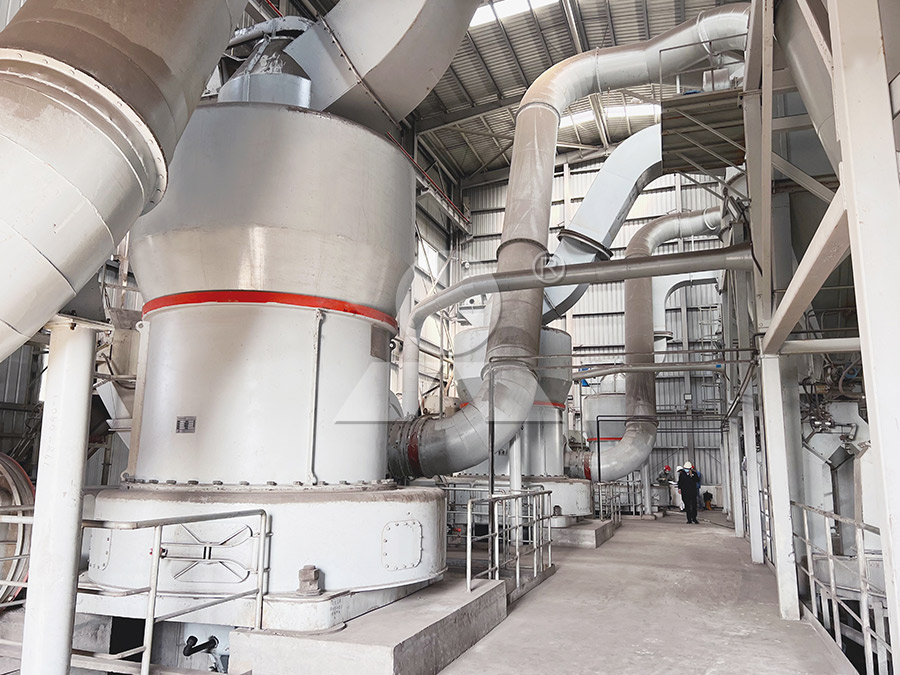
Another exceptional solution for Indonesian operations is the LUM Ultrafine Vertical Grinding Mill, which handles input sizes up to 10mm with capacities of 5-18 tph. This mill integrates advanced grinding roller technology with German powder separating capabilities, making it ideal for superfine dry powder production of non-metal ores. Its reversible structure simplifies maintenance—a significant advantage in remote Indonesian locations.
Environmental Compliance and Operational Efficiency
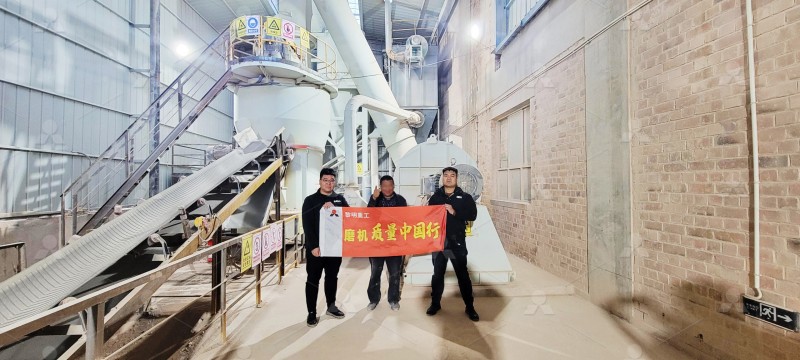
Indonesian environmental regulations continue to evolve, requiring industrial operations to minimize dust emissions and noise pollution. Modern grinding solutions address these concerns through integrated pulse dust collectors and muffler systems that ensure compliance with national standards. The absence of rolling bearings and screws in the grinding chamber of advanced mills further enhances reliability while reducing maintenance requirements.
Digitalized processing with numerical control machining ensures high precision in core components, while comprehensive spare parts support guarantees uninterrupted operation. These features are particularly valuable in Indonesia, where equipment downtime can significantly impact production schedules and profitability.
Frequently Asked Questions
What grinding fineness can be achieved with modern industrial mills?
Advanced grinding mills can achieve fineness between 325-2500 meshes, with some models capable of producing powders with screening rates of d97≤5μm in a single pass.
How does Indonesian climate affect grinding equipment selection?
The tropical climate requires equipment with enhanced corrosion resistance, effective drying capabilities, and robust construction to handle high humidity conditions while maintaining performance.
What maintenance advantages do modern grinding mills offer?
Contemporary designs feature external lubrication systems allowing maintenance without shutdown, reversible structures for easy component access, and simplified roller replacement procedures.
How significant are energy savings with newer grinding technologies?
Advanced grinding mills can reduce energy consumption by 30-50% compared to traditional systems while increasing production capacity by 40-100%, delivering substantial operational cost savings.
What environmental features should Indonesian operations prioritize?
Integrated pulse dust collectors, noise reduction systems, and closed-circuit operations that prevent material spillage are essential for compliance with Indonesia’s environmental standards.