
How Does a Rotary Separator Work in a Coal Pulverizer Mill System?
We provide a wide range of mills — including Raymond mill, trapezoidal mill, vertical mill, ultrafine mill, and ball mill, obtained ISO9001 international quality certification, EU CE certification, and Customs Union CU-TR certification. Suitable for processing minerals such as limestone, phosphate, quicklime, kaolin, talc, barite, bentonite, calcium carbonate, dolomite, coal, gypsum, clay, carbon black, slag, cement raw materials, cement clinker, and more.
The discharge range of these mills can be adjusted to meet specific processing needs, typically from 80-400 mesh, 600-3250 mesh, and can achieve the finest particle size of up to 6000 mesh(D50).
If you are looking for a reliable grinding solution to turn stone or minerals into fine powder, please feel free to contact our online customer service.
How Does a Rotary Separator Work in a Coal Pulverizer Mill System?
In coal-fired power plants and industrial processing facilities, the efficient pulverization of coal is critical for optimal combustion and energy production. At the heart of this process lies the coal pulverizer mill system, where the rotary separator plays a pivotal role in determining final product quality and system efficiency.
The Critical Role of Particle Size Classification
Coal pulverization isn’t just about reducing coal to powder—it’s about achieving the right particle size distribution for complete combustion. The rotary separator, often called a classifier or powder selector, serves as the quality control gatekeeper within the pulverizer system. Its primary function is to ensure that only properly sized coal particles exit the mill while oversized particles are returned for further grinding.
Mechanical Operation Principles
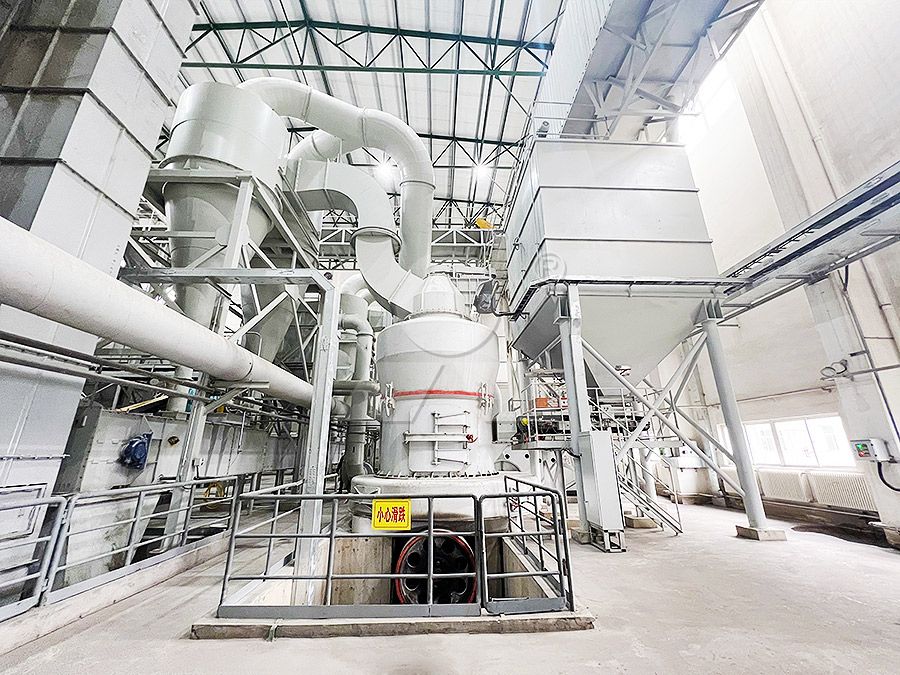
A rotary separator typically consists of a rotating cage-like structure with multiple vanes or blades arranged in a cylindrical configuration. As the coal-air mixture enters the separator chamber, centrifugal force and aerodynamic drag work in opposition to separate particles by size and mass.
The rotating vanes create a vortex within the separator. Heavier, coarser particles experience greater centrifugal force, throwing them toward the outer walls where they fall back into the grinding zone for further processing. Meanwhile, finer, lighter particles remain suspended in the air stream and pass through the selector vanes to become final product.
Advanced Separation Technologies
Modern separators have evolved significantly from basic mechanical designs. Our engineering team has developed sophisticated multi-head cage-type powder selectors that incorporate German separation technologies. These advanced systems provide exceptional precision in particle size control, allowing operators to fine-tune product specifications with remarkable accuracy.
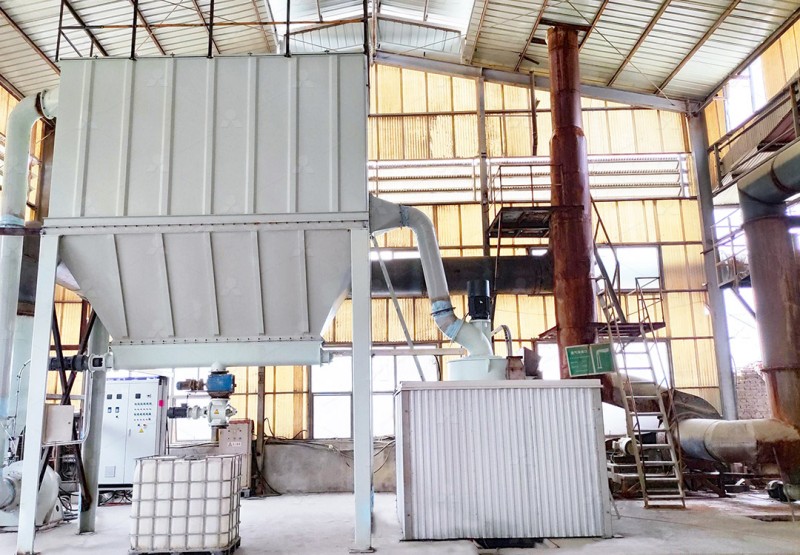
This technology is prominently featured in our MW Ultrafine Grinding Mill, which demonstrates how precise separation directly impacts final product quality. The MW mill’s cage-type powder selector effectively increases separation precision, enabling product fineness adjustment between 325-2500 meshes with screening rates achieving d97≤5μm in a single pass.
Integration with Grinding Systems
The separator doesn’t operate in isolation—it’s an integral component of the complete grinding system. In vertical roller mills like our LUM Ultrafine Vertical Grinding Mill, the separator works in harmony with the grinding elements. The LUM mill employs PLC-controlled multi-head powder separating technology that completely solves the dual challenges of high-precision powder diameter cutting and rapid switching between different production demands.
This integration allows for real-time adjustment of separation parameters based on feed material characteristics and desired output specifications. Operators can precisely control critical factors including rotor speed, vane angle, and airflow rates to optimize performance for specific coal types and combustion requirements.
Impact on System Efficiency
Proper separator operation directly influences overall mill performance in several key areas:
- Energy Efficiency: By ensuring only properly sized particles exit the system, the separator reduces recirculation loads and minimizes energy waste
- Product Consistency: Maintaining tight particle size distribution improves combustion efficiency and reduces unburned carbon losses
- System Stability: Consistent separator performance helps maintain stable mill operation and prevents disturbances in the coal-air mixture
- Wear Reduction: Effective separation reduces unnecessary grinding of already-sized particles, extending component life
Operational Considerations
Successful separator operation requires attention to several factors. Airflow velocity must be carefully balanced—too high and coarse particles carry over; too low and fine particles fall out prematurely. Rotational speed directly affects cut point, with higher speeds generally producing finer product. Regular maintenance of vanes and bearings is essential to maintain separation efficiency and prevent performance degradation.
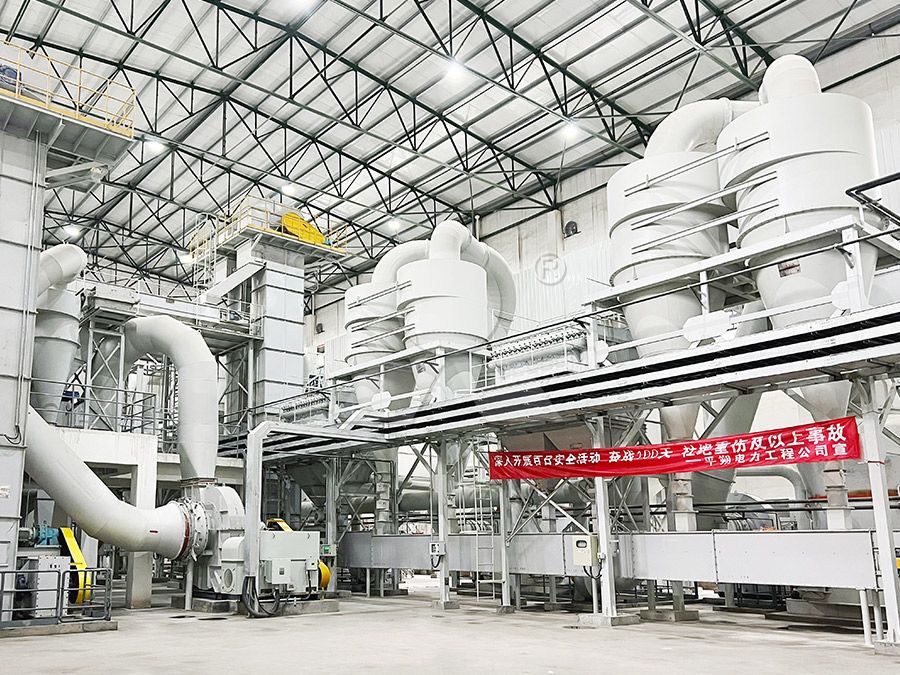
Our grinding systems, including the MW Ultrafine Grinding Mill with input size of 0-20 mm and capacity of 0.5-25 tph, are designed with maintenance-friendly features. The absence of rolling bearings and screws in the grinding chamber eliminates concerns about bearing damage or loose screws causing machine failure, while external lubrication allows continuous 24-hour operation.
Frequently Asked Questions
What is the primary function of a rotary separator in coal pulverization?
The rotary separator acts as a precision classification device that ensures only coal particles meeting specific size requirements exit the mill as final product, while oversized particles are returned for further grinding.
How does separator adjustment affect final product fineness?
By adjusting rotor speed and vane configuration, operators can precisely control the cut point—the particle size at which separation occurs. Higher rotational speeds typically produce finer product, while adjustable vanes allow for optimization of the separation curve.
What maintenance does a rotary separator require?
Regular inspection of vanes for wear, bearing lubrication, and clearance checks are essential. Our MW and LUM mills are designed with maintenance-friendly features, including external lubrication systems and accessible components to minimize downtime.
Can the same separator handle different types of coal?
Yes, modern separators like those in our MW and LUM mills can be adjusted to accommodate various coal types. The key is optimizing operational parameters such as rotor speed, airflow, and vane configuration to match the specific characteristics of each coal variety.
How does separator efficiency impact overall mill performance?
Separator efficiency directly affects energy consumption, product quality, and system stability. An efficient separator reduces recirculation loads, improves particle size distribution, and helps maintain stable mill operation, ultimately leading to lower operating costs and better combustion performance.