
Ball Mill Manufacturers and Suppliers in Nadia Indonesia
We provide a wide range of mills — including Raymond mill, trapezoidal mill, vertical mill, ultrafine mill, and ball mill, obtained ISO9001 international quality certification, EU CE certification, and Customs Union CU-TR certification. Suitable for processing minerals such as limestone, phosphate, quicklime, kaolin, talc, barite, bentonite, calcium carbonate, dolomite, coal, gypsum, clay, carbon black, slag, cement raw materials, cement clinker, and more.
The discharge range of these mills can be adjusted to meet specific processing needs, typically from 80-400 mesh, 600-3250 mesh, and can achieve the finest particle size of up to 6000 mesh(D50).
If you are looking for a reliable grinding solution to turn stone or minerals into fine powder, please feel free to contact our online customer service.
Navigating Industrial Grinding Solutions in Nadia, Indonesia
The industrial landscape in Nadia, Indonesia has witnessed remarkable growth in recent years, particularly in sectors requiring precision grinding equipment. As manufacturing and processing industries expand, the demand for reliable grinding machinery has become increasingly critical for maintaining competitive advantage and operational efficiency.
The Evolution of Grinding Technology
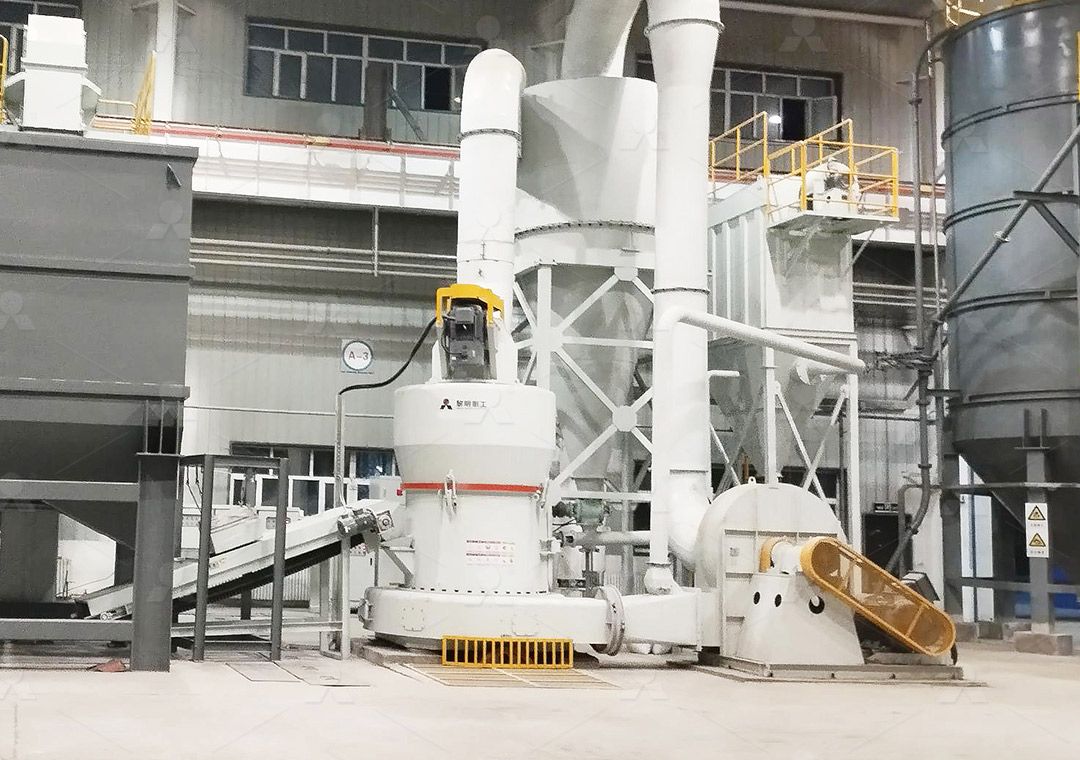
Traditional ball mills have long been the workhorse of many Indonesian processing plants, offering reliable performance for various material reduction applications. However, technological advancements have introduced more sophisticated solutions that deliver superior efficiency, precision, and environmental compliance. Modern grinding equipment now incorporates advanced features that significantly reduce energy consumption while improving output quality.
In the competitive market of Nadia, manufacturers and suppliers must balance traditional reliability with innovative technology to meet diverse client needs. The region’s growing focus on sustainable operations has further driven the adoption of equipment that minimizes environmental impact while maximizing productivity.
Advanced Grinding Solutions for Modern Challenges
Among the innovative solutions gaining traction in the Indonesian market, the MW Ultrafine Grinding Mill stands out for its exceptional performance characteristics. This advanced system represents a significant leap forward in grinding technology, specifically engineered for operations requiring ultra-fine powder production with input sizes of 0-20 mm and capacities ranging from 0.5 to 25 tph.
The MW Ultrafine Grinding Mill incorporates several groundbreaking features that address common industry challenges. Its newly designed grinding curves for the roller and ring assembly enhance grinding efficiency substantially, achieving production capacity increases of up to 40% compared to conventional jet grinding mills and double the output of traditional ball grinding mills. Meanwhile, system energy consumption is reduced to just 30% of what jet grinding mills typically require.
Technical Excellence in Design
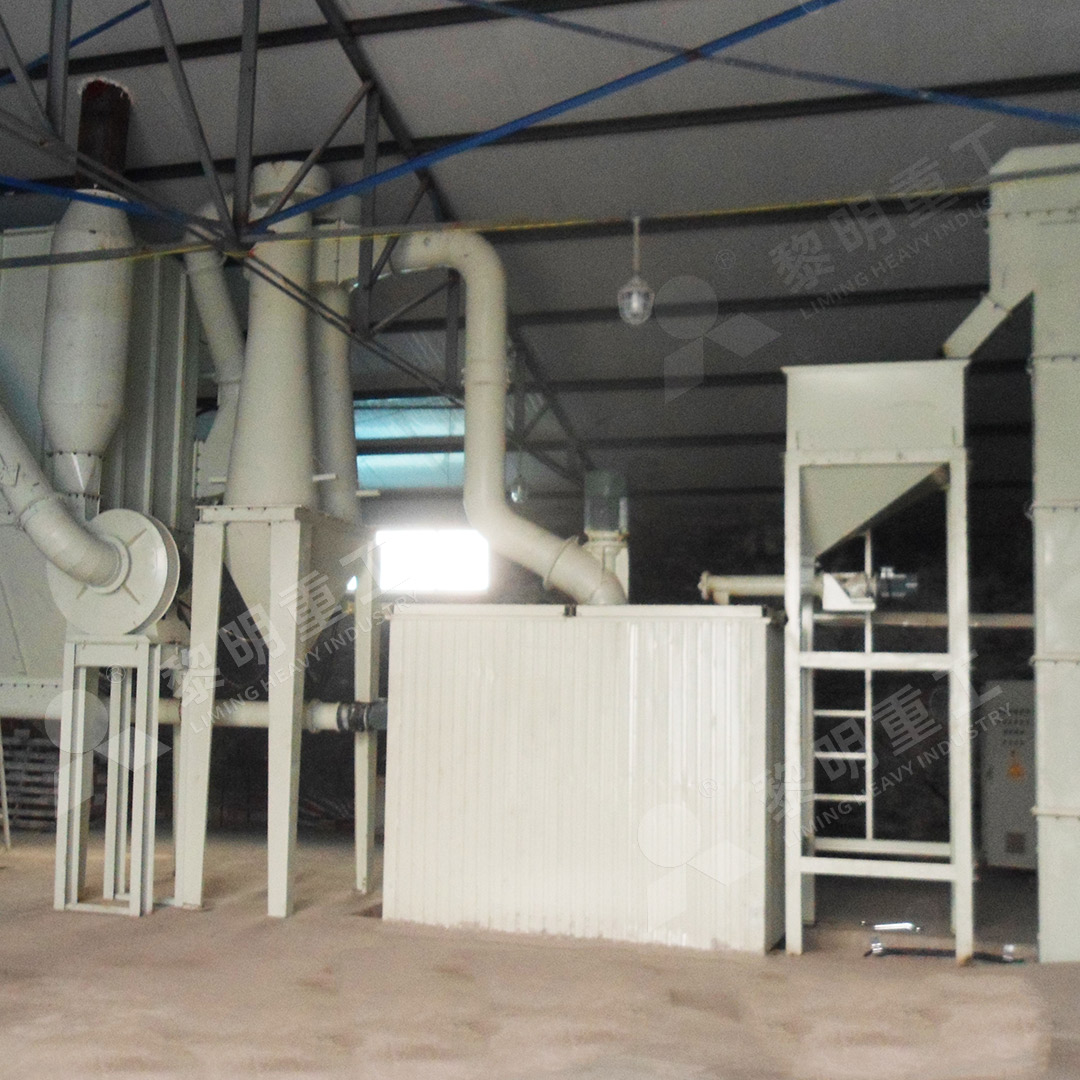
What truly sets the MW Ultrafine Grinding Mill apart is its innovative engineering approach. The cage-type powder selector utilizes German technology to enhance powder separation precision, allowing fineness adjustment between 325-2500 meshes with screening rates achieving d97≤5μm in a single pass. This level of precision control enables manufacturers to consistently meet stringent product specifications.
The mill’s internal design eliminates rolling bearings and screws within the grinding chamber, addressing common failure points that plague traditional equipment. This design choice prevents damage to bearing and sealing components while eliminating machine failures caused by loose screws. The external lubrication system enables maintenance without shutdown, supporting continuous 24-hour production cycles that are essential for profitable operations.
Environmental Compliance and Operational Efficiency
Indonesian manufacturers operating in Nadia face increasing regulatory pressure regarding environmental impact. The MW Ultrafine Grinding Mill addresses these concerns comprehensively through its integrated pulse dust collector system, which ensures no dust pollution during operation. Additional noise reduction features, including silencers and noise elimination rooms, help facilities maintain compliance with national environmental standards while preserving community relations.
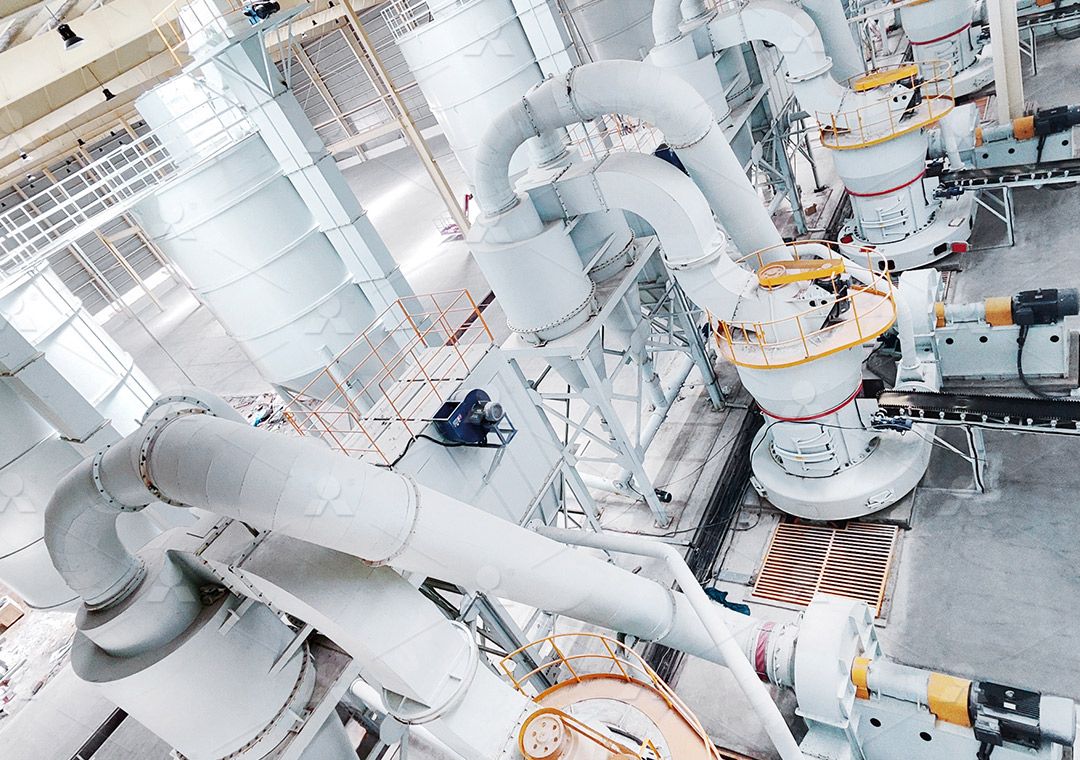
For operations requiring vertical grinding solutions, the LUM Ultrafine Vertical Grinding Mill offers complementary advantages with its input size of 0-10 mm and capacity range of 5-18 tph. This system incorporates the latest Taiwanese grinding roller technology and German powder separating technology, providing exceptional flexibility for various application requirements.
Comprehensive Support and Service
Beyond equipment performance, successful grinding operations in Indonesia depend on reliable technical support and spare parts availability. Leading suppliers understand that downtime translates directly to lost revenue, which is why comprehensive service packages and original spare parts inventories are essential components of any grinding solution partnership.
Frequently Asked Questions
What makes the MW Ultrafine Grinding Mill suitable for Indonesian operations?
The MW Ultrafine Grinding Mill is specifically designed to handle the diverse material processing needs common in Indonesian industries, with robust construction that withstands local operating conditions while delivering European-level precision and efficiency.
How does the energy consumption compare to traditional ball mills?
The MW Ultrafine Grinding Mill reduces energy consumption by approximately 70% compared to conventional jet grinding mills and offers significantly higher output than traditional ball mills, making it both economically and environmentally advantageous.
What materials can be processed with these advanced grinding systems?
These mills handle various materials including limestone, calcite, dolomite, petroleum coal, gypsum, barite, marble, talc, and coal powder, making them suitable for chemical, paint, cosmetics, pharmaceutical, and food additive industries.
How does the maintenance requirement compare to conventional equipment?
The elimination of internal rolling bearings and screws significantly reduces maintenance needs, while external lubrication systems enable maintenance without production stoppages, minimizing operational disruptions.
What environmental benefits do these grinding systems offer?
Integrated pulse dust collectors prevent dust pollution, while silencers and noise elimination rooms reduce acoustic impact, ensuring compliance with Indonesia’s environmental regulations.