
Annual Production of 100,000 Tons Copper Anode Slag Roasting & Grinding Plant Project
We provide a wide range of mills — including Raymond mill, trapezoidal mill, vertical mill, ultrafine mill, and ball mill, obtained ISO9001 international quality certification, EU CE certification, and Customs Union CU-TR certification. Suitable for processing minerals such as limestone, phosphate, quicklime, kaolin, talc, barite, bentonite, calcium carbonate, dolomite, coal, gypsum, clay, carbon black, slag, cement raw materials, cement clinker, and more.
The discharge range of these mills can be adjusted to meet specific processing needs, typically from 80-400 mesh, 600-3250 mesh, and can achieve the finest particle size of up to 6000 mesh(D50).
If you are looking for a reliable grinding solution to turn stone or minerals into fine powder, please feel free to contact our online customer service.
Annual Production of 100,000 Tons Copper Anode Slag Roating & Grinding Plant Project
Copper anode slag, a byproduct of copper electrorefining, contains valuable metals that can be economically recovered through proper processing. Establishing a 100,000-ton per annum roasting and grinding plant requires meticulous planning, robust equipment selection, and innovative technological solutions to maximize metal recovery while minimizing environmental impact.
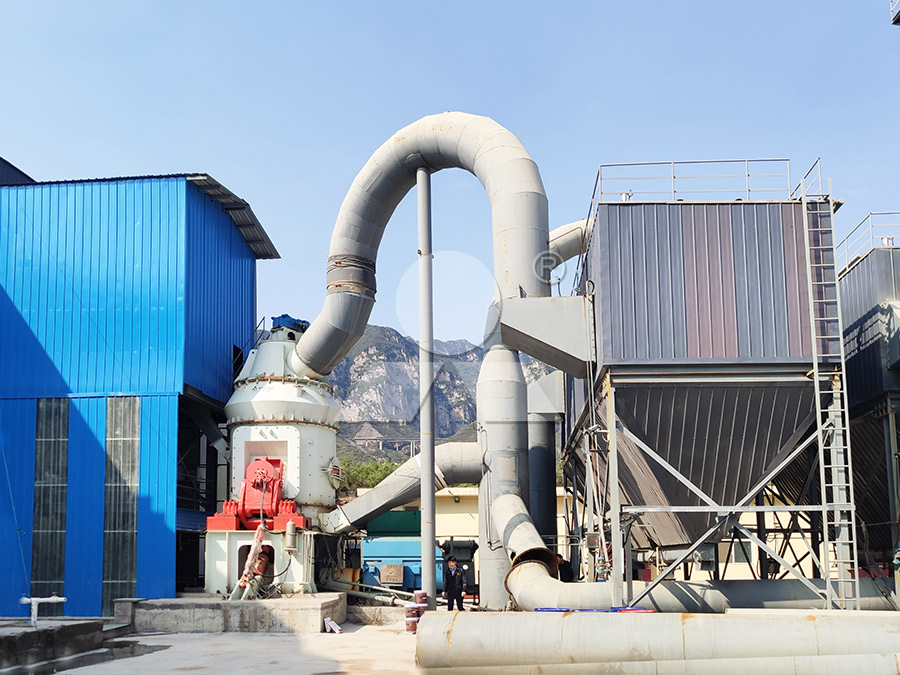
Project Overview and Technical Challenges
The primary objective of this project is to transform copper anode slag into a finely ground product suitable for subsequent hydrometallurgical processing. The roasting phase serves to oxidize metallic components and remove volatile impurities, while the grinding circuit must produce consistently fine particles to optimize metal liberation and recovery rates.
Processing copper slag presents unique challenges due to its abrasive nature and variable composition. The material typically contains copper, nickel, cobalt, and precious metals encapsulated in a hard, silicate matrix. Effective liberation of these valuable elements requires precise particle size reduction to specific micron ranges, typically between 325-2500 meshes for optimal downstream processing.
Critical Equipment Selection for Grinding Circuit
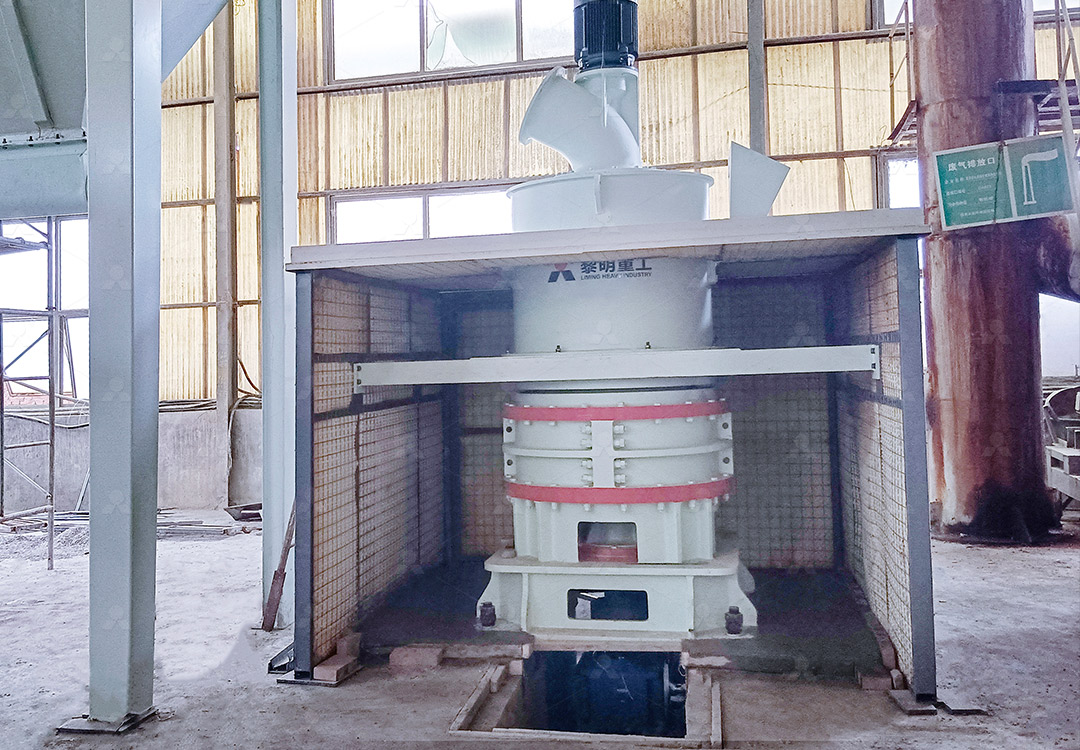
After extensive technical evaluation, our engineering team has identified the MW Ultrafine Grinding Mill as the optimal solution for the fine grinding stage of this project. This advanced mill offers several distinct advantages for copper slag processing:
- Higher yielding capacity with 40% increased production compared to jet grinding mills
- Significantly lower energy consumption – only 30% of equivalent jet grinding systems
- Adjustable fineness between 325-2500 meshes with precision powder selection
- No rolling bearings or screws in the grinding chamber, eliminating common failure points
- Integrated pulse dust collector ensuring environmentally compliant operation
The MW Ultrafine Grinding Mill’s capacity range of 0.5-25 tph perfectly aligns with our production requirements, allowing for flexible operation across varying feed conditions. Its robust construction and innovative design specifically address the abrasive characteristics of copper slag, promising extended service life and reduced maintenance downtime.
Integrated Plant Design Considerations
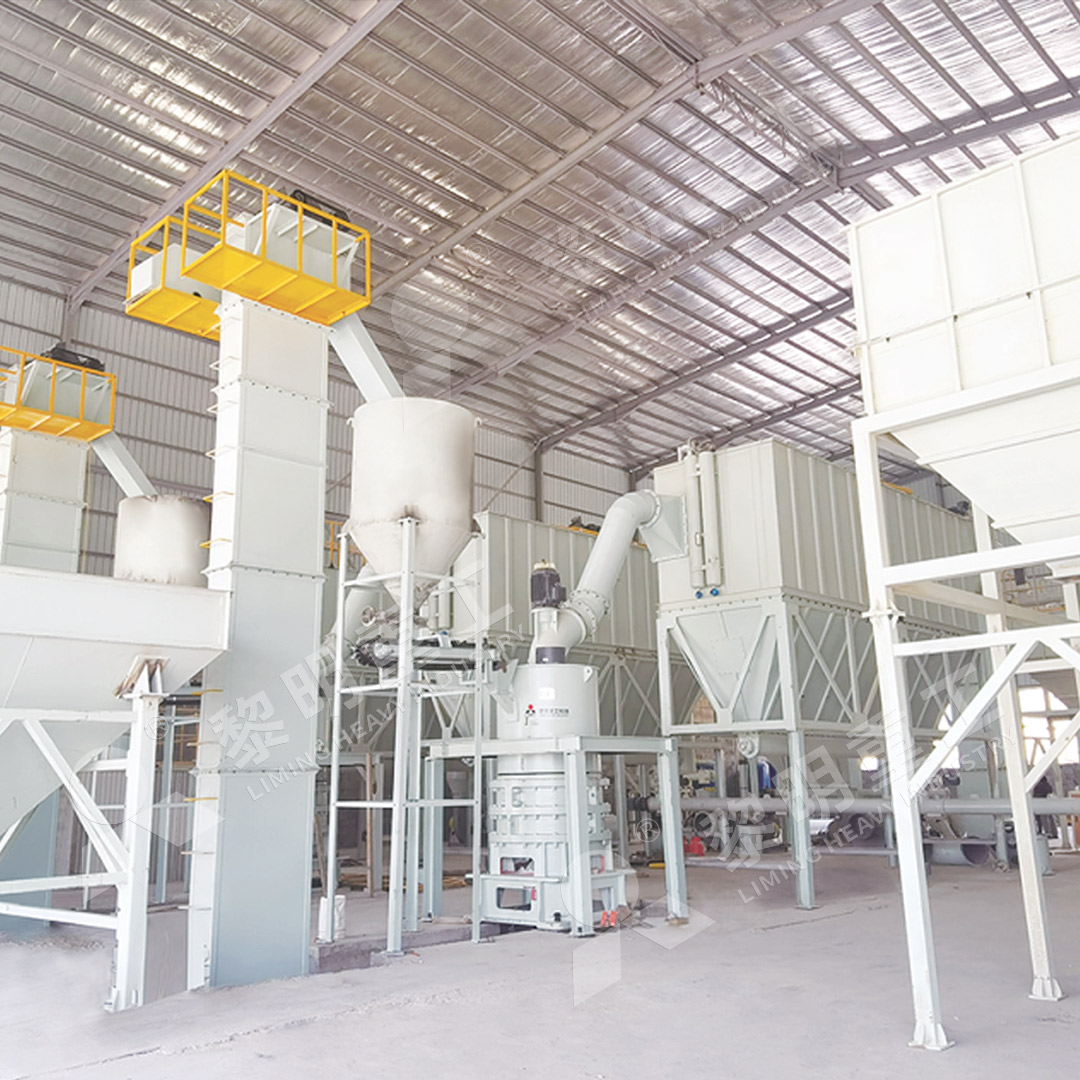
Our plant design incorporates the MW Ultrafine Grinding Mill within a comprehensive processing circuit that includes pre-crushing, roasting furnaces, material handling systems, and product classification. The mill’s compact footprint and external lubrication system facilitate easy integration into the overall plant layout, while its advanced control systems enable seamless automation and remote monitoring.
The roasting section employs multiple-hearth furnaces to ensure complete oxidation of metallic constituents, with careful temperature control to prevent the formation of undesirable compounds. The roasted material is then quenched and fed to the grinding circuit, where the MW Ultrafine Grinding Mill transforms it into the required fine powder for subsequent leaching operations.
Environmental and Operational Benefits
Beyond its technical performance, the MW Ultrafine Grinding Mill delivers substantial environmental advantages. The integrated pulse dust collector and muffler system effectively contain particulate emissions and reduce operational noise, ensuring compliance with stringent environmental regulations. The mill’s energy-efficient design also contributes to lower carbon emissions per ton of processed material, aligning with our commitment to sustainable operations.
Maintenance considerations were paramount in our equipment selection. The MW mill’s external lubrication capability allows for continuous 24-hour operation without shutdowns for lubrication, while the absence of internal bearings and screws eliminates common failure points that typically plague grinding equipment processing abrasive materials.
Economic Viability and Return on Investment
The selection of advanced grinding technology directly impacts project economics. The MW Ultrafine Grinding Mill’s combination of high throughput, low energy consumption, and minimal maintenance requirements translates to significantly lower operating costs compared to conventional grinding systems. Our financial analysis projects a payback period of under three years based on improved metal recovery rates and reduced operational expenditures.
Frequently Asked Questions
What makes the MW Ultrafine Grinding Mill particularly suitable for copper slag processing?
The MW Ultrafine Grinding Mill excels in processing abrasive materials like copper slag due to its unique design that eliminates rolling bearings and screws from the grinding chamber. This significantly reduces wear-related maintenance and downtime. Additionally, its adjustable fineness control between 325-2500 meshes allows precise optimization for maximum metal liberation.
How does the plant handle variations in copper slag composition?
Our processing plant incorporates advanced process control systems that automatically adjust operating parameters based on real-time analysis of feed material. The MW Ultrafine Grinding Mill’s flexible design accommodates composition variations through adjustable grinding pressure and separator speed controls.
What environmental measures are implemented in the plant design?
The plant employs comprehensive environmental controls including the MW mill’s integrated pulse dust collector, baghouse filtration systems, and water treatment facilities. The grinding mill itself operates with significantly lower noise levels and energy consumption compared to conventional alternatives.
What is the expected availability and maintenance schedule for the grinding circuit?
We project 92% operational availability for the grinding circuit. The MW Ultrafine Grinding Mill requires minimal scheduled maintenance due to its robust design, with major overhauls anticipated only at 8,000-10,000 operating hours. External lubrication capability allows continuous operation without shutdowns for lubrication purposes.