
Latest Semi-Coke Mill Models: Key Features and Industry Applications in 2024
We provide a wide range of mills — including Raymond mill, trapezoidal mill, vertical mill, ultrafine mill, and ball mill, obtained ISO9001 international quality certification, EU CE certification, and Customs Union CU-TR certification. Suitable for processing minerals such as limestone, phosphate, quicklime, kaolin, talc, barite, bentonite, calcium carbonate, dolomite, coal, gypsum, clay, carbon black, slag, cement raw materials, cement clinker, and more.
The discharge range of these mills can be adjusted to meet specific processing needs, typically from 80-400 mesh, 600-3250 mesh, and can achieve the finest particle size of up to 6000 mesh(D50).
If you are looking for a reliable grinding solution to turn stone or minerals into fine powder, please feel free to contact our online customer service.
Latest Semi-Coke Mill Models: Key Features and Industry Applications in 2024
The industrial milling sector continues to evolve rapidly, with 2024 bringing significant advancements in semi-coke processing technology. As industries seek more efficient, environmentally friendly, and cost-effective solutions for powder production, manufacturers have responded with innovative grinding mill designs that offer superior performance across various applications.
Current Market Trends in Semi-Coke Processing
The global push toward sustainable industrial practices has driven substantial innovation in milling technology. Modern semi-coke mills now prioritize energy efficiency, reduced environmental impact, and operational simplicity while maintaining high throughput and precise particle size control. These developments are particularly crucial for industries processing petroleum coal, limestone, barite, and other minerals where ultra-fine powders are required.
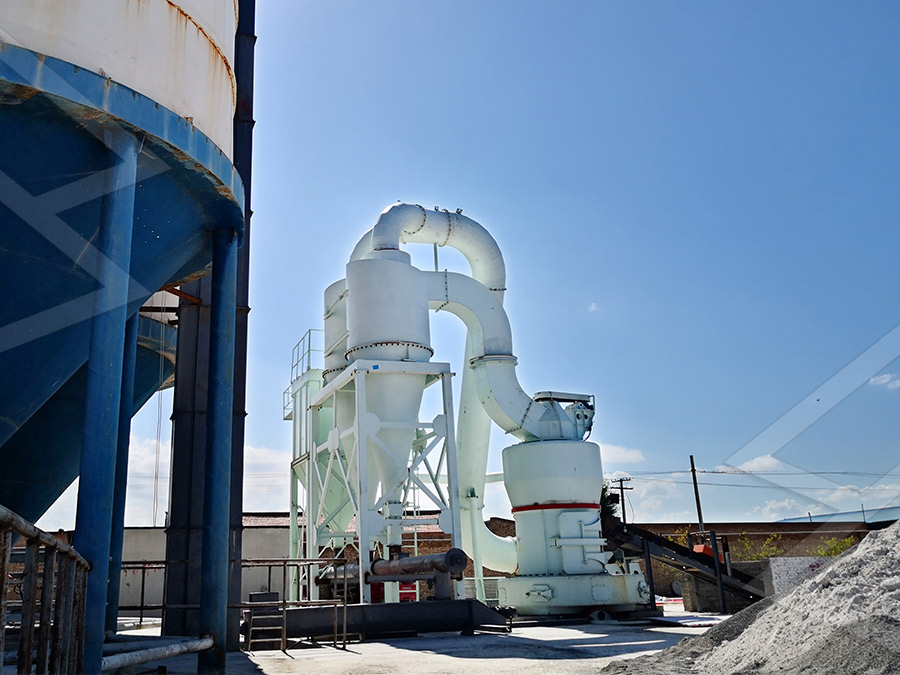
One standout innovation in this space is the MW Ultrafine Grinding Mill, which represents a significant leap forward in grinding technology. With an input size capacity of 0-20 mm and throughput ranging from 0.5 to 25 tons per hour, this equipment is specifically engineered for customers requiring ultra-fine powder production. The mill’s integrated efficient pulse dust collector and muffler system effectively minimizes dust and noise pollution, ensuring compliance with stringent environmental standards.
Technical Breakthroughs in Modern Grinding Systems
Contemporary milling equipment incorporates several technological advancements that distinguish them from earlier generations. The newly designed grinding curves of grinding rollers and rings in models like the MW Ultrafine Grinding Mill enhance grinding efficiency substantially. Comparative performance data shows production capacity increases of up to 40% over jet grinding mills and stirred grinding mills, with yields doubling that of traditional ball grinding mills, all while reducing system energy consumption to just 30% of jet mill requirements.
The adjustable fineness range between 325-2500 meshes, achieved through German cage-type powder selector technology, provides unprecedented flexibility for operations requiring different product specifications. This technological advancement, combined with the elimination of rolling bearings and screws in the grinding chamber, addresses common maintenance challenges while ensuring continuous 24-hour operation.
Industry Applications and Material Compatibility
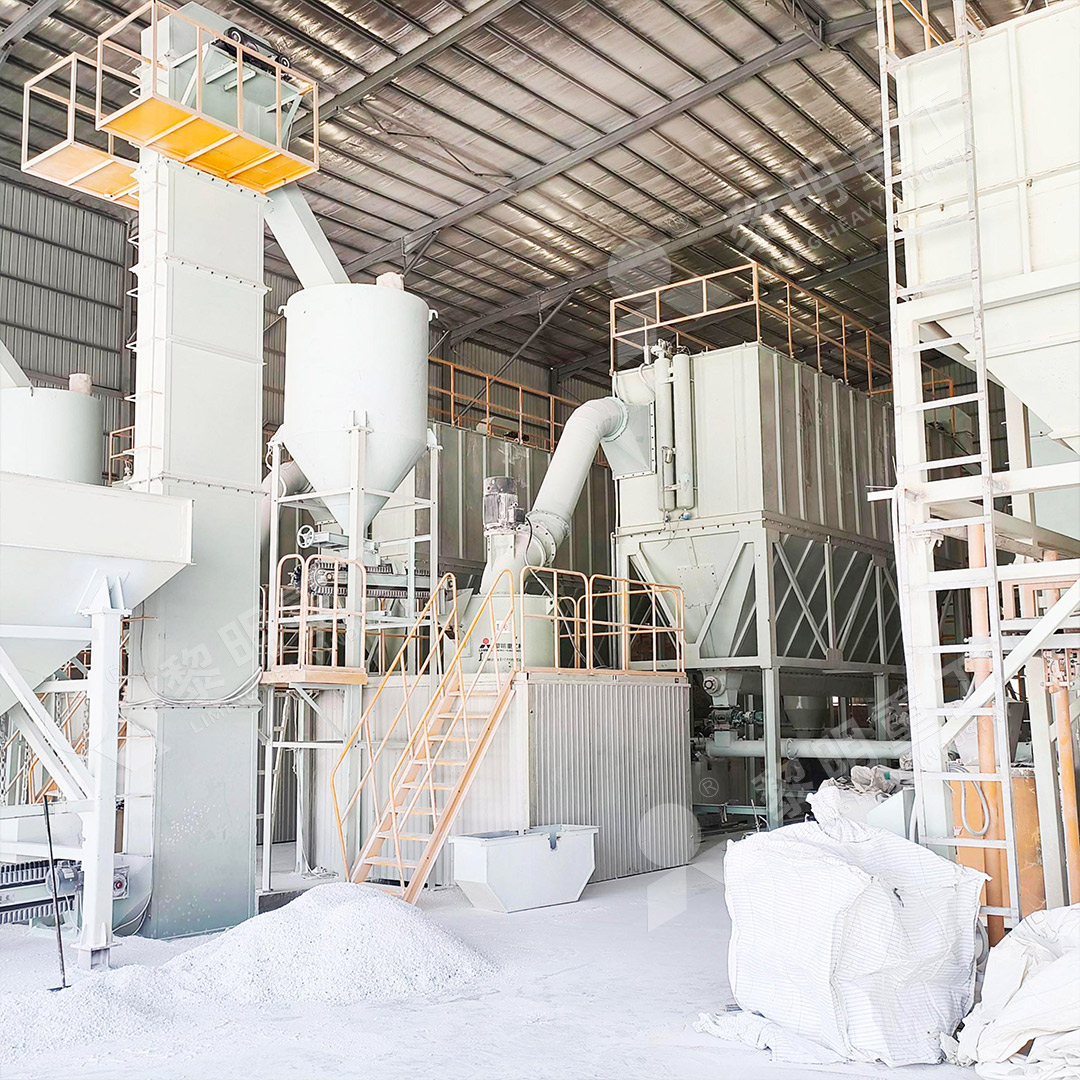
Modern semi-coke mills serve diverse industrial sectors with equal proficiency. Beyond semi-coke processing, these machines effectively handle materials including limestone, calcite, dolomite, petroleum coal, gypsum, barite, marble, talc, and various coal powders. The applications extend across chemical industries, paint production, cosmetics manufacturing, pharmaceutical preparation, and food additive processing.
Another notable solution for operations requiring vertical grinding configurations is the LUM Ultrafine Vertical Grinding Mill. This system integrates ultrafine powder grinding, grading, and transporting into a single unit, representing an optimal choice for the ultrafine powder grinding industry. With its input size of 0-10 mm and capacity of 5-18 tph, the LUM mill incorporates the latest Taiwanese grinding roller technology and German powder separating technology for exceptional performance.
Environmental Considerations and Operational Safety
Environmental compliance has become a non-negotiable aspect of industrial operations. Modern mills address this through comprehensive dust collection systems, noise reduction technologies, and energy-efficient designs. The pulse dust collector technology integrated into advanced models ensures no dust pollution occurs during the entire milling process, while silencers and noise elimination rooms maintain workplace noise at acceptable levels.
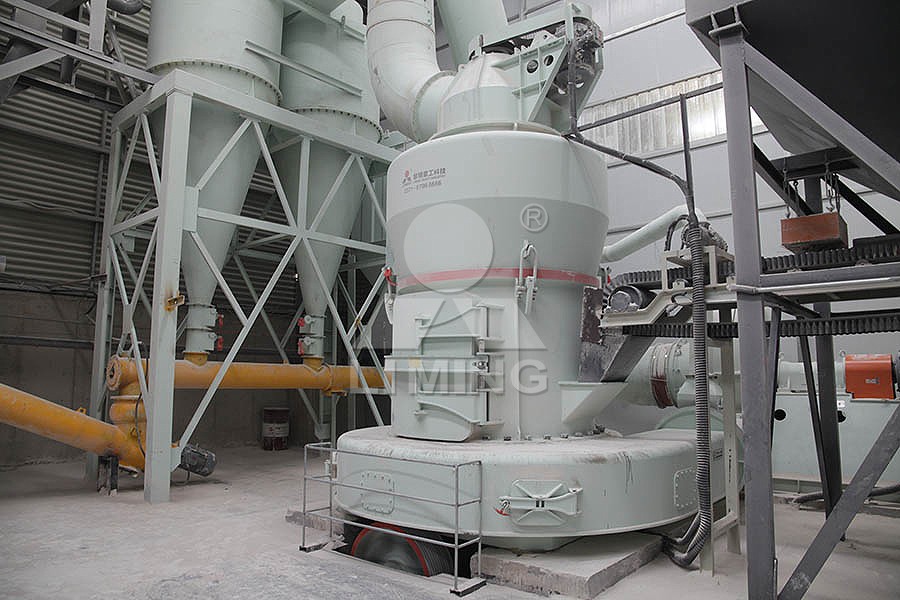
Digitalization has further enhanced operational precision, with numerical control governing processes from steel plate cutting and bending to planing, milling, and paint spraying. This digital processing approach ensures high machining precision, particularly for core components, while enabling consistent product quality across production batches.
Future Outlook
The trajectory of semi-coke mill development points toward increasingly intelligent systems with enhanced automation capabilities, greater energy efficiency, and reduced environmental footprints. As industries continue to prioritize sustainability alongside productivity, milling equipment that delivers on both fronts will dominate the market. The integration of IoT technologies for predictive maintenance and real-time performance optimization represents the next frontier in grinding mill evolution.
Frequently Asked Questions
What makes modern semi-coke mills more efficient than previous generations?
Contemporary mills incorporate advanced grinding curves, efficient powder separation technology, and optimized airflow designs that collectively enhance grinding efficiency while reducing energy consumption by 30-50% compared to traditional systems.
How do modern mills address environmental concerns?
Integrated pulse dust collectors, mufflers, noise elimination rooms, and sealed systems operating under negative pressure prevent dust emissions and reduce noise pollution, ensuring compliance with environmental regulations.
What maintenance advantages do newer models offer?
Design innovations such as the elimination of rolling bearings in grinding chambers, reversible structures for easy access, and external lubrication systems significantly reduce maintenance requirements and downtime.
Can these mills handle materials beyond semi-coke?
Yes, modern grinding mills are versatile enough to process various materials including limestone, calcite, dolomite, gypsum, barite, marble, talc, and other minerals with similar hardness characteristics.
What particle size ranges can be achieved with current technology?
Advanced mills can produce powders with fineness adjustable between 325-2500 meshes, with some models capable of achieving screening rates of d97≤5μm in a single pass.