
Vertical Mill for Coal Slag Grinding: Efficient Processing Solutions
We provide a wide range of mills — including Raymond mill, trapezoidal mill, vertical mill, ultrafine mill, and ball mill, obtained ISO9001 international quality certification, EU CE certification, and Customs Union CU-TR certification. Suitable for processing minerals such as limestone, phosphate, quicklime, kaolin, talc, barite, bentonite, calcium carbonate, dolomite, coal, gypsum, clay, carbon black, slag, cement raw materials, cement clinker, and more.
The discharge range of these mills can be adjusted to meet specific processing needs, typically from 80-400 mesh, 600-3250 mesh, and can achieve the finest particle size of up to 6000 mesh(D50).
If you are looking for a reliable grinding solution to turn stone or minerals into fine powder, please feel free to contact our online customer service.
Vertical Mill for Coal Slag Grinding: Efficient Processing Solutions
In today’s industrial landscape, efficient processing of coal slag presents both environmental challenges and economic opportunities. As industries seek sustainable solutions for byproduct utilization, vertical grinding technology has emerged as the preferred method for transforming coal slag into valuable resources.
The Challenge of Coal Slag Processing
Coal slag, a byproduct of coal combustion in thermal power plants, has traditionally posed disposal challenges. However, with proper processing, this material can be transformed into useful applications including cement additives, construction materials, and soil conditioners. The key lies in efficient grinding technology that can handle the abrasive nature of slag while maintaining operational efficiency.
Why Vertical Mills Excel in Slag Grinding
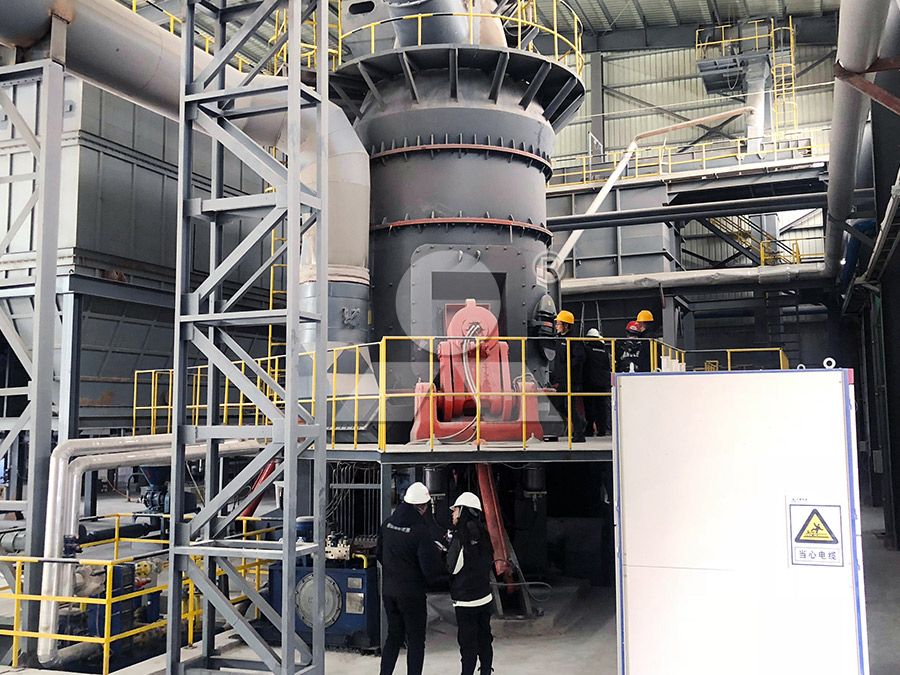
Vertical grinding mills offer distinct advantages for coal slag processing. Their integrated design combines multiple processes—drying, grinding, classifying, and conveying—into a single compact system. This integration significantly reduces the footprint compared to traditional ball mill systems while offering superior energy efficiency.
The vertical orientation enables gravity to assist in material transport, reducing energy consumption. Additionally, the controlled material bed grinding mechanism minimizes metal-to-metal contact, extending component life and reducing maintenance requirements—a crucial factor when processing abrasive materials like coal slag.
Advanced Solutions for Modern Requirements
For operations requiring specialized slag processing capabilities, our LM Vertical Slag Mill represents the pinnacle of grinding technology. Specifically engineered for industrial waste transformation, this system integrates drying, grinding, powder selection, and conveying in a single unit.
The LM Vertical Slag Mill operates with input sizes of 38-65mm and capacities ranging from 7-100T/H, making it suitable for various industrial scales. Its unique grinding device achieves integration of grinding and powder selection, focusing specifically on slag milling requirements. The system covers approximately 50% of the space required by ball milling systems while reducing energy consumption by 30-40%.
Key Operational Benefits
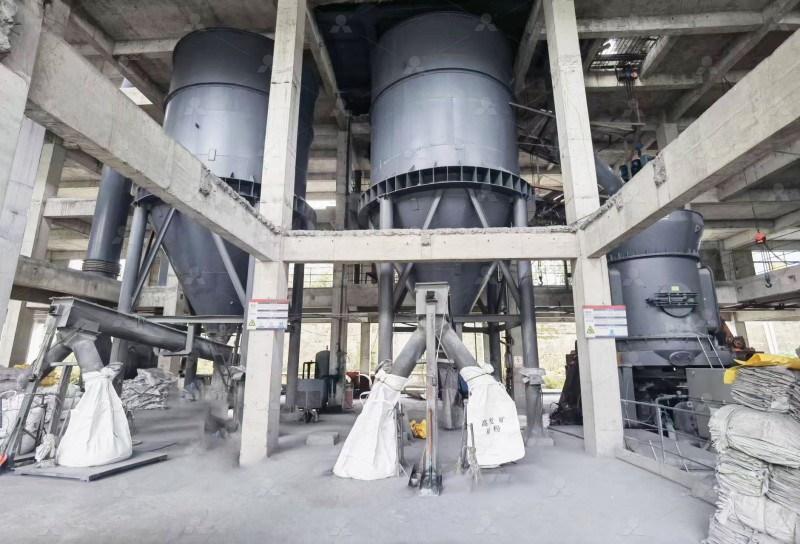
The vertical structure of these mills provides multiple advantages for slag processing operations. Important components utilize high-quality steel construction, while wear-resistant parts employ high-performance materials, ensuring reliable operation and extended service life even when processing abrasive slag materials.
Operation under negative pressure prevents dust溢出, maintaining clean working conditions. The grinding process generates relatively low noise levels, contributing to better working environments. The resulting powder exhibits uniform fineness and high screening rates, meeting stringent quality requirements for subsequent applications.
Complementary Technology for Diverse Needs
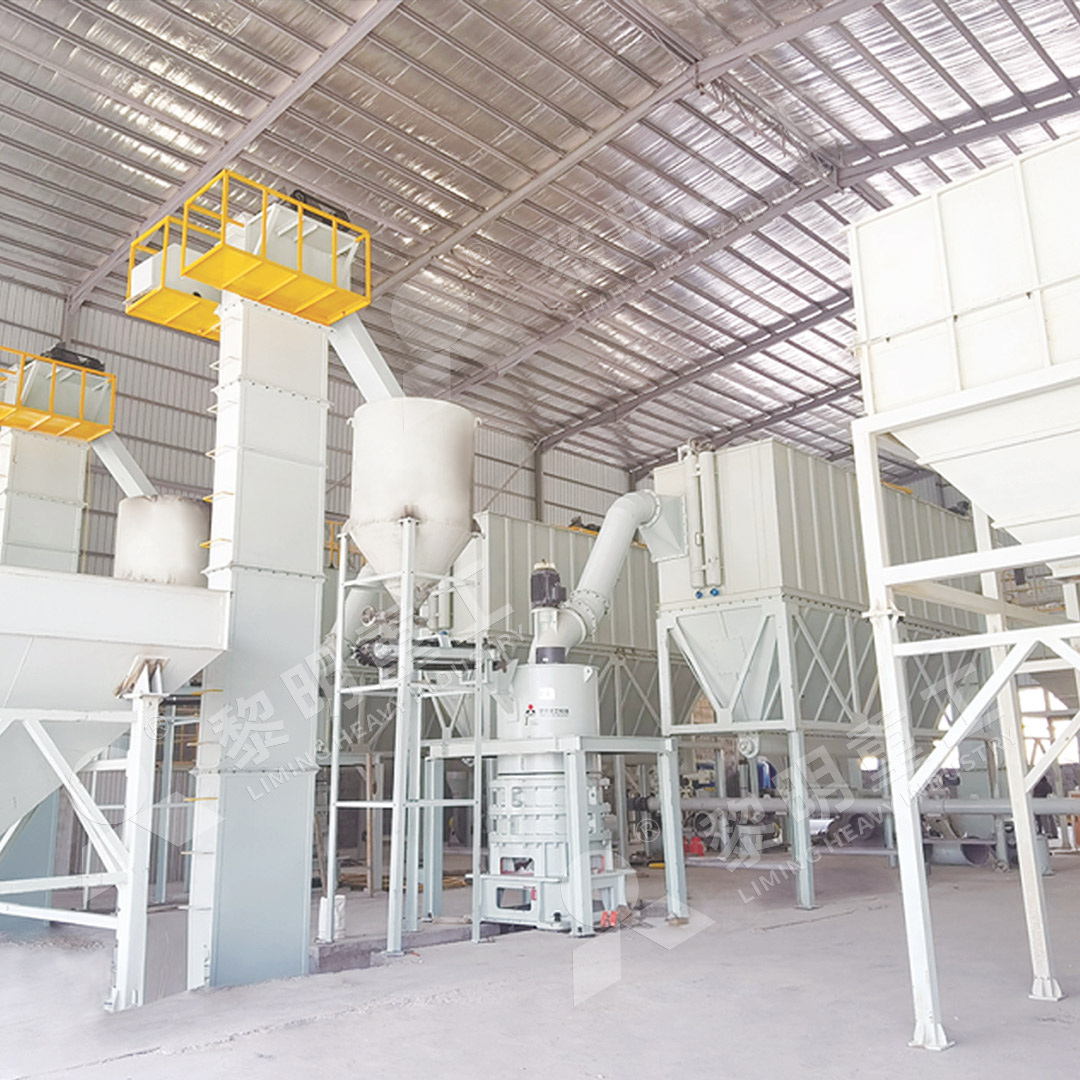
For operations requiring different specifications or handling various materials alongside coal slag, our MW Ultrafine Grinding Mill offers exceptional versatility. With an input size range of 0-20 mm and capacity of 0.5-25 tph, this equipment is designed for customers needing ultra-fine powder production.
The MW Mill features higher yielding with lower energy consumption, achieving production capacity 40% higher than jet grinding mills and twice that of ball grinding mills, while system energy consumption is only 30% of jet grinding mills. Its adjustable fineness between 325-2500 meshes, coupled with the absence of rolling bearings and screws in the grinding chamber, ensures reliable operation with minimal maintenance concerns.
Environmental Considerations
Modern vertical mills address environmental concerns through integrated dust collection systems and noise reduction technologies. Efficient pulse dust collectors ensure no dust pollution during operation, while silencers and noise elimination rooms reduce acoustic impact. These systems operate fully in compliance with national environmental protection standards, making them suitable for increasingly stringent regulatory environments.
Frequently Asked Questions
What makes vertical mills more suitable for coal slag grinding than traditional ball mills?
Vertical mills offer significantly higher energy efficiency (30-40% less energy consumption), smaller footprint (approximately 50% less space), integrated drying capabilities, and better environmental controls through sealed negative-pressure operation.
How does the LM Vertical Slag Mill handle the abrasive nature of coal slag?
The mill utilizes high-performance wear-resistant materials for critical components, features a unique grinding device that minimizes direct metal contact, and incorporates a material bed grinding mechanism that reduces component wear.
What particle size range can be achieved with these grinding systems?
The LM Vertical Slag Mill produces uniform fineness suitable for various applications, while the MW Ultrafine Grinding Mill can achieve fineness between 325-2500 meshes (d97≤5μm), offering flexibility for different product requirements.
How do these systems address environmental concerns?
Both systems operate under negative pressure to prevent dust escape, incorporate efficient pulse dust collectors, include noise reduction technologies, and comply with national environmental protection standards.
What maintenance advantages do these vertical mills offer?
The designs feature accessible maintenance points, with some models offering reversible structures for easy roller access. The absence of rolling bearings in critical areas of the MW Mill and the use of wear-resistant materials throughout reduce maintenance frequency and costs.