
How to Choose the Right Limestone Raymond Mill Manufacturer
We provide a wide range of mills — including Raymond mill, trapezoidal mill, vertical mill, ultrafine mill, and ball mill, obtained ISO9001 international quality certification, EU CE certification, and Customs Union CU-TR certification. Suitable for processing minerals such as limestone, phosphate, quicklime, kaolin, talc, barite, bentonite, calcium carbonate, dolomite, coal, gypsum, clay, carbon black, slag, cement raw materials, cement clinker, and more.
The discharge range of these mills can be adjusted to meet specific processing needs, typically from 80-400 mesh, 600-3250 mesh, and can achieve the finest particle size of up to 6000 mesh(D50).
If you are looking for a reliable grinding solution to turn stone or minerals into fine powder, please feel free to contact our online customer service.
How to Choose the Right Limestone Raymond Mill Manufacturer
Selecting the proper limestone grinding mill manufacturer is a critical decision that directly impacts your operational efficiency, product quality, and long-term profitability. With numerous options available in the market, making an informed choice requires careful consideration of several key factors.
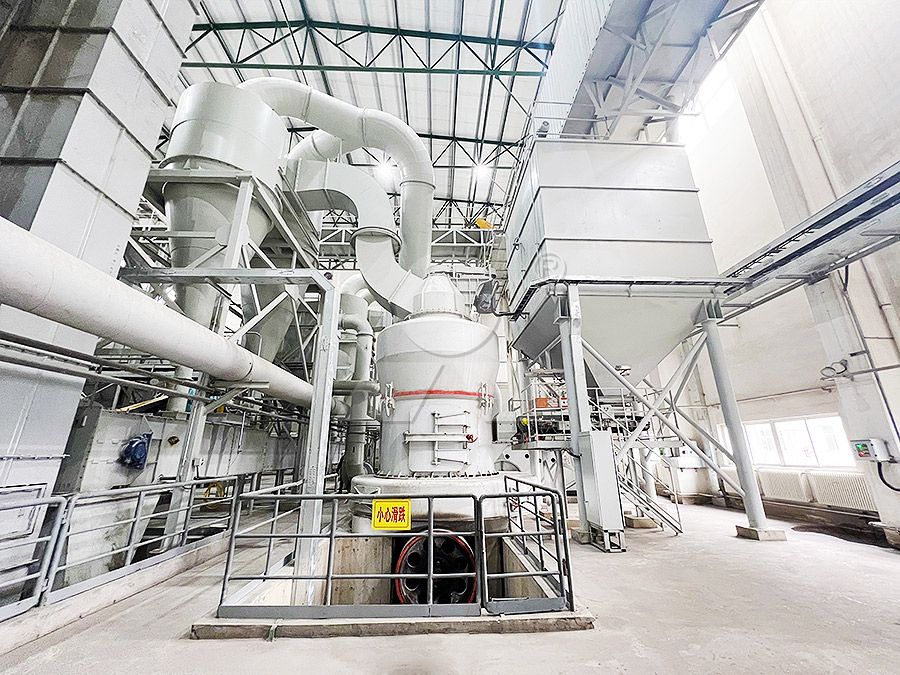
Key Considerations When Selecting a Manufacturer
First and foremost, evaluate the manufacturer’s industry experience and technical expertise. Companies with decades of grinding mill production experience typically possess refined manufacturing processes and deeper understanding of material characteristics. Look for manufacturers who can provide comprehensive technical support and have a proven track record in limestone processing applications.
Equipment performance specifications should align with your production requirements. Consider factors such as input size capacity, throughput rates, energy consumption, and final product fineness. For operations requiring ultra-fine powder production, advanced grinding technologies become essential.
Advanced Grinding Solutions for Limestone Processing
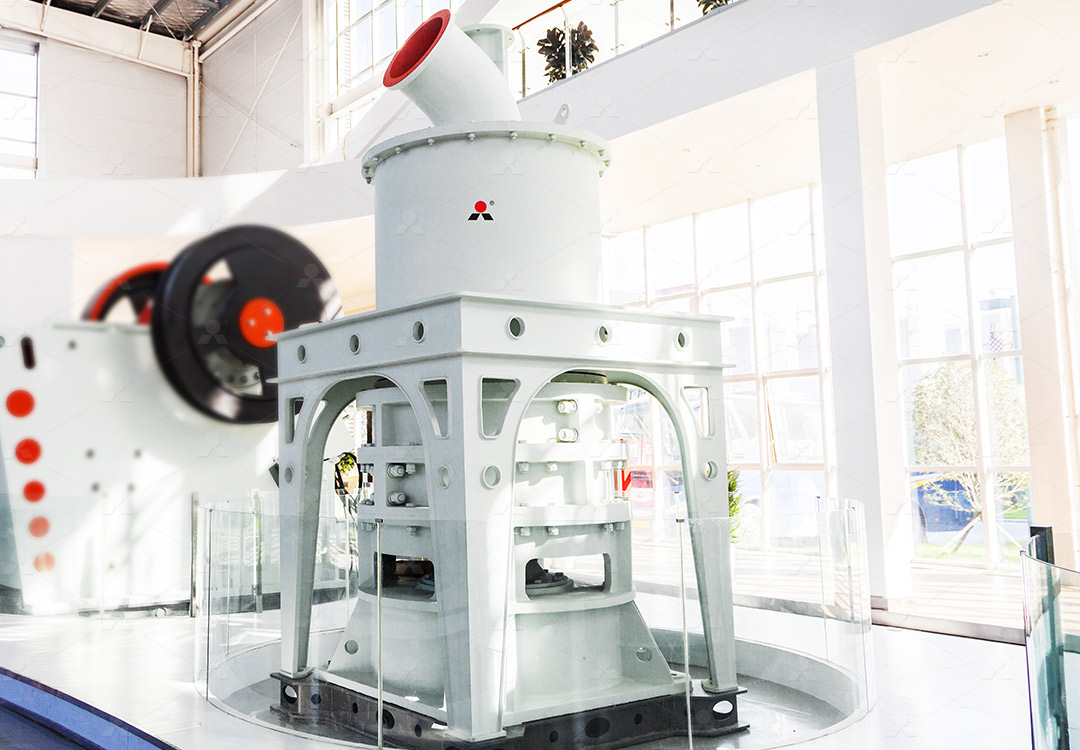
Modern limestone processing demands equipment that combines efficiency with environmental responsibility. The MW Ultrafine Grinding Mill represents cutting-edge technology in this field, specifically designed for customers requiring ultra-fine powder production. With an input size capacity of 0-20 mm and throughput ranging from 0.5 to 25 tph, this machine delivers exceptional performance while maintaining environmental compliance.
What sets the MW Ultrafine Grinding Mill apart is its innovative design that eliminates rolling bearings and screws within the grinding chamber. This revolutionary approach prevents common failure points and ensures continuous operation without concerns about bearing damage or loose screws causing machine failure. The external lubrication system enables maintenance without shutdown, supporting 24-hour production cycles.
Environmental and Operational Advantages
Environmental compliance is no longer optional in modern industrial operations. The MW Ultrafine Grinding Mill addresses this concern through its integrated efficient pulse dust collector and muffler system. This configuration effectively minimizes dust pollution and reduces operational noise, ensuring your production meets national environmental protection standards without compromising performance.
The mill’s cage-type powder selector, incorporating German technology, provides precise powder separation with adjustable fineness between 325-2500 meshes. This flexibility allows operators to fine-tune production according to specific customer requirements for yield, fineness, and sieving rate, achieving d97≤5μm in a single pass.
Manufacturing Excellence and Support
Beyond the equipment itself, consider the manufacturer’s commitment to quality control and after-sales support. Digitalized processing using numerical control machine tools ensures high precision manufacturing, particularly for core components. This attention to detail translates to reliable performance and extended equipment lifespan.
Comprehensive spare parts availability and technical support are crucial for minimizing downtime. Reputable manufacturers maintain sufficient inventory of original spare parts and provide expert technical services to ensure worry-free operation throughout the equipment’s lifecycle.
Making the Final Decision
When evaluating potential manufacturers, request detailed performance data specific to limestone applications. Ask for case studies or references from similar operations. Consider arranging equipment demonstrations or visiting existing installations to observe performance firsthand.
Remember that the lowest initial cost doesn’t always translate to the best long-term value. Factor in energy efficiency, maintenance requirements, operational costs, and the manufacturer’s reputation for reliability and support. The right partnership will provide not just equipment, but comprehensive solutions that enhance your overall operational efficiency.
Frequently Asked Questions
What is the typical production capacity range for limestone grinding mills?
Production capacity varies significantly depending on the mill type and configuration. For instance, the MW Ultrafine Grinding Mill offers capacities from 0.5 to 25 tph, while other models in our portfolio can handle up to 340 tph for larger operations.
How important is environmental compliance in mill selection?
Extremely important. Modern regulations require effective dust and noise control. Equipment like the MW Ultrafine Grinding Mill with integrated pulse dust collectors and mufflers ensures compliance while maintaining operational efficiency.
What fineness levels can be achieved with advanced grinding mills?
Advanced mills can achieve fineness between 325-2500 meshes, with some capable of producing powders with d97≤5μm. The exact capability depends on the specific mill design and configuration.
How does the absence of rolling bearings in the grinding chamber benefit operations?
Eliminating rolling bearings and screws in the grinding chamber significantly reduces maintenance concerns and prevents common failure points. This design allows continuous 24-hour operation without worries about bearing damage or loose screws causing equipment failure.
What support should I expect from a reputable manufacturer?
Look for comprehensive support including technical consultation, installation guidance, operator training, readily available spare parts, and responsive service teams. Manufacturers with integrated production and sales capabilities typically provide more consistent support.