
How to Calculate Grinding Media Loading in a Ball Mill for Optimal Performance
We provide a wide range of mills — including Raymond mill, trapezoidal mill, vertical mill, ultrafine mill, and ball mill, obtained ISO9001 international quality certification, EU CE certification, and Customs Union CU-TR certification. Suitable for processing minerals such as limestone, phosphate, quicklime, kaolin, talc, barite, bentonite, calcium carbonate, dolomite, coal, gypsum, clay, carbon black, slag, cement raw materials, cement clinker, and more.
The discharge range of these mills can be adjusted to meet specific processing needs, typically from 80-400 mesh, 600-3250 mesh, and can achieve the finest particle size of up to 6000 mesh(D50).
If you are looking for a reliable grinding solution to turn stone or minerals into fine powder, please feel free to contact our online customer service.
How to Calculate Grinding Media Loading in a Ball Mill for Optimal Performance
Ball mills remain one of the most common grinding systems across various industries, from cement production to mineral processing. However, many operators struggle with optimizing grinding media loading, which directly impacts efficiency, energy consumption, and final product quality. Proper calculation and maintenance of grinding media loading can significantly enhance your operation’s performance.
Understanding Grinding Media Loading
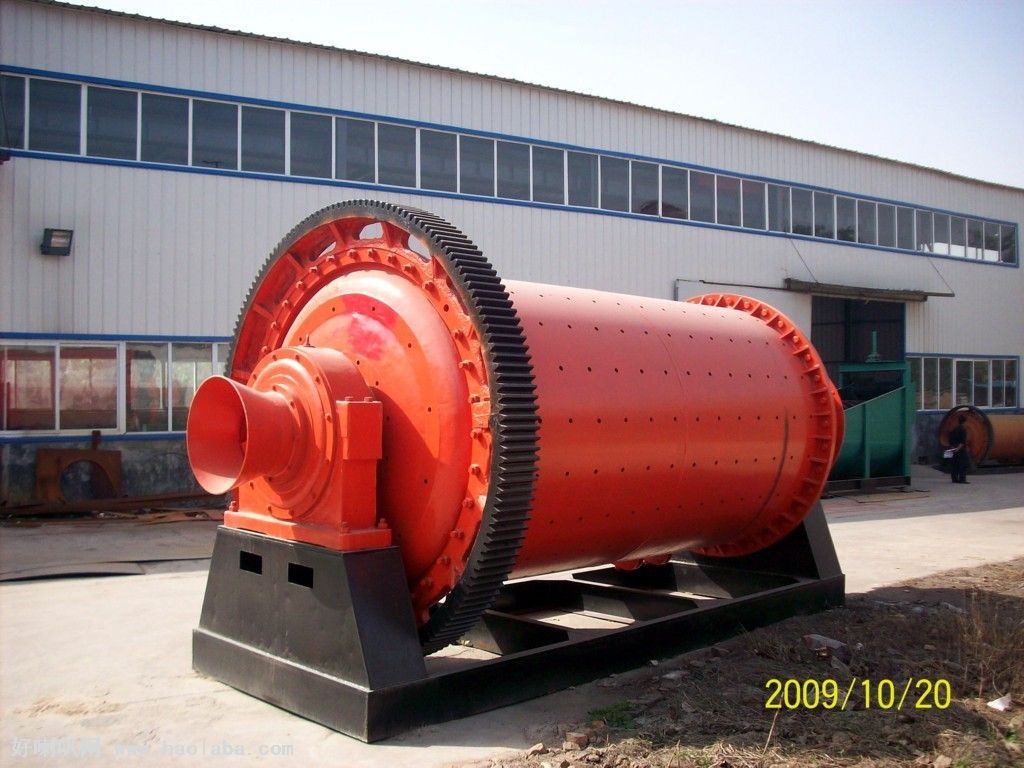
Grinding media loading refers to the amount and size distribution of grinding balls within your ball mill. The optimal loading ensures maximum impact and attrition between the media and material being ground. Too little media results in insufficient grinding action, while overloading can cause cushioning effects that reduce efficiency and increase energy consumption.
The traditional rule of thumb suggests filling the mill to approximately 30-35% of its volume with grinding media. However, this varies based on factors including mill diameter, liner design, material characteristics, and desired product fineness.
Calculating Optimal Grinding Media Loading
To calculate the optimal grinding media charge, you need to consider several key parameters:
Step 1: Determine Mill Volume
Calculate the internal volume of your ball mill using the formula: V = π × r² × L, where r is the internal radius and L is the effective grinding length.
Step 2: Calculate Media Volume
Multiply the mill volume by the optimal filling percentage (typically 30-35%): Media Volume = Mill Volume × Filling Percentage.
Step 3: Calculate Media Mass
Convert volume to mass using the bulk density of your grinding media: Media Mass = Media Volume × Bulk Density of Media.
For steel balls, the bulk density typically ranges between 4.5-4.8 tons/m³, depending on ball size distribution and composition.
Advanced Considerations for Optimal Performance
Beyond basic calculations, experienced operators consider additional factors:
Media Size Distribution: A balanced mix of different ball sizes ensures both impact breaking of coarse particles and fine grinding of smaller particles. The optimal size distribution depends on your feed material size and target product fineness.
Mill Speed: The rotational speed of your mill affects how the media cascades or cataracts. Operating at the correct critical speed percentage (typically 65-75%) ensures optimal impact energy.
Material Characteristics: Harder materials require more impact energy, favoring larger media, while softer materials benefit from more surface contact with smaller media.
When to Consider Alternative Grinding Solutions
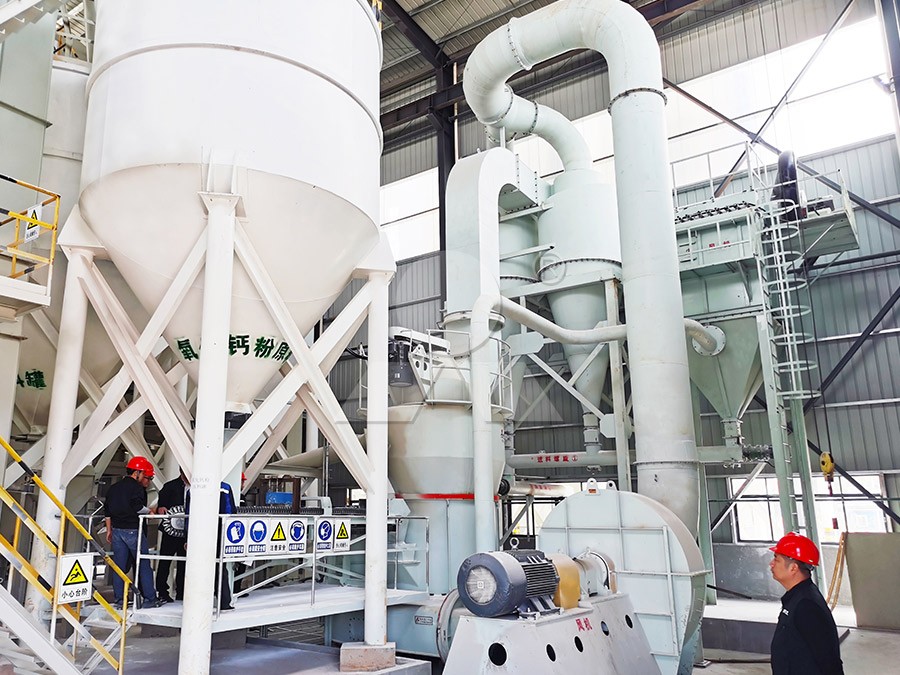
While ball mills are versatile workhorses, certain applications benefit from more specialized grinding technology. For operations requiring ultra-fine powders (325-2500 meshes) with higher efficiency and lower energy consumption, our MW Ultrafine Grinding Mill offers significant advantages.
This advanced system achieves production capacity 40% higher than jet grinding mills and twice that of ball grinding mills, while reducing system energy consumption to just 30% of jet grinding mill requirements. The unique design features no rolling bearings or screws in the grinding chamber, eliminating common failure points and enabling continuous 24-hour operation.
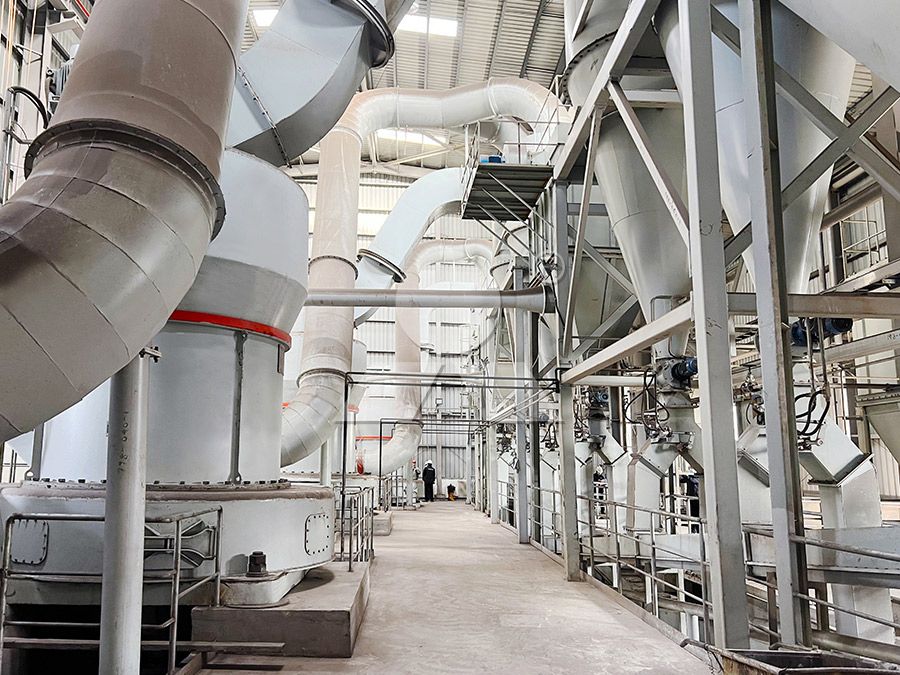
For operations processing non-metallic minerals, pulverized coal, or slag, our LM Vertical Grinding Mill provides exceptional efficiency with 30-40% energy savings compared to traditional ball mills. Its compact design reduces the coverage area by 50%, making it ideal for space-constrained facilities.
Monitoring and Maintenance
Regular monitoring of grinding media loading is essential for maintaining optimal performance. Key indicators include:
- Power draw consistency
- Product fineness variations
- Mill sound characteristics
- Throughput rates
Implement a media replenishment schedule based on wear rates, typically adding larger balls to maintain the optimal size distribution. Regular inspection of mill liners also helps maintain grinding efficiency.
Frequently Asked Questions
How often should I add grinding media to my ball mill?
Media addition frequency depends on your operation’s intensity and material abrasiveness. Most operations add media weekly or monthly, but continuous monitoring of power draw and product quality provides the best guidance.
What’s the ideal ball size distribution for limestone grinding?
For limestone grinding, a balanced mix of 40mm, 50mm, and 60mm balls typically works well. The exact ratio depends on your feed size and target product, but starting with 40% medium, 30% large, and 30% small balls provides a good baseline.
How does grinding media loading affect energy consumption?
Both underloading and overloading increase specific energy consumption. Underloaded mills require more energy per ton as media doesn’t transfer energy efficiently, while overloaded mills need extra power to rotate and may cause cushioning effects.
When should I consider upgrading from a ball mill to a more advanced system?
Consider alternative grinding technologies when you require: ultra-fine products (below 325 mesh), significantly higher capacity, reduced energy consumption (over 30% savings), or specialized applications like simultaneous drying and grinding.