
Top 5 Mining Crushers and Industrial Grinding Mills Used in Russia
We provide a wide range of mills — including Raymond mill, trapezoidal mill, vertical mill, ultrafine mill, and ball mill, obtained ISO9001 international quality certification, EU CE certification, and Customs Union CU-TR certification. Suitable for processing minerals such as limestone, phosphate, quicklime, kaolin, talc, barite, bentonite, calcium carbonate, dolomite, coal, gypsum, clay, carbon black, slag, cement raw materials, cement clinker, and more.
The discharge range of these mills can be adjusted to meet specific processing needs, typically from 80-400 mesh, 600-3250 mesh, and can achieve the finest particle size of up to 6000 mesh(D50).
If you are looking for a reliable grinding solution to turn stone or minerals into fine powder, please feel free to contact our online customer service.
Top 5 Mining Crushers and Industrial Grinding Mills Used in Russia
Russia’s vast mineral wealth demands robust and efficient processing equipment to handle everything from precious metals to industrial minerals. The country’s harsh climate and remote locations require machinery that combines reliability with advanced technology. After extensive field research and industry feedback, we’ve identified the five most prevalent crushing and grinding solutions dominating the Russian market.
1. Jaw Crushers: The Primary Workhorse
No mining operation begins without primary crushing, and jaw crushers remain the undisputed champions in Russian quarries and mines. Their simple mechanics, rugged construction, and ability to handle large feed sizes make them ideal for processing everything from granite to iron ore. Russian operators particularly value models with hydraulic adjustment systems that simplify setting changes in freezing temperatures.
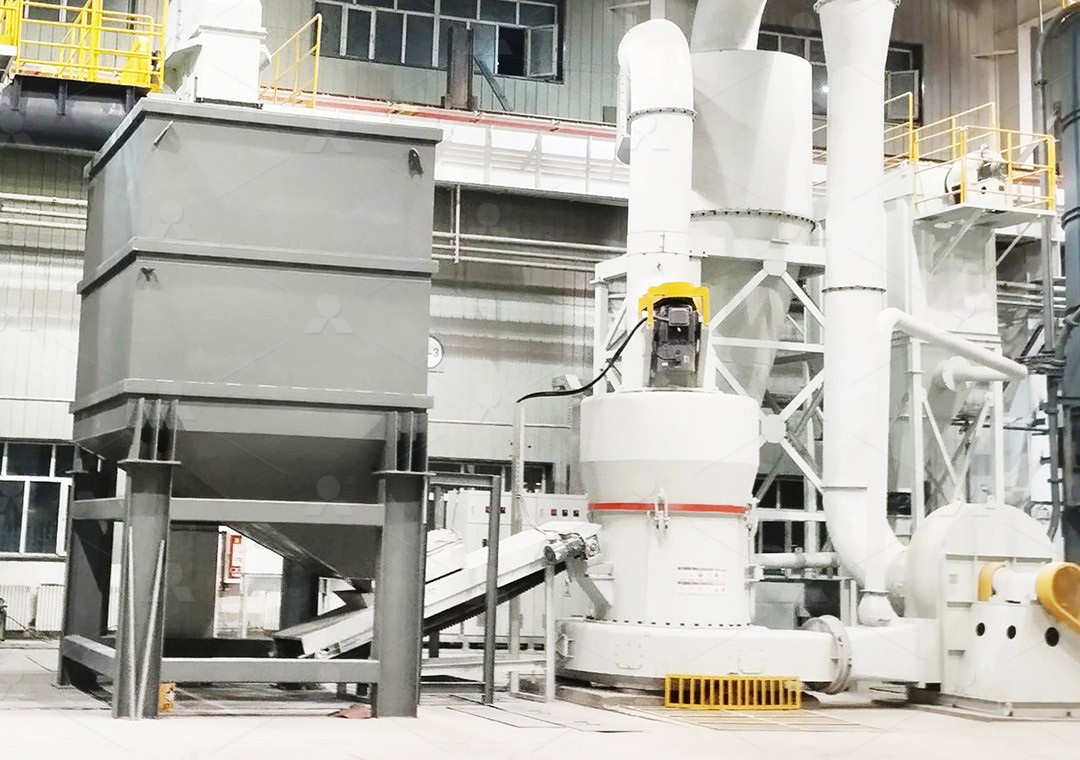
2. Gyratory Crushers: High-Capacity Processing
For large-scale mining operations in Siberia and the Urals, gyratory crushers provide the massive throughput needed for profitable operations. Their continuous crushing action and higher capacity compared to jaw crushers make them essential for processing plants handling thousands of tons daily. The enclosed design also offers advantages in dusty environments common in Russian mining regions.
3. Ball Mills: The Traditional Grinding Solution
Despite newer technologies, ball mills maintain significant presence in Russian mineral processing due to their versatility and proven track record. Capable of handling various ore types with feed sizes up to 25mm and capacities reaching 50 tph, these workhorses continue to grind everything from gold ore to industrial minerals. Their simplicity makes maintenance straightforward – a crucial factor in remote locations.
4. Vertical Roller Mills: Modern Efficiency Leaders
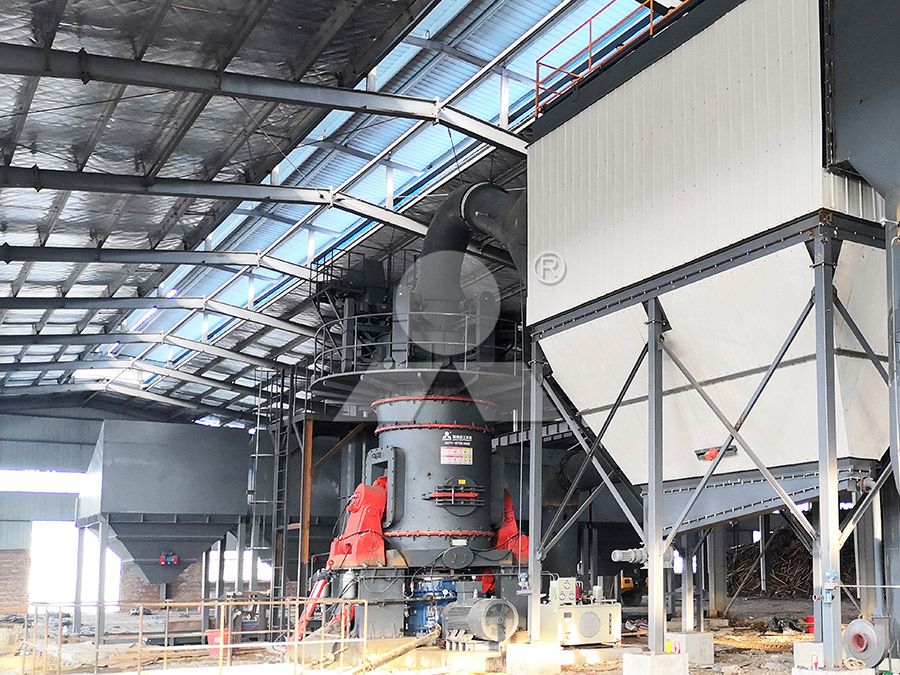
The LM Vertical Grinding Mill has revolutionized Russian cement and power industries with its integrated drying and grinding capabilities. Processing materials up to 70mm with throughput from 3-340 tph, this system reduces energy consumption by 30-40% compared to traditional ball mills. Its compact design is particularly valuable in regions where building costs are high and space is limited.
5. Raymond Mills: Fine Grinding Specialists
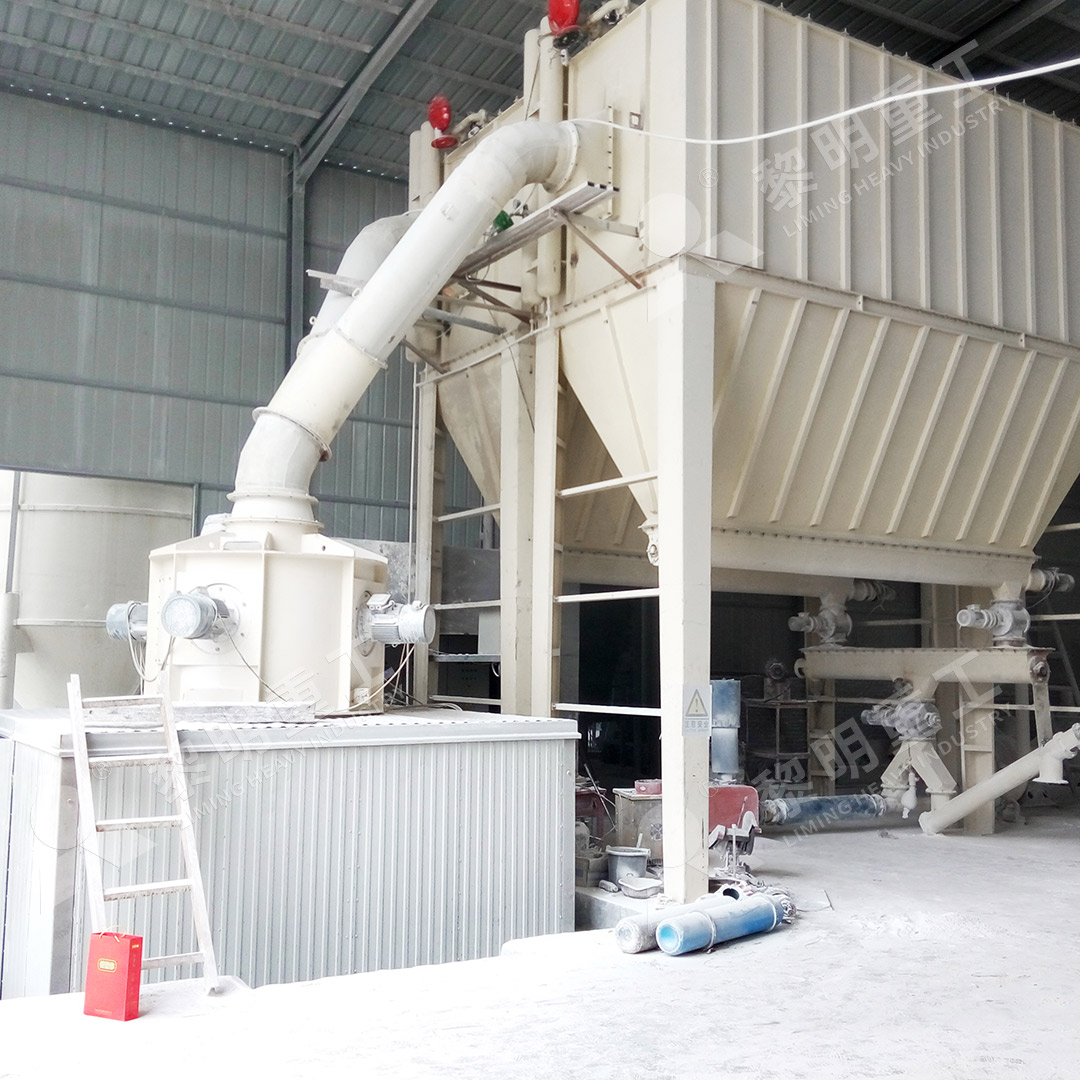
For operations requiring fine to medium-fine powders, Raymond mills continue to serve Russian industries reliably. Handling materials under 25mm with capacities up to 5 tph, these mills excel in processing barite, limestone, and other non-metallic minerals. Their straightforward operation and lower investment cost make them accessible to smaller operations across Russia’s diverse industrial landscape.
Advanced Solutions for Modern Challenges
While these five equipment types dominate the market, technological evolution continues. Russian operators increasingly seek solutions that combine high efficiency with environmental compliance and automation capabilities. The MW Ultrafine Grinding Mill represents this new generation, producing powders between 325-2500 meshes with 40% higher production capacity than jet mills and 50% energy savings. Its innovative design eliminates rolling bearings in the grinding chamber, addressing a common failure point in harsh operating conditions.
For operations requiring exceptional precision in ultrafine applications, the LUM Ultrafine Vertical Grinding Mill integrates German powder separating technology with unique roller shell design. This system achieves higher whiteness and cleanliness in finished products while reducing energy consumption by 30-50% through PLC-controlled multi-head powder separating technology.
Future Trends in Russian Mineral Processing
The Russian market shows increasing preference for equipment with digital monitoring capabilities, reduced environmental impact, and higher automation levels. The latest grinding solutions address these needs through features like external lubrication systems enabling 24-hour operation and pulse dust collectors ensuring compliance with stringent environmental standards.
Frequently Asked Questions
What factors should Russian operators consider when selecting grinding equipment?
Consider feed size, required capacity, final product fineness, moisture content, and abrasiveness of materials. Also evaluate the availability of spare parts and technical support within Russia, as remote locations demand reliable service networks.
How does the MW Ultrafine Grinding Mill achieve higher efficiency?
Through newly designed grinding curves of roller and ring, combined with German cage-type powder selector technology that enables precise separation and adjustable fineness between 325-2500 meshes.
What advantages do vertical mills offer in cold climates?
Their enclosed design protects internal components from extreme temperatures, while integrated systems reduce the number of external conveyors and equipment exposed to harsh weather conditions.
How important is after-sales support in Russia?
Critical. Operations in remote regions require suppliers with established service networks and adequate spare parts inventory within Russia to minimize downtime during the brief summer operating season in northern regions.