
Optimizing Cement Ball Mill Performance: Strategies from the Conjoined Group
We provide a wide range of mills — including Raymond mill, trapezoidal mill, vertical mill, ultrafine mill, and ball mill, obtained ISO9001 international quality certification, EU CE certification, and Customs Union CU-TR certification. Suitable for processing minerals such as limestone, phosphate, quicklime, kaolin, talc, barite, bentonite, calcium carbonate, dolomite, coal, gypsum, clay, carbon black, slag, cement raw materials, cement clinker, and more.
The discharge range of these mills can be adjusted to meet specific processing needs, typically from 80-400 mesh, 600-3250 mesh, and can achieve the finest particle size of up to 6000 mesh(D50).
If you are looking for a reliable grinding solution to turn stone or minerals into fine powder, please feel free to contact our online customer service.
Optimizing Cement Ball Mill Performance: Strategies from the Conjoined Group
Ball mills remain the workhorse of the cement grinding industry, but their efficiency is often a primary focus for plant managers seeking to reduce operational costs and improve product quality. While a robust and reliable technology, traditional ball mills can be energy-intensive and require meticulous operational practices to achieve optimal performance. At Conjoined Group, we have compiled decades of field experience into a set of actionable strategies to maximize the output and efficiency of your cement ball milling operations.
Key Performance Levers
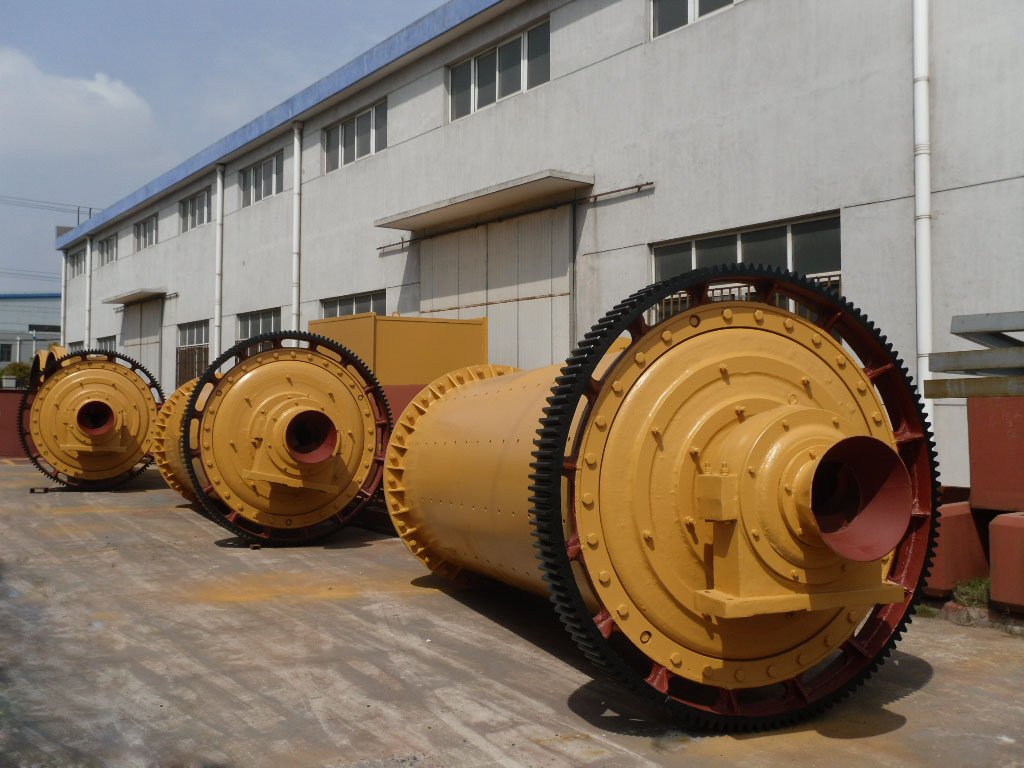
Optimization begins with a thorough understanding of the key variables influencing mill performance. These include grinding media size and distribution, material feed rate, mill speed, and the classification system’s efficiency. An imbalance in any of these areas can lead to increased power consumption, reduced throughput, or inconsistent product fineness. For instance, using incorrectly sized grinding media results in poor size reduction and excessive liner wear. Regular sampling and analysis of the mill feed and product are essential for diagnosing issues and fine-tuning the process.
Advanced Process Control and System Integration
Modern process control systems offer a significant leap forward in ball mill optimization. By integrating real-time sensors for parameters like noise, temperature, and power draw, these systems can automatically adjust feed rates and mill ventilation to maintain operation at the peak of efficiency. The goal is to run the mill at its maximum capacity without overfilling, which leads to cushioning and reduced grinding action. Furthermore, ensuring that the downstream classifier is correctly tuned is critical; a poorly performing classifier allows coarse particles to escape, increasing recirculation load and wasting energy.
Beyond Optimization: The Case for Advanced Grinding Technologies
While optimizing an existing ball mill is a cost-effective approach, there comes a point where a technological upgrade delivers a superior return on investment. For operations requiring higher efficiency, greater production capacity, or the ability to produce ultra-fine powders, vertical roller mills and specialized ultrafine grinding systems present a compelling alternative.
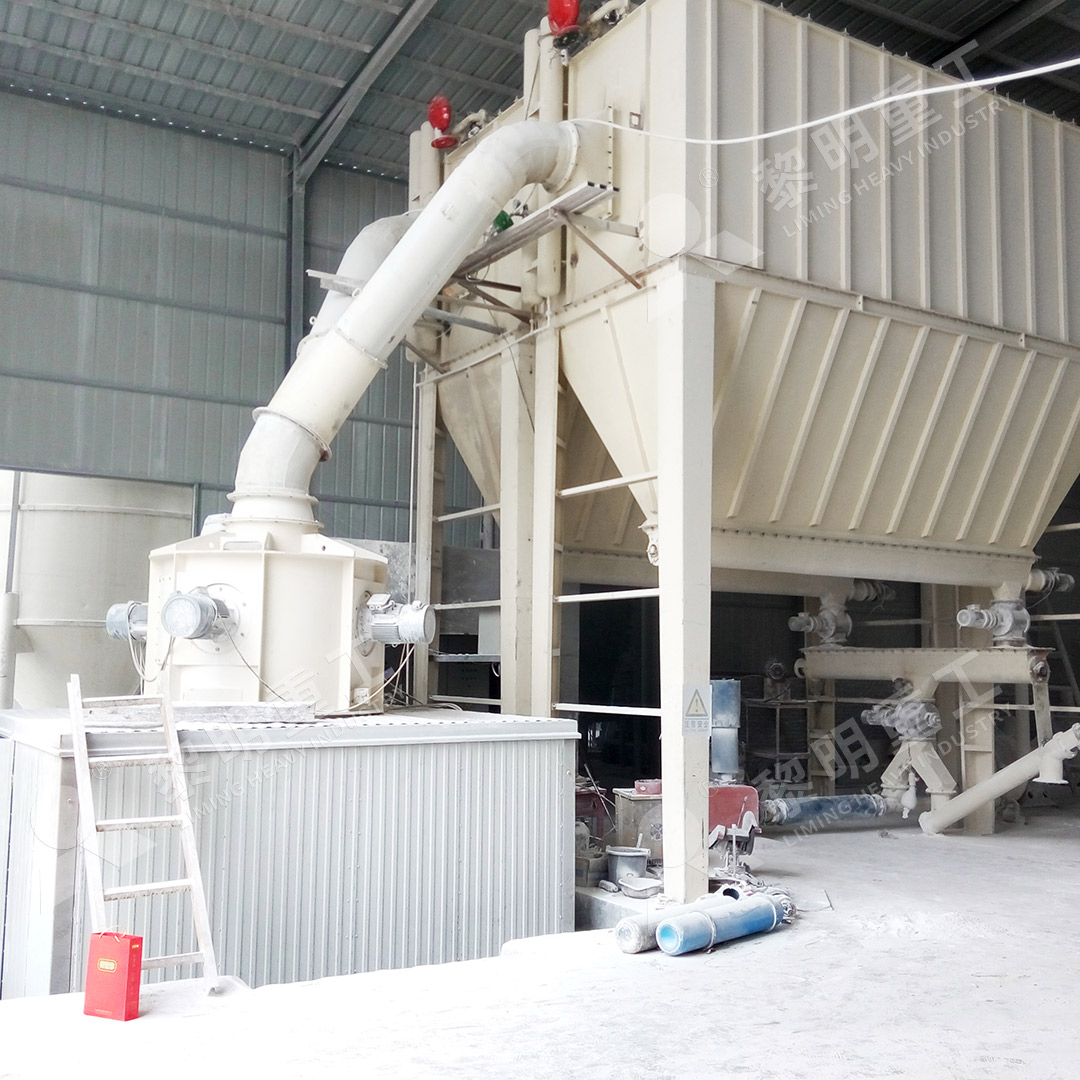
For clients whose production demands extend into the realm of ultra-fine powders, our MW Ultrafine Grinding Mill represents a technological leap. Designed for customers who need to make ultra-fine powder between 325-2500 meshes, this machine boasts significantly higher yielding and lower energy consumption. With a capacity range of 0.5-25 tph, its innovative design features, such as the cage-type powder selector and the absence of rolling bearings in the grinding chamber, ensure high precision, reliability, and minimal maintenance. It is an ideal solution for producing high-value additives and specialty cements.
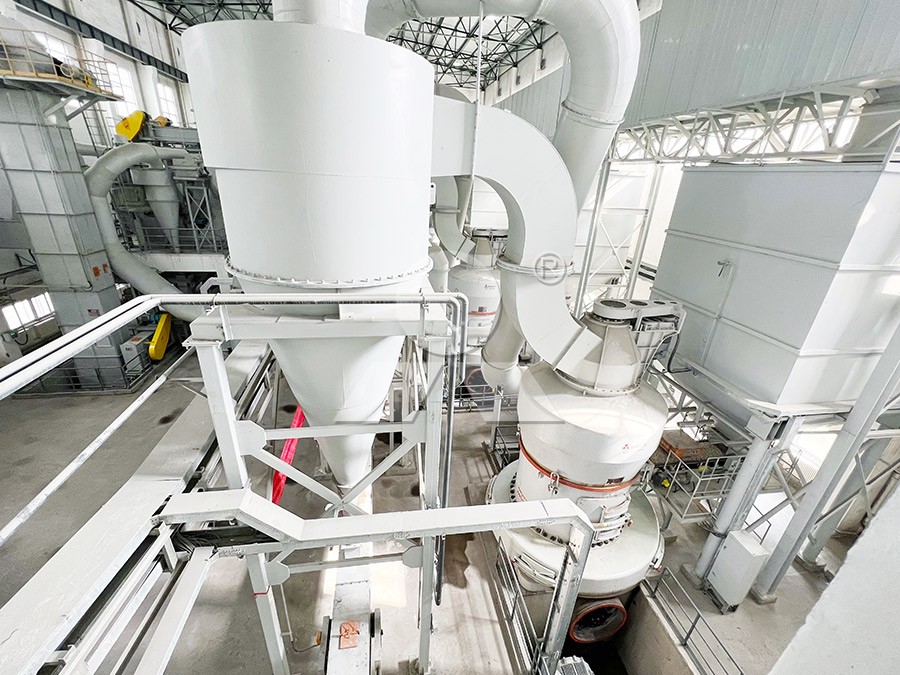
Another flagship product for efficient large-scale production is our LUM Ultrafine Vertical Grinding Mill. Independently designed with the latest grinding roller and powder separating technology, the LUM mill integrates grinding, grading, and transporting into a single, highly efficient unit. It offers a capacity of 5-18 tph and features like double position-limiting technology for stable operation and a reversible structure that simplifies maintenance. Its energy consumption is 30%-50% lower than that of traditional ball mills, making it a greener and more economical choice for modern cement plants.
A Holistic Approach to Milling
Ultimately, optimizing milling performance is not a one-time event but a continuous process. It involves a combination of diligent daily operation, preventive maintenance, strategic use of advanced controls, and, when justified, investment in more efficient technology. The Conjoined Group is committed to partnering with our clients through this journey, providing not only state-of-the-art equipment but also the expert technical support needed to achieve lasting operational excellence.
Frequently Asked Questions (FAQ)
What are the most common signs of an inefficient ball mill?
High specific energy consumption (kWh/ton), inconsistent product fineness, high recirculation loads, and abnormal noise or vibration are key indicators of inefficiency.
How often should grinding media be charged or replaced?
The frequency depends on the material hardness and mill operating hours. Regular inspection and sampling are crucial. Media should be topped up periodically to maintain the designed charge level, and a complete media audit and replacement should be scheduled based on wear rates to prevent a drop in grinding efficiency.
Can the MW Ultrafine Grinding Mill handle cementitious materials?
Absolutely. The MW Ultrafine Grinding Mill is highly effective for processing limestone, gypsum, and other cement-related minerals to achieve very high fineness, which is perfect for specialty cement applications or improving the reactivity of supplementary cementitious materials.
What is the primary advantage of a vertical roller mill like the LUM series over a ball mill?
The primary advantages are significantly lower energy consumption (30-50% savings), a smaller footprint, and integrated drying capabilities for moist materials. They are generally more efficient for finer grinding applications but may have higher initial capital costs.