
How to Calculate SAG Ball Mill Circulating Load Formula
We provide a wide range of mills — including Raymond mill, trapezoidal mill, vertical mill, ultrafine mill, and ball mill, obtained ISO9001 international quality certification, EU CE certification, and Customs Union CU-TR certification. Suitable for processing minerals such as limestone, phosphate, quicklime, kaolin, talc, barite, bentonite, calcium carbonate, dolomite, coal, gypsum, clay, carbon black, slag, cement raw materials, cement clinker, and more.
The discharge range of these mills can be adjusted to meet specific processing needs, typically from 80-400 mesh, 600-3250 mesh, and can achieve the finest particle size of up to 6000 mesh(D50).
If you are looking for a reliable grinding solution to turn stone or minerals into fine powder, please feel free to contact our online customer service.
Understanding Circulating Load in Grinding Circuits
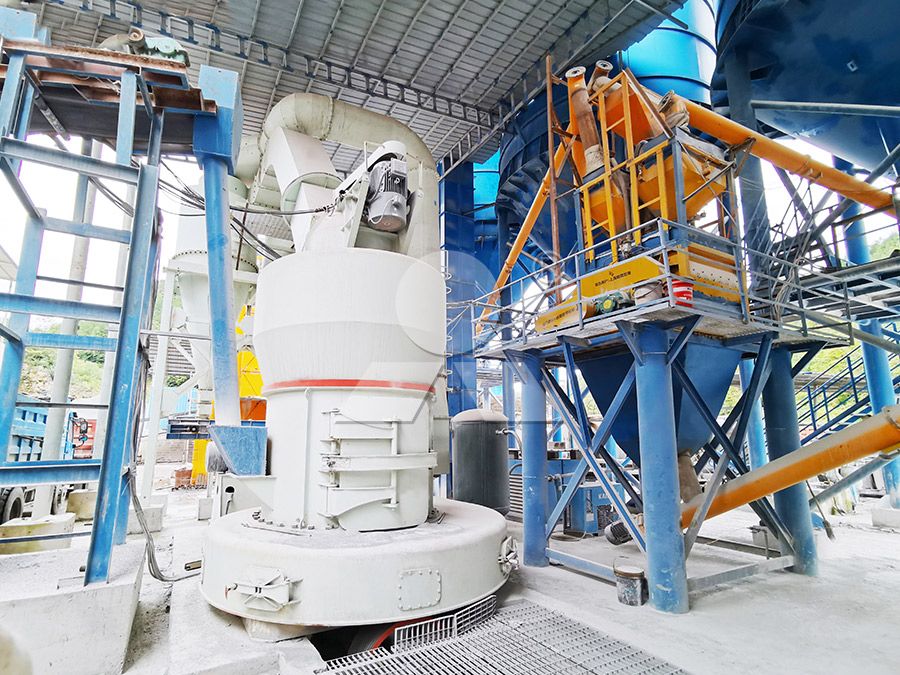
For plant operators and metallurgists, accurately calculating the circulating load in Semi-Autogenous Grinding (SAG) and ball mill circuits is fundamental to optimizing grinding efficiency and throughput. The circulating load refers to the amount of oversize material that returns to the mill from the classification system, typically a cyclone or screen. Proper calculation ensures your mill operates at peak performance, preventing both under-grinding and over-grinding, which can lead to increased energy consumption and reduced product quality.
The Circulating Load Formula
The most widely accepted formula for calculating circulating load is based on the mass balance principle. It compares the amount of finished product (undersize) to the material returned to the mill (oversize). The formula is typically expressed as a percentage:
Circulating Load (%) = (T – F) / F × 100
Where:
T = Mass flow rate of the mill discharge (tph)
F = Mass flow rate of the new feed to the circuit (tph)
Alternatively, if you have data from the classifier, you can use the following variation:
Circulating Load (%) = (O – F) / F × 100
Where:
O = Mass flow rate of the classifier oversize (return sand) (tph)
F = Mass flow rate of the new feed (tph)
Practical Calculation Example
Let’s consider a practical scenario. Suppose your SAG ball mill circuit is processing a limestone feed. Your new feed rate (F) is measured at 120 tph. The mass flow of the classifier oversize returning to the mill (O) is measured at 360 tph.
Applying the formula:
Circulating Load (%) = (360 – 120) / 120 × 100 = (240) / 120 × 100 = 200%
This result indicates that for every ton of new feed, two tons of material are being recirculated back to the mill. A typical target circulating load for a ball mill circuit is between 150% and 250%, but this can vary significantly based on the ore characteristics and the desired product size.
Why Circulating Load Matters
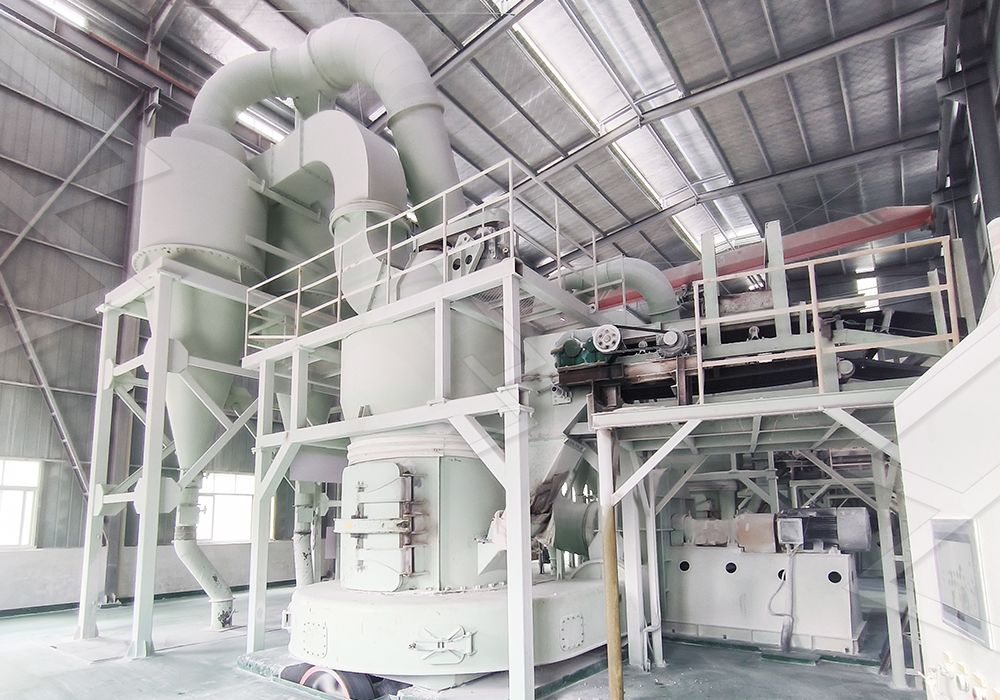
Maintaining an optimal circulating load is crucial. Too low a load can cause the mill to grind coarsely and inefficiently, leading to liner and grinding media damage. Conversely, an excessively high load can overload the mill, reduce throughput, and increase power consumption without a corresponding improvement in grind size. Regular calculation allows for real-time adjustments to feed rates, water addition, and classifier settings.
Advanced Solutions for Efficient Grinding
While managing SAG and ball mill circuits is essential, many operations are turning to more modern, energy-efficient technologies for fine and ultra-fine grinding applications. For projects requiring high-precision powders, our MW Ultrafine Grinding Mill offers a significant advantage.
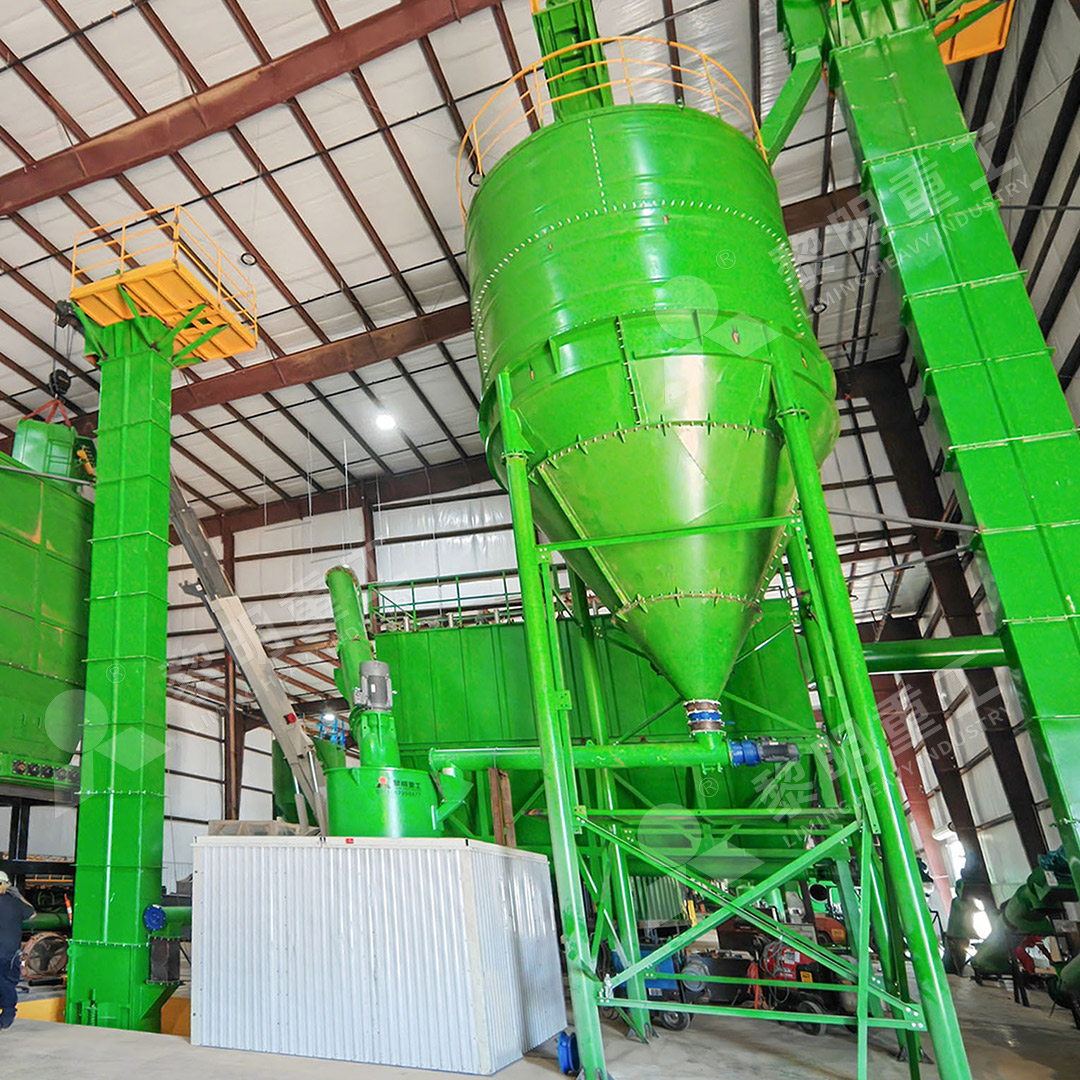
This mill is engineered for customers who need to produce ultra-fine powder between 325-2500 meshes. It features a cage-type powder selector based on German technology, which provides exceptional precision in particle separation. A key benefit is its higher yield and lower energy consumption; with the same fineness and power, its production capacity is 40% higher than jet mills and twice that of ball mills, while system energy consumption is just 30% of a jet mill. Its innovative design, with no rolling bearings or screws in the grinding chamber, eliminates common failure points and allows for external lubrication without shutdown, supporting continuous 24/7 operation.
Frequently Asked Questions (FAQ)
What is a good circulating load for a ball mill?
While it depends on the specific circuit and ore, a circulating load between 150% and 250% is generally considered optimal for most ball mill operations. SAG mill circuits may have different targets.
How often should I calculate the circulating load?
It’s good practice to calculate it regularly, especially after changes in feed grade or ore hardness. In modern plants with continuous monitoring systems, it can be calculated in real-time.
What are the consequences of a circulating load that is too high?
An excessively high load can lead to mill overloading, reduced throughput, increased power draw, and potential sanding of the cyclones, which disrupts the entire classification process.
Can the MW Ultrafine Mill handle materials other than limestone?
Absolutely. The MW Ultrafine Grinding Mill is highly versatile, suitable for calcite, dolomite, talc, barite, and various other non-metallic minerals with a feed size of 0-20 mm and a capacity range of 0.5-25 tph.