
How to Increase Limestone Grinding Mill Capacity to 20 Tons Per Hour
We provide a wide range of mills — including Raymond mill, trapezoidal mill, vertical mill, ultrafine mill, and ball mill, obtained ISO9001 international quality certification, EU CE certification, and Customs Union CU-TR certification. Suitable for processing minerals such as limestone, phosphate, quicklime, kaolin, talc, barite, bentonite, calcium carbonate, dolomite, coal, gypsum, clay, carbon black, slag, cement raw materials, cement clinker, and more.
The discharge range of these mills can be adjusted to meet specific processing needs, typically from 80-400 mesh, 600-3250 mesh, and can achieve the finest particle size of up to 6000 mesh(D50).
If you are looking for a reliable grinding solution to turn stone or minerals into fine powder, please feel free to contact our online customer service.
How to Increase Limestone Grinding Mill Capacity to 20 Tons Per Hour
Achieving a consistent output of 20 tons per hour for limestone grinding is a common target for many operations seeking to optimize their production lines. This goal requires a strategic approach that combines proper equipment selection, optimized operational parameters, and diligent maintenance practices. Let’s explore the key factors that influence grinding capacity and how to systematically address them.
Critical Factors Influencing Grinding Capacity
The capacity of any grinding mill is not determined by a single variable but rather by a complex interplay of several factors. Understanding these elements is the first step toward maximizing your throughput.
Raw Material Characteristics: The hardness, moisture content, and feed size of your limestone directly impact grinding efficiency. Softer limestone with a moisture content below 5% and a consistent feed size of 0-20mm will process significantly faster than hard, wet, or irregularly sized material. Pre-drying and implementing a pre-crushing stage to ensure uniform feed size are essential preparatory steps.
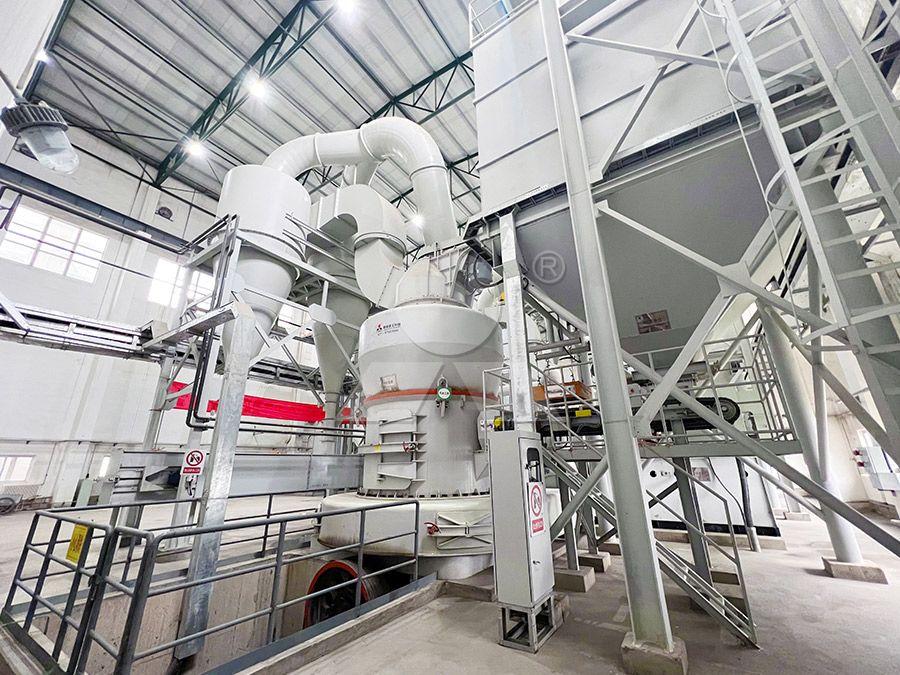
Fineness Requirements: This is perhaps the most significant factor. The finer the required product, the more energy and time are needed, which reduces the overall hourly capacity. Aiming for a product fineness of 325-400 meshes is typically manageable for a 20 tph target. If your application requires ultra-fine powder (e.g., 800-2500 meshes), you must select a mill specifically designed for high-yield fine grinding.
Selecting the Right Mill for the Job
Not all grinding mills are created equal. For a target of 20 tons per hour, you need a machine engineered for high efficiency and robust performance. Based on our extensive product line and industry experience, we highly recommend the MW Ultrafine Grinding Mill for this specific application.
The MW Series Mill is specifically designed for customers who need to make ultra-fine powder with high capacity. With a capacity range of 0.5 to 25 tons per hour, it is perfectly suited to meet and exceed your 20 tph goal. Its newly designed grinding curves for the roller and ring enhance grinding efficiency, resulting in a production capacity that is 40% higher than jet mills and twice as large as traditional ball mills for the same power consumption. This means you achieve higher output with lower energy costs.
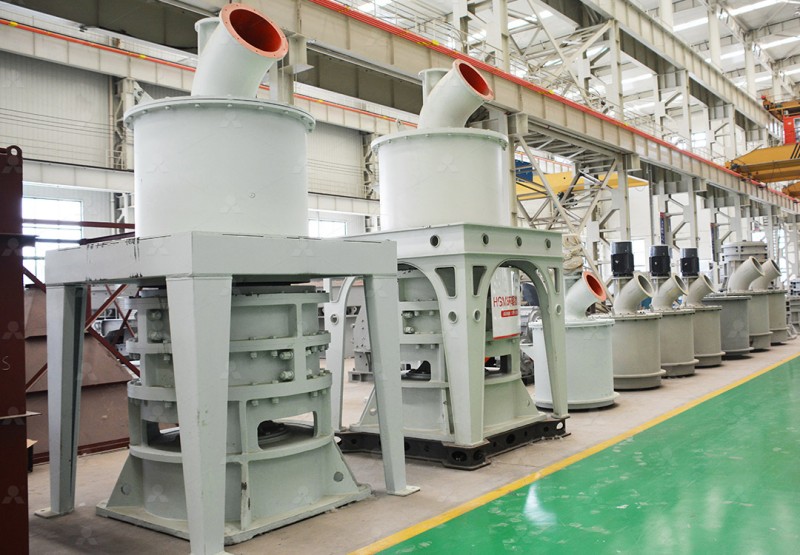
Another excellent option is the LUM Ultrafine Vertical Grinding Mill. It integrates grinding, grading, and transporting with a capacity of 5-18 tph. For operations where space is a constraint or a vertical configuration is preferred, the LUM mill’s advanced powder separating technology and energy-saving design make it a formidable contender, especially when paired with optimal process conditions.
Optimizing Operational Parameters
Once the correct mill is installed, fine-tuning its operation is crucial.
- Feed Rate Consistency: Use a vibrating feeder to ensure a steady and uniform flow of material into the grinding chamber. Fluctuations in feed rate cause instability and reduce efficiency.
- Grinding Pressure and Classifier Speed: Adjust the grinding roller pressure and the speed of the cage-type powder selector. For the MW Mill, the adjustable fineness between 325-2500 meshes allows you to find the sweet spot where throughput and product quality are balanced.
- Airflow Management: Proper airflow is critical for material transport and classification. Ensure the system’s fan is correctly sized and that there are no blockages in the air ducts or dust collector.
Proactive Maintenance for Sustained Performance
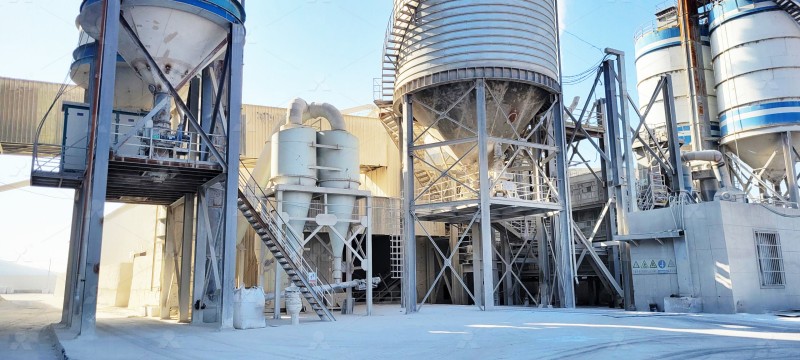
High capacity must be sustainable. The MW Ultrafine Grinding Mill is designed with maintenance in mind. Its unique feature of having no rolling bearings or screws in the grinding chamber eliminates common failure points. Furthermore, an external lubricating device allows for lubrication without shutdown, supporting continuous 24/7 operation that is necessary to achieve high annual tonnage.
Frequently Asked Questions (FAQ)
What is the most important factor in reaching 20 tph for limestone?
The single most important factor is selecting a mill with a designed capacity that exceeds your target, like the MW Ultrafine Grinding Mill (0.5-25 tph). This provides a built-in buffer and ensures the machine is not operating at its absolute limit, which promotes longevity and consistent performance.
Can I use a Raymond Mill to achieve 20 tph?
Typically, no. Standard Raymond Mills have a maximum capacity in the range of 5-10 tph for limestone. Attempting to push them to 20 tph would be highly inefficient, cause excessive wear, and likely not achieve the desired product fineness. A larger, more modern mill like the MW Series is the appropriate choice.
How does moisture content affect capacity?
High moisture content (generally above 5-6%) causes material to stick to the grinding components and internal walls, reducing grinding efficiency and increasing energy consumption. If your limestone is wet, a pre-drying system is a mandatory investment to reach high capacity goals.
Does the MW Mill require special foundations?
While the MW Mill is designed with stability in mind, it does require a solid, level concrete foundation as specified in our installation manuals. Our technical team provides full foundation drawings and support to ensure a correct and safe installation.