
Calcium Hydroxide Digestion Slag Pulverization: Process Optimization and Equipment Selection
We provide a wide range of mills — including Raymond mill, trapezoidal mill, vertical mill, ultrafine mill, and ball mill, obtained ISO9001 international quality certification, EU CE certification, and Customs Union CU-TR certification. Suitable for processing minerals such as limestone, phosphate, quicklime, kaolin, talc, barite, bentonite, calcium carbonate, dolomite, coal, gypsum, clay, carbon black, slag, cement raw materials, cement clinker, and more.
The discharge range of these mills can be adjusted to meet specific processing needs, typically from 80-400 mesh, 600-3250 mesh, and can achieve the finest particle size of up to 6000 mesh(D50).
If you are looking for a reliable grinding solution to turn stone or minerals into fine powder, please feel free to contact our online customer service.
Calcium Hydroxide Digestion Slag Pulverization: Process Optimization and Equipment Selection
The treatment and valorization of calcium hydroxide digestion slag, a by-product from various chemical and metallurgical processes, presents a significant opportunity for resource recovery and waste minimization. Effective pulverization is a critical step in transforming this material into a valuable resource for applications in construction, agriculture, and chemical industries. This article explores the key considerations for process optimization and the strategic selection of grinding equipment to achieve efficient and profitable slag recycling.
Understanding the Material and Pulverization Objectives
Calcium hydroxide digestion slag is characterized by its variable moisture content, abrasiveness, and often, a tendency to agglomerate. The primary goal of pulverization is to reduce the particle size to a specific fineness, typically ranging from 200 to 2500 meshes, depending on the final application. For instance, finer powders are required for use as a filler in plastics or as a soil amendment, while coarser grinds may suffice for construction aggregates. The process must be designed to handle the material’s specific characteristics, ensuring consistent product quality, high throughput, and minimal energy consumption.
Key Factors in Process Optimization
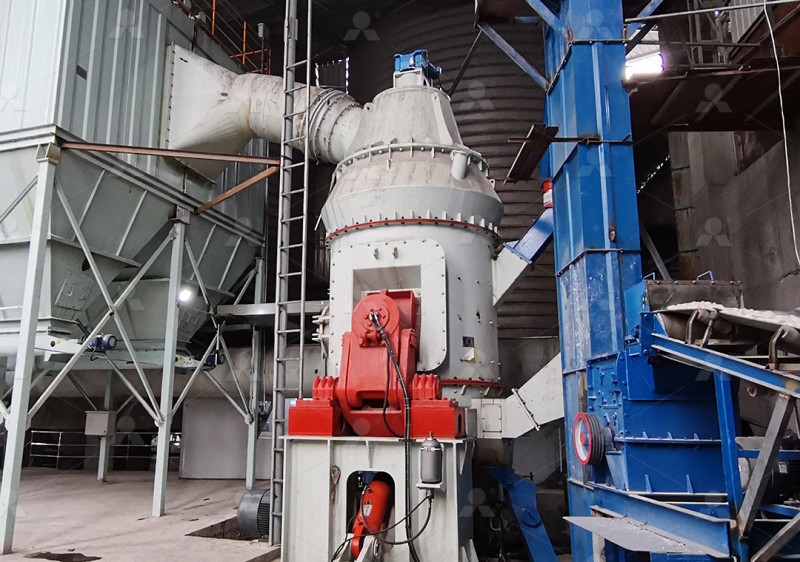
Optimizing the pulverization process involves a holistic approach that considers feeding, grinding, classification, and collection. A consistent and controlled feed rate is paramount to prevent mill overload or starvation, which can lead to inefficient grinding and increased wear. The grinding system must incorporate an efficient air classifier to ensure that only particles meeting the target fineness exit the mill, while oversize material is recirculated for further size reduction. This closed-circuit operation is essential for achieving a narrow particle size distribution and maximizing energy efficiency. Furthermore, integrating robust dust collection systems is non-negotiable for maintaining a clean working environment and complying with industrial health standards.
Strategic Equipment Selection: The MW Ultrafine Grinding Mill
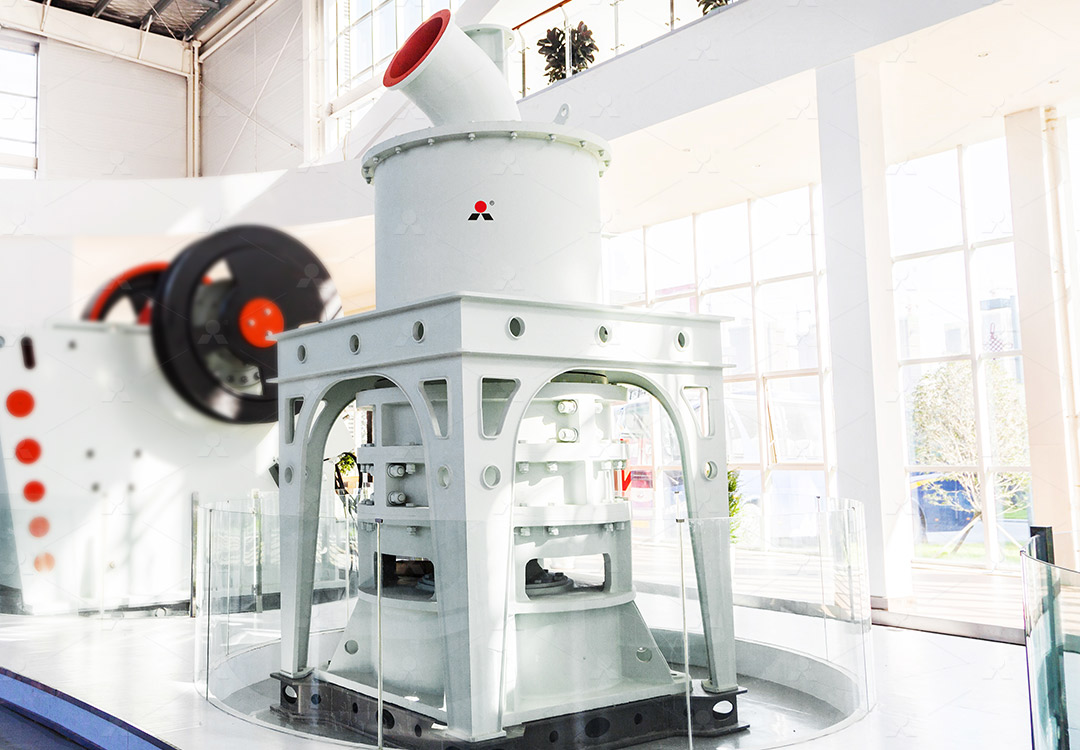
Selecting the right mill is the cornerstone of a successful slag pulverization operation. For applications requiring ultra-fine powders (325-2500 meshes) from a feed size of 0-20 mm, the MW Ultrafine Grinding Mill emerges as a superior choice. This machine is engineered for customers who need to produce high-quality ultra-fine powder efficiently.
The MW Mill’s design directly addresses the challenges of grinding abrasive materials like digestion slag. Its newly designed grinding curves for the roller and ring significantly enhance grinding efficiency. With a capacity range of 0.5 to 25 tph, it offers remarkable productivity, achieving 40% higher output than jet mills and double the yield of ball mills for the same power input, while reducing system energy consumption by 30%. A key feature for maintenance and reliability is the absence of rolling bearings and screws inside the grinding chamber, eliminating common failure points and enabling external lubrication without shutdown for continuous 24/7 operation.
Complementary Solutions for Diverse Needs
While the MW Mill excels in ultra-fine grinding, other scenarios may call for different technologies. For projects with a slightly smaller feed size (0-10 mm) and requiring high precision in a vertical mill configuration, the LUM Ultrafine Vertical Grinding Mill is an excellent alternative. It integrates grinding, grading, and transporting with advanced roller and powder separating technology, offering energy savings of 30%-50%. Its reversible structure simplifies maintenance, allowing for easy access to grinding components.
For larger-scale operations involving integrated crushing and grinding of feed sizes up to 70 mm, the LM Vertical Grinding Mill provides a comprehensive solution, reducing the occupational area by 50% and energy consumption by 30%-40% compared to traditional ball mills.
Conclusion
The effective pulverization of calcium hydroxide digestion slag is a technically demanding but economically rewarding endeavor. Success hinges on a well-optimized process and, most critically, the selection of grinding equipment that matches the material characteristics and production goals. The MW Ultrafine Grinding Mill, with its high efficiency, adjustable fineness, and robust, maintenance-friendly design, stands out as a premier solution for producing high-value ultra-fine powder from this industrial by-product.
Frequently Asked Questions (FAQ)
What is the typical moisture content that the MW Ultrafine Grinding Mill can handle?
The MW Mill is primarily designed for grinding dry materials. For slag with high moisture content, a pre-drying stage is recommended before feeding into the mill to ensure optimal grinding efficiency and prevent clogging.
How does the MW Mill achieve such a wide range of fineness (325-2500 meshes)?
The fineness is precisely controlled by a cage-type powder selector, which adopts German technology. The speed of the classifier can be adjusted to accurately cut the particle size, allowing for flexible production of powders with different specifications.
What are the main wear parts in the MW Mill, and what is their typical service life?
The primary wear parts are the grinding roller and grinding ring. Their service life depends heavily on the abrasiveness of the slag but they are manufactured from high-performance wear-resistant materials to ensure extended operational periods. Specific life expectancy can be provided based on a sample analysis.
Is the grinding process environmentally friendly?
Yes. The MW Ultrafine Grinding Mill is equipped with an efficient pulse dust collector and silencer, ensuring no dust pollution and low noise levels during operation, fully complying with national environmental protection standards.