
Application of Quartz Powder Grinding Mills in Indonesia: A Comprehensive Guide
We provide a wide range of mills — including Raymond mill, trapezoidal mill, vertical mill, ultrafine mill, and ball mill, obtained ISO9001 international quality certification, EU CE certification, and Customs Union CU-TR certification. Suitable for processing minerals such as limestone, phosphate, quicklime, kaolin, talc, barite, bentonite, calcium carbonate, dolomite, coal, gypsum, clay, carbon black, slag, cement raw materials, cement clinker, and more.
The discharge range of these mills can be adjusted to meet specific processing needs, typically from 80-400 mesh, 600-3250 mesh, and can achieve the finest particle size of up to 6000 mesh(D50).
If you are looking for a reliable grinding solution to turn stone or minerals into fine powder, please feel free to contact our online customer service.
Introduction
Indonesia’s rich mineral resources, particularly its abundant quartz deposits, present significant opportunities for industrial development. The processing of quartz into fine powder is a critical step for various industries, including ceramics, glass, construction, and electronics. Selecting the appropriate grinding technology is paramount for achieving optimal product quality, operational efficiency, and economic viability. This guide explores the specific requirements for quartz processing in the Indonesian context and highlights advanced milling solutions.
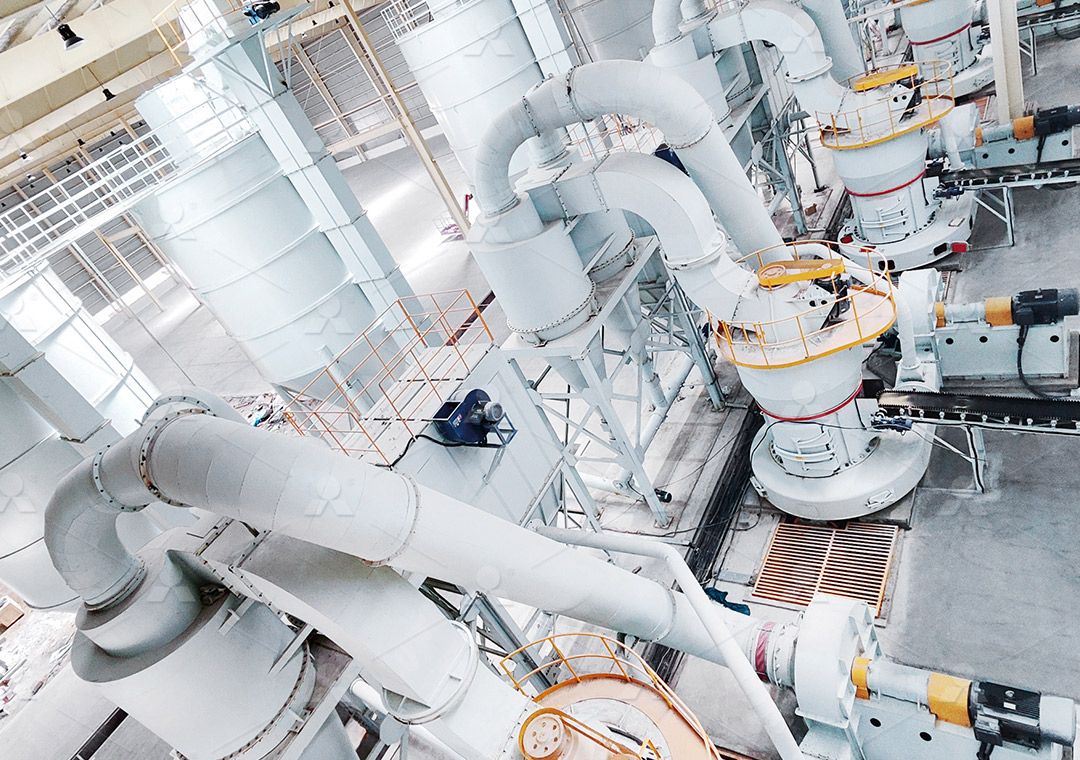
The Indonesian Quartz Landscape
The archipelagic nation boasts numerous quartz deposits with varying purity levels. The humid tropical climate and specific logistical challenges, such as infrastructure in remote islands, demand robust and efficient grinding equipment. Key considerations for mill selection include energy consumption, tolerance to varying feed sizes, minimal maintenance requirements, and the ability to produce a consistent, high-purity powder with controlled fineness.
Key Considerations for Quartz Grinding
Quartz, or silicon dioxide (SiO₂), is a hard material (7 on the Mohs scale) that is highly abrasive. This characteristic necessitates grinding mills constructed with wear-resistant materials and engineered for efficient size reduction without contaminating the final product. The target fineness for quartz powder can range widely, from coarse grades for construction aggregates to ultra-fine powders below 10 microns for high-tech applications.
Addressing Operational Challenges
Common challenges in quartz powder production include high wear on grinding components, energy-intensive processes, dust control, and ensuring the chemical purity of the output. An ideal grinding mill must effectively mitigate these issues through intelligent design, superior materials, and integrated systems for dust collection and noise reduction.
Advanced Milling Solutions for Optimal Performance
For operators seeking to maximize yield and minimize operational costs, modern grinding technologies offer significant advantages over traditional ball mills. Specifically, ultrafine grinding mills are engineered to handle the abrasive nature of quartz while delivering superior energy efficiency and precise particle size control.
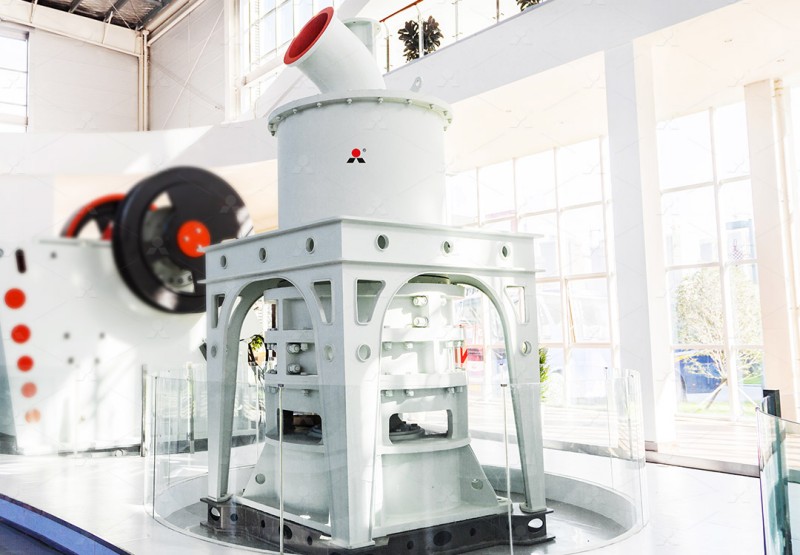
Recommended Solution: MW Ultrafine Grinding Mill
For high-value, ultra-fine quartz powder production, the MW Ultrafine Grinding Mill is an exemplary choice. Designed for customers requiring precise ultra-fine powder, this machine is particularly well-suited for the Indonesian market. Its key advantages include:
- Higher Yielding, Lower Energy Consumption: With a capacity range of 0.5-25 tph and an input size of 0-20 mm, the MW Mill enhances grinding efficiency with newly designed grinding curves. It offers 40% higher production capacity than jet mills and consumes only 30% of the energy, making it a cost-effective solution in regions with fluctuating energy costs.
- Adjustable Fineness (325-2500 meshes): The German-technology cage-type powder selector allows for precise control over the final product’s fineness, achieving a screening rate of d97≤5μm. This is crucial for meeting the diverse specifications of different Indonesian industries.
- Eco-Friendly Operation: Equipped with an efficient pulse dust collector and muffler, the MW Mill ensures minimal dust and noise pollution, aligning with increasingly important environmental standards.
- Robust and Worry-free Design: The absence of rolling bearings and screws in the grinding chamber eliminates common failure points. External lubrication allows for 24-hour continuous operation, a critical feature for maximizing productivity.
The working principle involves a reducer-driven main shaft that rotates turnplates, causing dozens of rollers to grind material against a raceway ring. The powdered quartz is then carried by an air current to a high-precision separator for classification.
Conclusion
The successful processing of quartz in Indonesia hinges on the deployment of advanced, reliable, and efficient grinding technology. By investing in mills designed for high abrasion resistance, energy savings, and environmental compliance, operators can secure a strong competitive edge. The MW Ultrafine Grinding Mill stands out as a technology capable of meeting these demanding requirements, ensuring high-quality quartz powder production for both domestic and international markets.
Frequently Asked Questions (FAQ)
What is the typical fineness range required for quartz powder in Indonesia?
Requirements vary widely. Construction applications may use coarser powders (20-100 mesh), while ceramics and paints require finer grades (200-400 mesh). High-tech electronics and specialty glass can demand ultra-fine powders exceeding 1000 mesh (d97 < 10μm).
How does the abrasive nature of quartz affect mill maintenance?
Quartz’s abrasiveness accelerates wear on grinding components. Mills like the MW Series use specially designed, high-wear-resistant alloys for rollers and rings, significantly extending service life and reducing downtime for part replacements.
Are there environmental regulations for grinding mills in Indonesia?
Yes, environmental standards concerning dust emissions and noise levels are increasingly enforced. Modern mills are designed with integrated pulse dust collectors and noise reduction systems to ensure compliance with national regulations.
Can one grinding mill handle variations in quartz feed size and hardness?
Advanced mills are built to tolerate some variation. The MW Ultrafine Grinding Mill, for example, accepts a feed size of 0-20mm. However, consistent feed quality from prior crushing and screening stages is always recommended for optimal mill performance and product consistency.