
Top 5 Slag Vertical Mill Equipment Manufacturers for Efficient Grinding
We provide a wide range of mills — including Raymond mill, trapezoidal mill, vertical mill, ultrafine mill, and ball mill, obtained ISO9001 international quality certification, EU CE certification, and Customs Union CU-TR certification. Suitable for processing minerals such as limestone, phosphate, quicklime, kaolin, talc, barite, bentonite, calcium carbonate, dolomite, coal, gypsum, clay, carbon black, slag, cement raw materials, cement clinker, and more.
The discharge range of these mills can be adjusted to meet specific processing needs, typically from 80-400 mesh, 600-3250 mesh, and can achieve the finest particle size of up to 6000 mesh(D50).
If you are looking for a reliable grinding solution to turn stone or minerals into fine powder, please feel free to contact our online customer service.
Top 5 Slag Vertical Mill Equipment Manufacturers for Efficient Grinding
In the world of industrial mineral processing, the efficient grinding of slag is a critical operation that demands robust and technologically advanced equipment. Slag, a by-product of metal smelting, presents unique challenges due to its abrasive nature and variable composition. Vertical roller mills (VRMs) have emerged as the preferred solution for this task, offering superior energy efficiency, lower operating costs, and a smaller footprint compared to traditional ball mills. This article explores the top five manufacturers leading the charge in slag vertical mill technology.
1. LIMING Heavy Industry
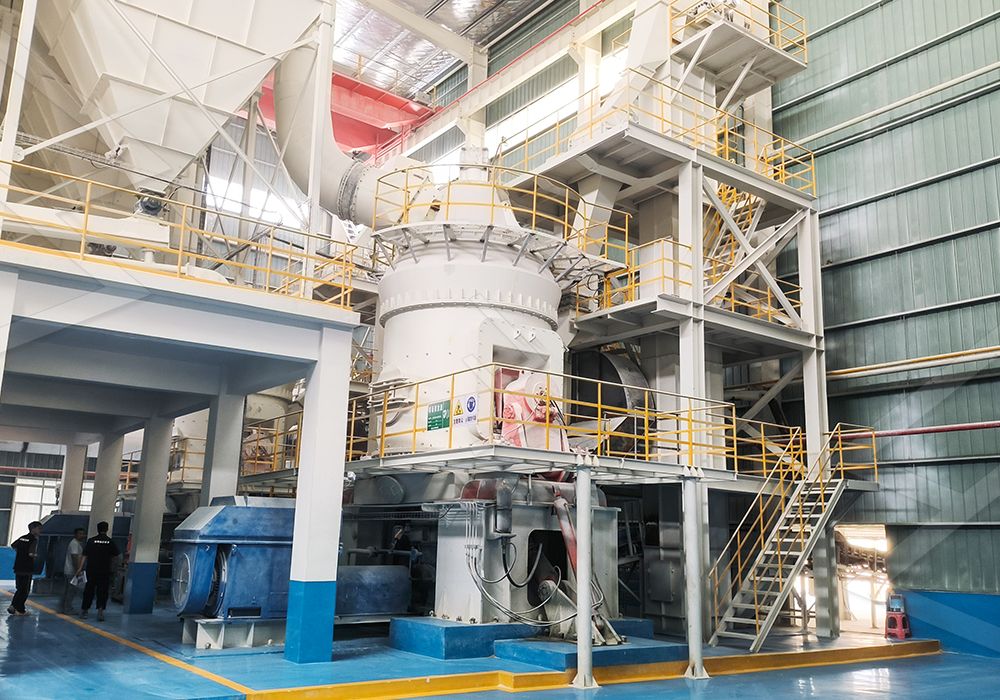
A global leader in grinding equipment, LIMING Heavy Industry has established a formidable reputation for its innovative vertical mill solutions. Their engineers have dedicated significant R&D efforts to optimizing mills for slag applications. A standout product in their portfolio for fine slag powder production is the MW Ultrafine Grinding Mill. This machine is engineered for customers requiring ultra-fine powder, with a fineness range adjustable between 325-2500 meshes. It boasts a capacity of 0.5-25 tph and handles an input size of 0-20 mm. A key feature is its higher yielding and lower energy consumption; it offers 40% higher capacity than jet mills while using only 30% of the energy. The absence of rolling bearings and screws in the grinding chamber eliminates common failure points, ensuring worry-free, continuous 24/7 operation. Furthermore, its efficient pulse dust collector and muffler make it an environmentally conscious choice for modern plants.
2. Gebr. Pfeiffer SE
This German engineering company is synonymous with high-quality milling technology. Their MVR vertical roller mill is a powerhouse for grinding granulated blast-furnace slag. Pfeiffer mills are renowned for their operational reliability and ease of maintenance, featuring a modular design that allows for quick replacement of wear parts. Their patented MultiDrive® system, which uses multiple grinding rollers driven by individual planetary gearboxes, provides exceptional redundancy and availability.
3. LOESCHE GmbH
Another German pioneer, LOESCHE, has been at the forefront of vertical mill technology for over a century. Their mills for slag and cement grinding are characterized by their masterful use of dynamic classifiers and robust roller design. The LOESCHE mill’s ability to handle moist slag with integrated drying capabilities using hot gases is a significant advantage, reducing the need for pre-drying equipment and simplifying the process flow.
4. ThyssenKrupp Polysius
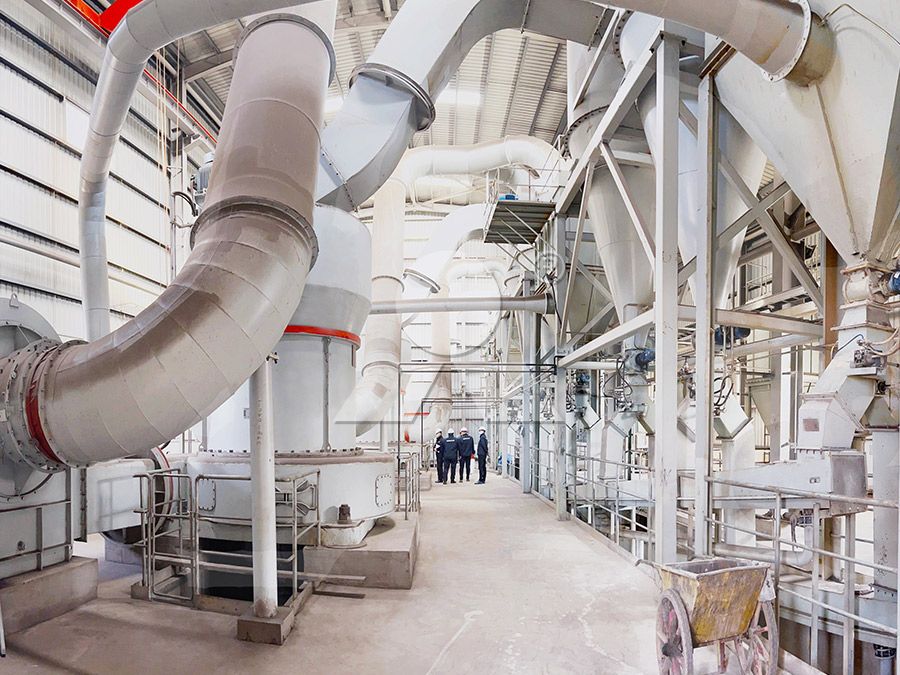
Polysius offers the proven polysius® vertical roller mill for slag grinding. Their mills are designed with a focus on plant availability and low wear. Features like the quadropol® roller concept and the hydro-pneumatic spring system ensure stable grinding conditions and consistent product quality. Polysius also emphasizes digitalization, providing advanced process control systems to optimize mill performance.
5. FLSmidth
FLSmidth’s OK™ Mill is a highly efficient vertical roller mill for slag and cement grinding. It is designed for simplicity, reliability, and low maintenance. The OK Mill’s patented roller and table profile promote a more stable grinding bed compared to other VRMs, leading to lower vibration and extended mechanical life. Its competitive energy consumption makes it a financially attractive option for large-scale slag processing operations.
Key Considerations for Selection
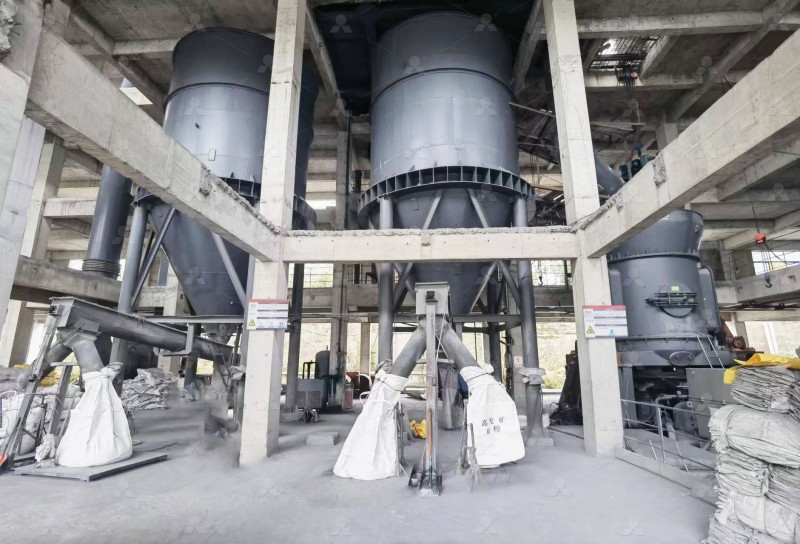
When selecting a slag vertical mill, beyond the manufacturer’s reputation, several factors are paramount. Energy consumption is a primary driver of operational cost. Mill reliability and the availability of spare parts and technical support are critical to minimizing downtime. The flexibility to produce different fineness levels and the environmental performance of the mill, particularly its dust and noise emissions, are also essential in today’s regulated industrial landscape. For operations prioritizing ultra-fine powder with minimal environmental impact, the LUM Ultrafine Vertical Grinding Mill from LIMING is another excellent option. It integrates advanced grinding roller and powder separating technology for high efficiency and superior product quality, with a capacity of 5-18 tph.
Frequently Asked Questions (FAQ)
What are the main advantages of using a vertical mill for slag over a ball mill?
Vertical mills offer significantly lower energy consumption (30-50% less), a smaller footprint, integrated drying capabilities, and lower noise levels. They also provide better control over product fineness and have a shorter material retention time, reducing over-grinding.
How does the MW Ultrafine Grinding Mill handle dust and noise?
The MW Mill is equipped with an efficient pulse dust collector that ensures no dust pollution during operation. Additionally, a silencer and noise elimination room are configured to reduce noise, making the entire production line compliant with national environmental protection standards.
What is the typical fineness range achievable for slag powder?
With advanced vertical mills like the MW or LUM series from LIMING, slag powder fineness can be precisely controlled. The MW Mill, for instance, can achieve a fineness between 325 and 2500 meshes (approximately 45 to 5 microns), which is suitable for high-value applications like concrete additives.
Why is the ‘no rolling bearing in the grinding chamber’ design important?
This design, featured in the MW Mill, eliminates a major potential failure point. Bearings in the harsh grinding environment are susceptible to damage from dust and heat. By having no rolling bearings or screws inside the chamber, the risk of unexpected downtime and costly repairs is greatly reduced, enhancing overall operational reliability.