
The Role of Phosphate Rock Powder in Modern Agriculture: Enhancing Soil Fertility and Crop Yields
We provide a wide range of mills — including Raymond mill, trapezoidal mill, vertical mill, ultrafine mill, and ball mill, obtained ISO9001 international quality certification, EU CE certification, and Customs Union CU-TR certification. Suitable for processing minerals such as limestone, phosphate, quicklime, kaolin, talc, barite, bentonite, calcium carbonate, dolomite, coal, gypsum, clay, carbon black, slag, cement raw materials, cement clinker, and more.
The discharge range of these mills can be adjusted to meet specific processing needs, typically from 80-400 mesh, 600-3250 mesh, and can achieve the finest particle size of up to 6000 mesh(D50).
If you are looking for a reliable grinding solution to turn stone or minerals into fine powder, please feel free to contact our online customer service.
The Role of Phosphate Rock Powder in Modern Agriculture: Enhancing Soil Fertility and Crop Yields
In the quest for sustainable agricultural practices that can support a growing global population, the strategic use of natural soil amendments has gained significant traction. Among these, phosphate rock powder stands out as a cornerstone for improving soil health and boosting crop productivity. This finely ground mineral resource provides a slow-release source of phosphorus, a critical macronutrient essential for energy transfer, photosynthesis, and root development in plants.
Understanding the Agricultural Value of Phosphate Rock
Phosphate rock, when properly processed into a fine powder, becomes readily available for plant uptake through natural soil processes. Unlike water-soluble phosphate fertilizers that can leach into waterways or become fixed in soil, phosphate rock powder offers a more controlled release mechanism. This characteristic makes it particularly valuable in acidic soils where the gradual dissolution of the mineral aligns with crop nutrient demands throughout the growing season.
The effectiveness of phosphate rock powder depends significantly on its fineness and chemical reactivity. Finer particles have greater surface area, allowing for enhanced interaction with soil acids and microorganisms that facilitate phosphorus release. This is where advanced milling technology becomes crucial for transforming raw phosphate rock into an agriculturally effective product.
The Critical Importance of Particle Size in Agricultural Applications
Research consistently demonstrates that the particle size distribution of phosphate rock powder directly influences its agronomic effectiveness. Particles finer than 100 mesh (150μm) show substantially improved solubility and plant availability. For optimal results, many agricultural experts recommend powders with at least 80-90% of particles passing through a 100-mesh screen.
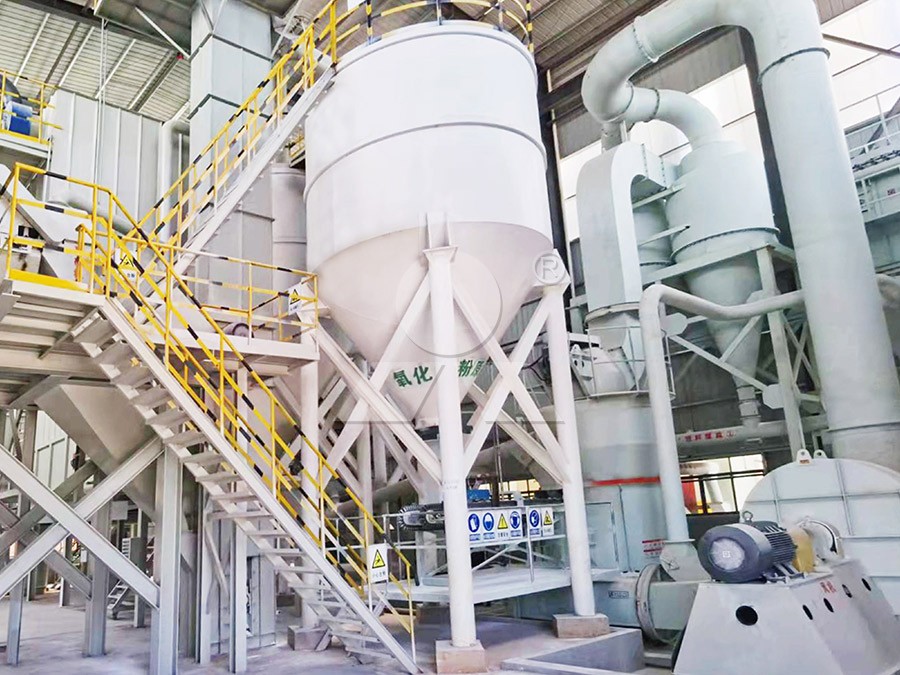
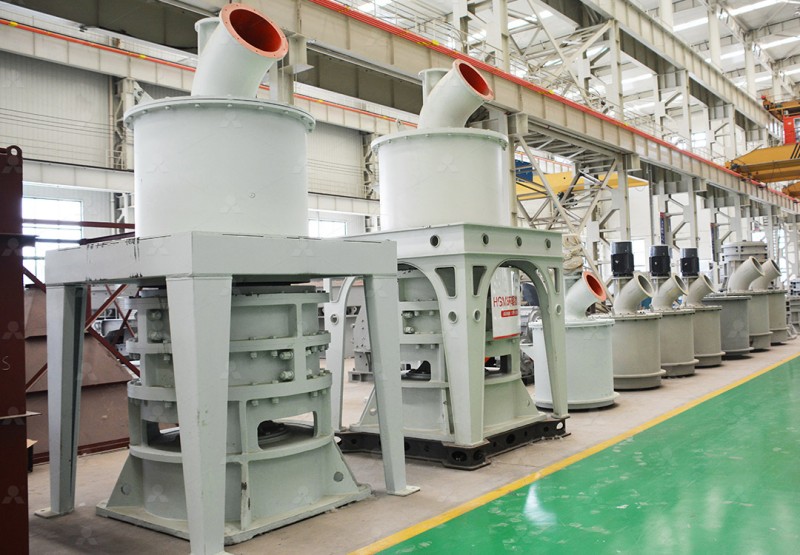
Our MW Ultrafine Grinding Mill represents a technological breakthrough in producing precisely these required particle specifications. With its ability to produce powders adjustable between 325-2500 meshes, this equipment ensures that phosphate rock reaches its maximum agricultural potential. The mill’s innovative design features higher yielding capacity with lower energy consumption—producing 40% higher capacity than jet grinding mills while using only 30% of the energy. For agricultural operations requiring consistent, high-quality phosphate powder, this grinding solution offers unparalleled efficiency.
Soil Amendment Benefits Beyond Phosphorus Supply
The application of phosphate rock powder provides secondary benefits that contribute to overall soil health. As a natural mineral product, it contains trace elements that are often depleted in intensively farmed soils. These micronutrients, including calcium, magnesium, and various trace metals, support balanced plant nutrition and improve soil structure.
Additionally, phosphate rock powder can help buffer soil pH in acidic conditions, reducing aluminum toxicity that inhibits root growth. The gradual nature of its nutrient release aligns with sustainable farming principles, minimizing environmental impact while supporting long-term soil fertility.
Integration with Modern Farming Systems
Contemporary agricultural operations can incorporate phosphate rock powder through various application methods. It can be broadcast before tillage, banded near seed rows, or blended with other organic amendments. The flexibility of application timing—from pre-planting to side-dressing—makes it compatible with diverse cropping systems and management practices.
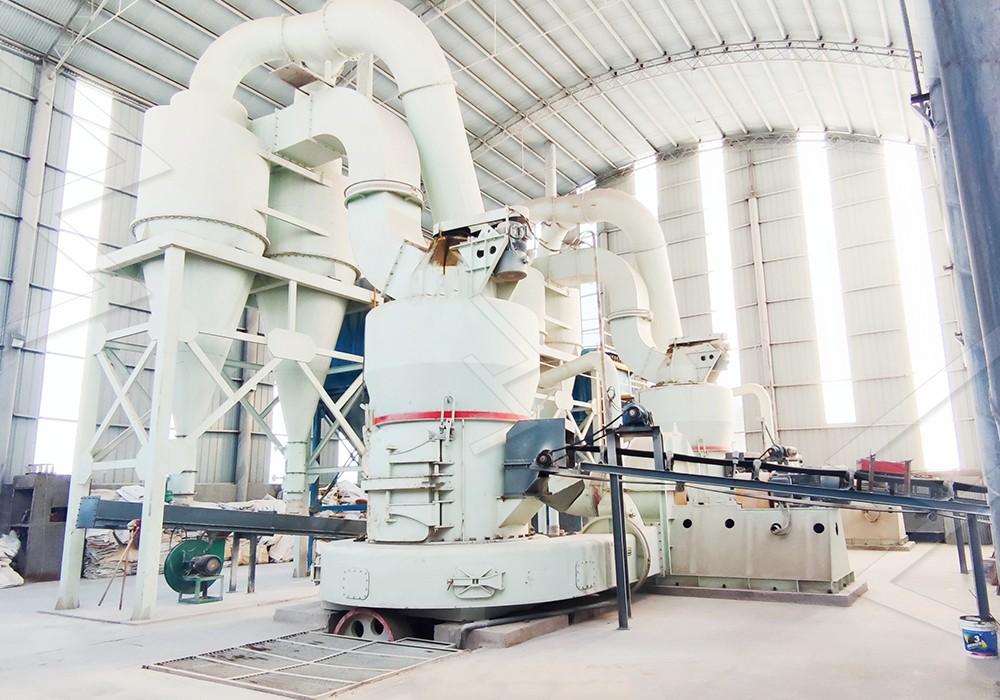
For larger agricultural enterprises or specialized fertilizer producers, our LUM Ultrafine Vertical Grinding Mill offers another excellent solution for processing phosphate materials. With its higher yielding rate and better quality output, this mill integrates ultrafine powder grinding, grading, and transporting in a single system. The LUM mill’s energy-saving multi-head powder separating technology reduces energy consumption by 30%-50% compared to conventional mills, making it an economically and environmentally sound choice for high-volume production.
Environmental Considerations and Sustainability
The use of phosphate rock powder aligns with principles of circular economy and sustainable resource management. By utilizing a naturally occurring mineral with minimal chemical processing, farmers can reduce their reliance on energy-intensive synthetic fertilizers. Both the MW and LUM grinding mills feature advanced dust collection systems and noise reduction technologies, ensuring that the production process itself meets stringent environmental standards.
Frequently Asked Questions
How quickly does phosphate rock powder become available to plants?
The availability depends on soil pH, moisture, and microbial activity. In acidic soils (pH < 6.0), significant phosphorus release typically occurs within 2-3 months, providing nutrients throughout the growing season.
What application rates are recommended for different crops?
Rates vary by crop phosphorus requirements and soil test levels. Generally, 1-2 tons per hectare provides sufficient phosphorus for most annual crops, while perennial crops may benefit from higher applications.
Can phosphate rock powder be used in combination with other fertilizers?
Yes, it complements both organic and conventional fertilization programs. It’s particularly effective when combined with nitrogen sources and organic matter to support balanced nutrient management.
How does particle size affect the effectiveness of phosphate rock powder?
Finer particles (typically < 100 mesh) have greater surface area, leading to faster dissolution and improved plant availability. Our grinding mills specifically optimize for these particle size requirements.
Is phosphate rock powder suitable for all soil types?
It’s most effective in acidic to neutral soils. In alkaline conditions (pH > 7.0), solubility decreases significantly, limiting phosphorus availability.