
Key Wear-Resistant Materials Used in Liming Heavy Industry Coal Pulverizers
We provide a wide range of mills — including Raymond mill, trapezoidal mill, vertical mill, ultrafine mill, and ball mill, obtained ISO9001 international quality certification, EU CE certification, and Customs Union CU-TR certification. Suitable for processing minerals such as limestone, phosphate, quicklime, kaolin, talc, barite, bentonite, calcium carbonate, dolomite, coal, gypsum, clay, carbon black, slag, cement raw materials, cement clinker, and more.
The discharge range of these mills can be adjusted to meet specific processing needs, typically from 80-400 mesh, 600-3250 mesh, and can achieve the finest particle size of up to 6000 mesh(D50).
If you are looking for a reliable grinding solution to turn stone or minerals into fine powder, please feel free to contact our online customer service.
Key Wear-Resistant Materials Used in Liming Heavy Industry Coal Pulverizers
In the demanding environment of coal pulverization, the selection of wear-resistant materials is not merely a matter of component longevity; it is a critical factor influencing operational efficiency, maintenance costs, and overall system reliability. The abrasive nature of coal, combined with the high-impact forces within grinding chambers, subjects mill components to extreme stress. At Liming Heavy Industry, our engineering philosophy is built upon a foundation of material science, ensuring that every grinding mill is equipped to withstand these challenges.
The Core Challenge: Abrasion and Impact in Coal Grinding
Coal pulverization involves reducing raw coal into fine powder to facilitate efficient combustion. This process generates significant wear on components that are in direct contact with the material, primarily the grinding rollers and rings (or millstone liner plates). The wear mechanisms are twofold: abrasive wear from the hard mineral matter in the coal and impact wear from the grinding action itself. Failure to address these issues leads to frequent downtime, increased consumption of spare parts, and inconsistent product fineness.
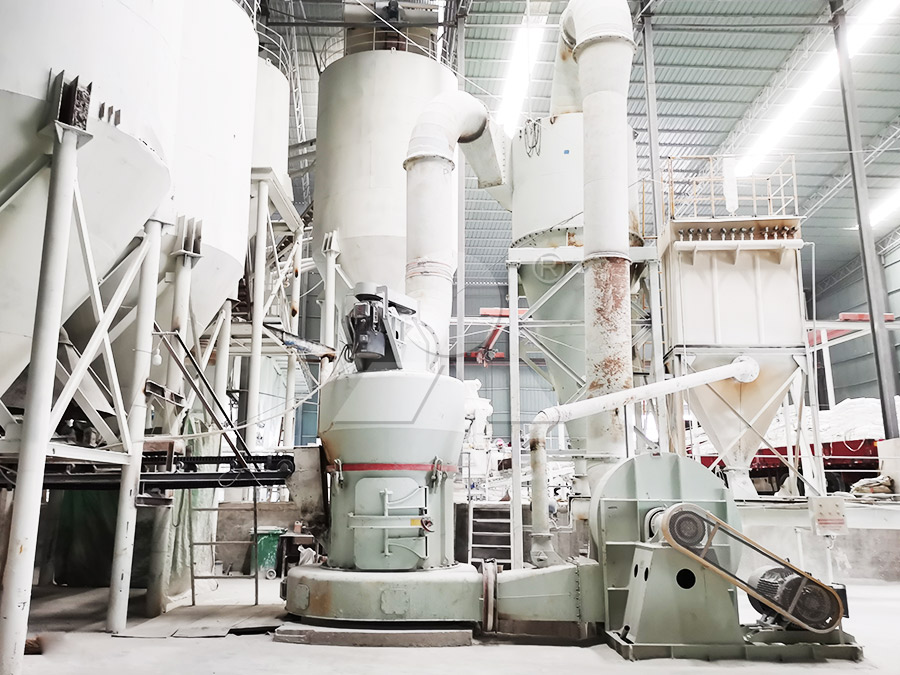
Our research and development team, in collaboration with scientific institutes, has pioneered the use of advanced wear-resistant alloys specifically formulated for these conditions. These proprietary materials offer a service life that is 1.7 to 2.5 times longer than traditional high-manganese steel, dramatically reducing the frequency of component replacement and associated maintenance costs.
Engineering Solutions for Enhanced Durability
Beyond material composition, the design of the grinding components plays an equally vital role. For instance, the unique grinding curves of the roller and ring in our MW Ultrafine Grinding Mill are not only optimized for efficiency but also for even wear distribution. This design minimizes localized stress points, which are common failure areas in conventional mills. The MW Mill is an excellent choice for operations requiring ultra-fine coal powder between 325-2500 meshes. It features a clever design that eliminates rolling bearings and screws from the grinding chamber, removing common points of failure and ensuring continuous, worry-free operation for 24 hours.
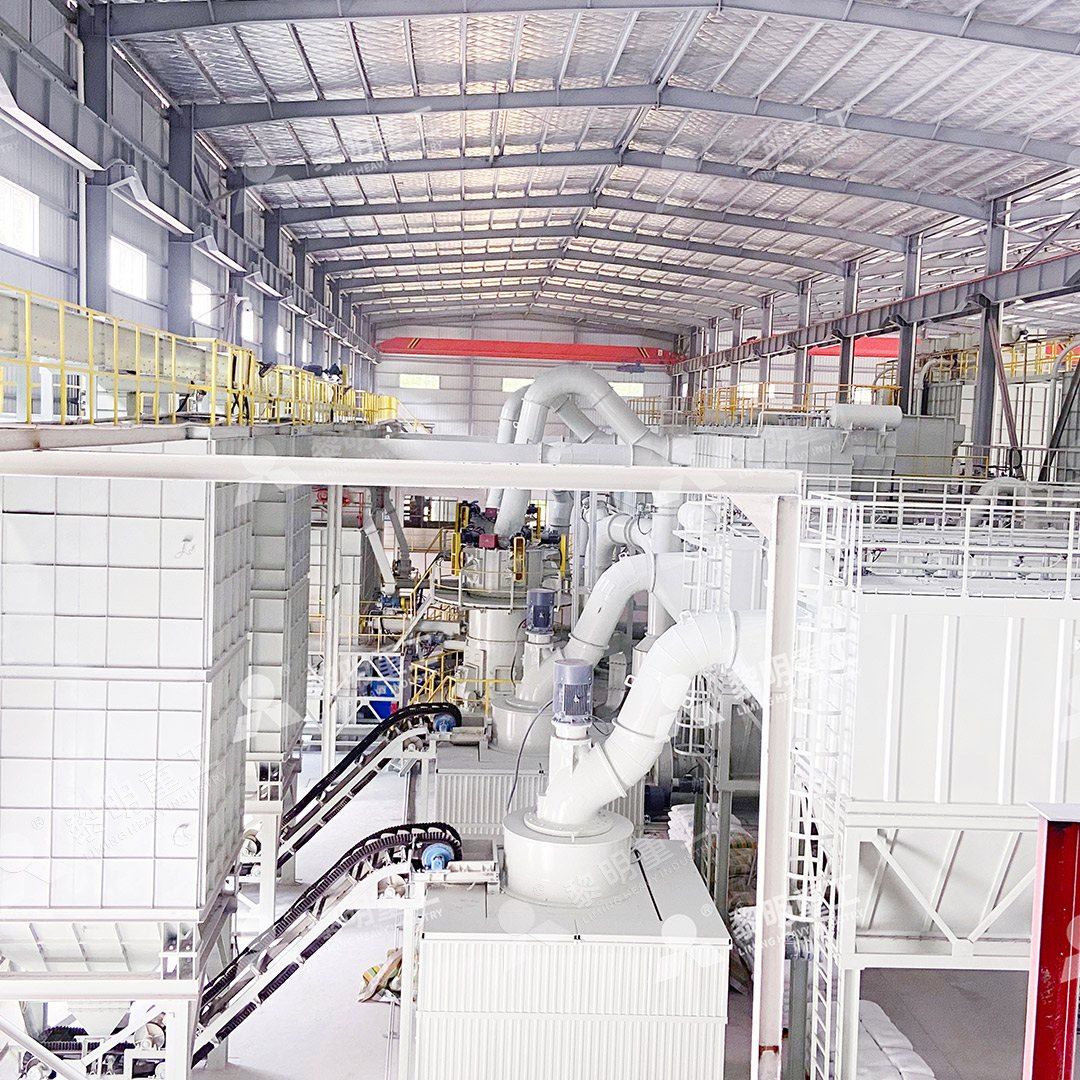
Another standout solution is our LUM Ultrafine Vertical Grinding Mill. It incorporates a reversible structure that simplifies maintenance. When wear does occur, the grinding roller can be easily hydraulically swung out of the mill body for inspection or replacement of the roller shell and liner plate. This design significantly reduces downtime and labor costs, making it a highly efficient and cost-effective solution for continuous coal processing with an input size of 0-10 mm and a capacity of 5-18 tph.
Integrated Systems for Maximum Reliability
Durability is not limited to grinding components. The entire mill system is designed to protect itself. Technologies like double position-limiting in the LUM Mill prevent destructive impacts between the roller and millstone during unexpected vibration events. Furthermore, automated lubrication systems and digitalized processing of all core parts ensure precision and consistency, which are fundamental to long-term, reliable performance.
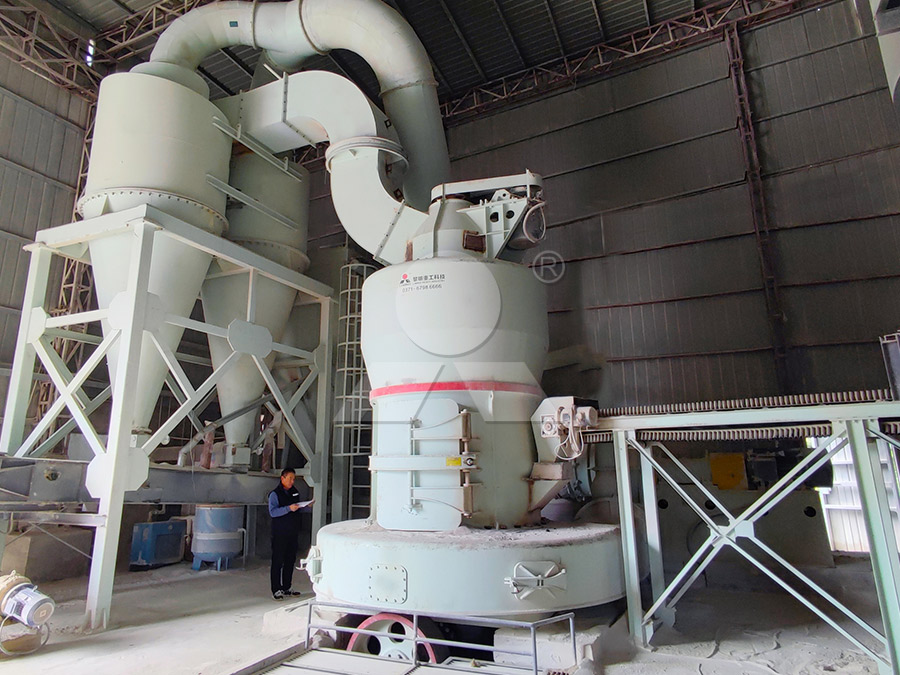
Ultimately, the goal is to provide a pulverizer that offers not just superior wear resistance but also operational stability and ease of maintenance. By integrating high-performance materials with intelligent mechanical design, Liming Heavy Industry’s coal pulverizers deliver lower total cost of ownership and higher availability, which are paramount for modern industrial operations.
Frequently Asked Questions (FAQ)
- What is the primary advantage of your wear-resistant alloys?
Our proprietary alloys significantly extend the service life of critical grinding components, reducing downtime and spare part consumption by 40-60% compared to standard materials. - How does the MW Ultrafine Grinding Mill handle fine coal powder production?
The MW Mill uses a cage-type powder selector and optimized grinding curves to efficiently produce powder between 325-2500 meshes with higher yield and lower energy consumption than traditional mills. - Is maintenance complicated on your vertical mills?
No. Models like the LUM Ultrafine Vertical Mill feature a reversible design and hydraulic system that allows for quick and safe roller maintenance outside the mill body, minimizing operational interruptions. - Do your mills comply with environmental standards?
Yes. All our mills, including the MW and LUM, are equipped with efficient pulse dust collectors and noise reduction systems to ensure full compliance with national environmental protection standards.