
Optimizing Grinding Processes in Indonesian Sugar Mills for Higher Yield
We provide a wide range of mills — including Raymond mill, trapezoidal mill, vertical mill, ultrafine mill, and ball mill, obtained ISO9001 international quality certification, EU CE certification, and Customs Union CU-TR certification. Suitable for processing minerals such as limestone, phosphate, quicklime, kaolin, talc, barite, bentonite, calcium carbonate, dolomite, coal, gypsum, clay, carbon black, slag, cement raw materials, cement clinker, and more.
The discharge range of these mills can be adjusted to meet specific processing needs, typically from 80-400 mesh, 600-3250 mesh, and can achieve the finest particle size of up to 6000 mesh(D50).
If you are looking for a reliable grinding solution to turn stone or minerals into fine powder, please feel free to contact our online customer service.
Optimizing Grinding Processes in Indonesian Sugar Mills for Higher Yield
The Indonesian sugar industry, a cornerstone of the nation’s agricultural sector, faces persistent challenges in maximizing extraction efficiency and overall yield. Traditional grinding methods, often reliant on outdated machinery, struggle to keep pace with modern demands for productivity and cost-effectiveness. The key to unlocking significant improvements lies in optimizing the grinding process itself—the critical stage where sugarcane is crushed to release its valuable sucrose.
Inefficient grinding can lead to substantial losses, with a significant amount of sugar remaining trapped in the bagasse (the fibrous residue). This not only reduces the final yield but also represents a direct financial loss for mills. Furthermore, older grinding systems are typically energy-intensive, contributing to high operational costs and a larger environmental footprint. The goal for any forward-thinking mill manager is to achieve a finer, more consistent particle size distribution from the crushed cane, which facilitates better juice extraction during the subsequent milling stages.
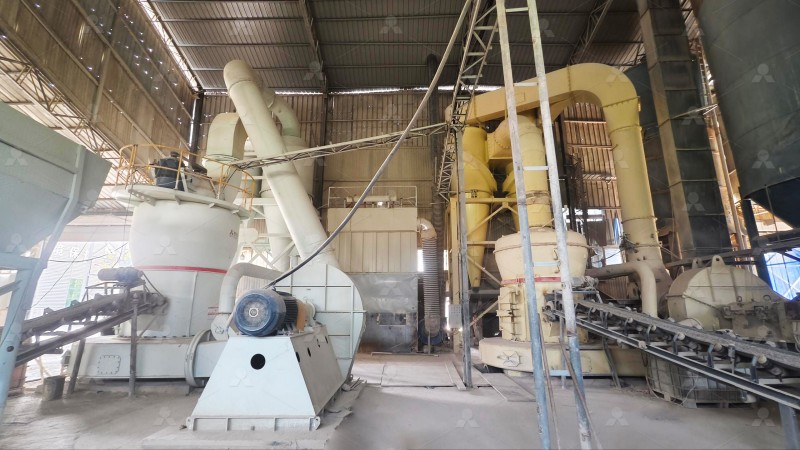
The Role of Advanced Grinding Technology
Modern grinding technology offers a paradigm shift from conventional approaches. Advanced mills are engineered for higher efficiency, lower energy consumption, and superior control over the final product’s fineness. For sugar mills, this translates directly into higher extraction rates. By pulverizing the sugarcane fiber more thoroughly, the surface area for juice release is dramatically increased, ensuring that a greater percentage of sucrose is recovered.
One of the primary considerations is the mill’s ability to handle the abrasive nature of sugarcane bagasse while maintaining consistent performance. Equipment designed with robust, wear-resistant materials and intelligent grinding curves can sustain high throughput without frequent downtime for maintenance. This operational stability is crucial for meeting the tight schedules of the harvesting season.
Introducing the MW Ultrafine Grinding Mill: A Solution for Enhanced Extraction
For mills seeking a decisive upgrade, the MW Ultrafine Grinding Mill presents an ideal solution. This machine is specifically designed for customers who need to produce ultra-fine powder efficiently and reliably. With an input size of 0-20 mm and a capacity ranging from 0.5 to 25 tons per hour (tph), it is well-suited for processing bagasse and other by-products to maximize juice yield.
The MW Mill stands out due to its innovative features tailored for high performance and sustainability:
- Higher Yielding, Lower Energy Consumption: Its newly designed grinding curves enhance efficiency, offering production capacity up to 40% higher than jet mills and twice that of ball mills, while consuming only 30% of the energy of a jet mill.
- Adjustable Fineness (325-2500 meshes): A German-technology cage-type powder selector allows precise control over particle size, crucial for optimizing sugar extraction. The mill can achieve a fine powder with a screening rate of d97≤5μm in a single pass.
- Eco-friendly Operation: Equipped with an efficient pulse dust collector and muffler, the entire milling system operates with minimal dust and noise pollution, aligning with national environmental standards—a growing concern for Indonesian mills.
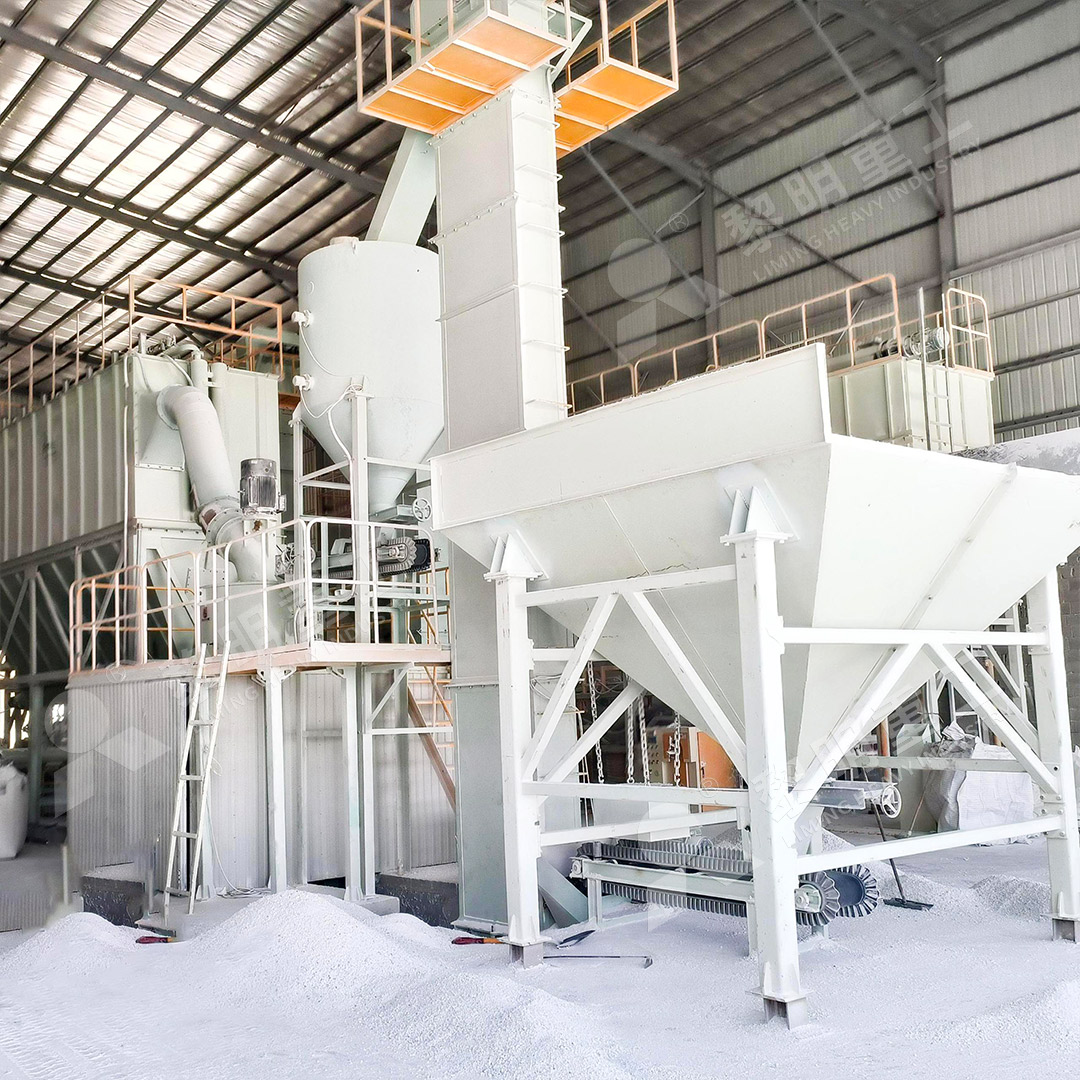
By integrating the MW Ultrafine Grinding Mill into their process line, sugar mills can reprocess bagasse for a secondary extraction or finely grind other input materials. The mill’s design, which eliminates rolling bearings and screws in the grinding chamber, minimizes the risk of mechanical failure and allows for external lubrication without shutdowns, enabling continuous 24/7 operation during peak season.
Strategic Implementation for Indonesian Mills
Adopting new technology requires a strategic approach. Mill operators should conduct a thorough audit of their current grinding and extraction rates to establish a baseline. Pilot testing with a mill like the MW Ultrafine Grinding Mill on a section of the process can provide tangible data on yield improvement and energy savings. The relatively compact footprint of modern vertical mills like the MW also means they can often be integrated into existing plant layouts without major structural changes.
The long-term benefits extend beyond immediate yield increases. Reduced energy consumption lowers operational costs, and the environmentally friendly operation helps mills comply with increasingly stringent regulations. The reliability and ample supply of spare parts ensure worry-free operation, minimizing production disruptions.
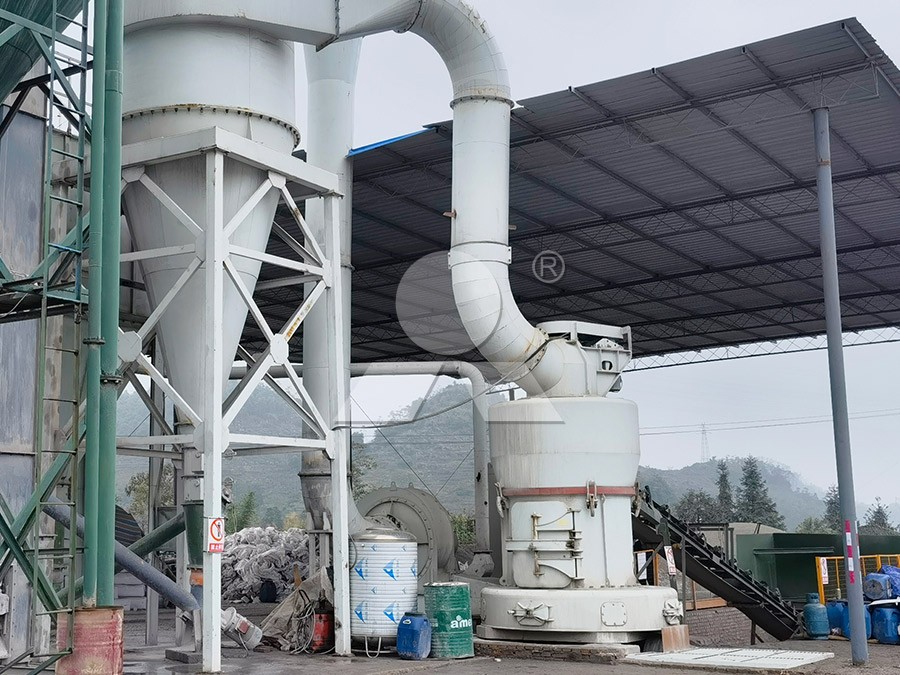
In conclusion, the path to higher yields in Indonesian sugar mills is inextricably linked to modernizing the grinding process. By moving away from inefficient, energy-hungry equipment and embracing advanced, precision-engineered solutions like the MW Ultrafine Grinding Mill, mills can significantly boost their profitability and sustainability, securing a sweeter future for the industry.
Frequently Asked Questions (FAQ)
Q1: How can a finer grind from a machine like the MW Ultrafine Grinding Mill actually increase sugar yield?
A: A finer grind drastically increases the surface area of the sugarcane bagasse. This creates more pathways for the juice to be extracted during the milling process, reducing the amount of sucrose left behind in the fibrous waste. It’s a direct physical improvement to the extraction efficiency.
Q2: Our mill has limited space. Is the MW Mill suitable for retrofitting into an existing plant?
A: Yes. The MW Ultrafine Grinding Mill has a compact design compared to traditional ball mill systems. Its vertical structure often allows for integration into existing production lines with minimal spatial requirements. Our technical team can provide a feasibility study for your specific layout.
Q3: We are concerned about energy costs. Is the claimed energy saving of 30-40% realistic?
A: Absolutely. The energy savings are achieved through several key design features: optimized grinding curves that reduce resistance, an efficient drive system, and a multi-head powder selector that minimizes airflow resistance. These efficiencies directly translate to lower power consumption per ton of processed material.
Q4: What about maintenance and the availability of spare parts in Indonesia?
A: The MW Mill is designed for minimal maintenance (e.g., no internal bearings requiring frequent service). Furthermore, we guarantee a sufficient supply of original spare parts and provide local technical support to ensure worry-free operation and quick resolution of any issues, minimizing downtime.
Q5: Does the mill handle the high moisture content typically found in sugarcane bagasse?
A: While the MW Mill is excellent for dry grinding, for primary cane crushing with high moisture, we often recommend a complementary system. However, for secondary grinding of dried bagasse to maximize extraction, it is exceptionally effective. We can advise on the best overall system configuration for your mill’s specific needs.