
Common Limestone Mill Problems and How to Fix Them
We provide a wide range of mills — including Raymond mill, trapezoidal mill, vertical mill, ultrafine mill, and ball mill, obtained ISO9001 international quality certification, EU CE certification, and Customs Union CU-TR certification. Suitable for processing minerals such as limestone, phosphate, quicklime, kaolin, talc, barite, bentonite, calcium carbonate, dolomite, coal, gypsum, clay, carbon black, slag, cement raw materials, cement clinker, and more.
The discharge range of these mills can be adjusted to meet specific processing needs, typically from 80-400 mesh, 600-3250 mesh, and can achieve the finest particle size of up to 6000 mesh(D50).
If you are looking for a reliable grinding solution to turn stone or minerals into fine powder, please feel free to contact our online customer service.
Common Limestone Mill Problems and How to Fix Them
Limestone milling is a cornerstone of numerous industries, from construction materials to agricultural supplements. However, even the most robust grinding systems can encounter operational hiccups. Understanding these common issues and their solutions is key to maintaining high productivity and product quality. This guide outlines frequent challenges faced in limestone powder production and provides practical fixes to keep your operation running smoothly.
1. Low Production Output and Efficiency
One of the most reported issues is a gradual or sudden drop in mill throughput. This often stems from worn grinding elements, improper feed size, or incorrect operational parameters. Worn rollers and rings lose their optimal grinding profile, leading to inefficient particle size reduction and longer grinding cycles.
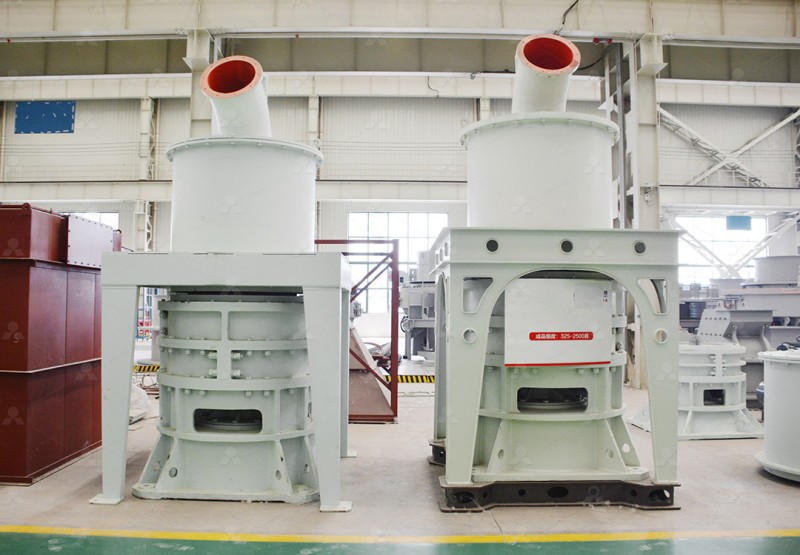
Fix: Regularly inspect and maintain grinding components. Ensure the feed material is within the mill’s specified input size range (e.g., 0-20mm). Optimize classifier speed and grinding pressure settings. For operations requiring high efficiency on fine powders, upgrading to a mill designed for higher yield can be transformative. For instance, the MW Ultrafine Grinding Mill is engineered to deliver 40% higher capacity than jet mills and double the output of ball mills at the same power consumption, making it an excellent solution for overcoming capacity bottlenecks.
2. Excessive Wear of Grinding Parts
Limestone’s abrasive nature inevitably causes wear on grinding rollers, rings, and liners. Accelerated wear can result from contaminated feedstock (e.g., silica or other hard impurities) or running the mill with insufficient material feed, causing metal-to-metal contact.
Fix: Implement strict raw material quality control to minimize hard contaminants. Always operate the mill with a consistent and adequate feed rate to maintain a protective material bed. Choose mills with wear-resistant alloys for critical components. The LUM Ultrafine Vertical Grinding Mill features a unique roller shell and lining plate grinding curve that promotes better material layer formation, reducing direct abrasion and extending component life. Its reversible structure also simplifies maintenance and part replacement.
3. Poor Product Fineness or Inconsistent Particle Size Distribution
Failure to achieve the target fineness (e.g., 325-2500 meshes) or a wide variation in particle size often points to problems with the classifier or separator. Blades can wear out, or settings may drift, leading to poor separation efficiency.
Fix: Calibrate the powder separator regularly. Check for wear on the classifier rotor blades and replace them as needed. Advanced mills incorporate high-precision separators. The MW Ultrafine Grinding Mill’s cage-type powder selector, for example, uses German technology to ensure accurate cuts and a consistent product fineness, achieving d97≤5μm.
4. High Energy Consumption
Spiking power bills are a major concern. This is frequently caused by inefficient grinding mechanics, poor system sealing leading to air leakage, or operating against clogged filters and bags in the dust collection system.
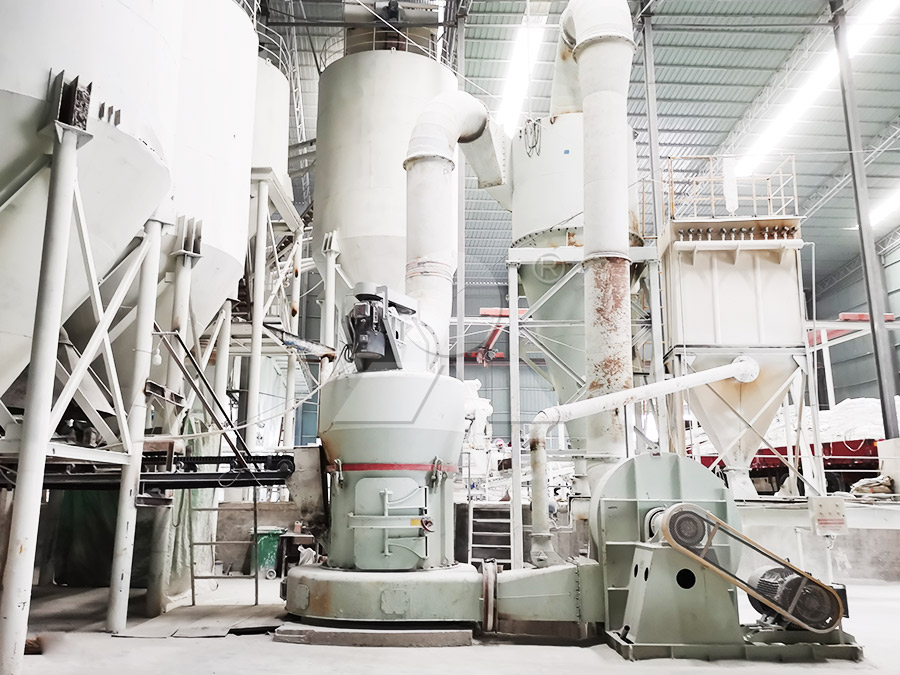
Fix: Conduct an energy audit to identify leaks or bottlenecks. Ensure the grinding chamber is properly sealed and that the pulse dust collector’s pressure drop is within design limits. Modern mills are designed with energy savings as a core principle. The LUM Grinding Mill reduces energy consumption by 30%-50% compared to conventional mills through its multi-head powder separating technology and optimized grinding curve.
5. Dust Pollution and Environmental Concerns
Dust leakage not only poses health and safety risks but can also lead to non-compliance with environmental regulations. Common causes include failed seals, an overfilled or malfunctioning dust collector, or incorrect system air pressure.
Fix: Implement a proactive maintenance schedule for inspecting seals and the pulse jet dust collector. Ensure the system operates under the correct negative pressure. Equipment like the MW Ultrafine Grinding Mill comes equipped with an efficient pulse dust collector and silencer, ensuring a clean and quiet operation that meets national environmental standards.
6. Unstable Operation and Vibration
Excessive vibration can damage the mill’s foundation and mechanical components. It often occurs due to uneven feeding, imbalance in the grinding rollers, or foreign objects in the grinding chamber.
Fix: Use a vibrating feeder for consistent and even material distribution. Establish a procedure for checking roller balance during maintenance. Some advanced mills feature built-in stabilization technologies. The LUM Mill, for example, employs double position-limiting technology to prevent destructive impacts from vibration, ensuring operational stability.
Frequently Asked Questions (FAQ)
Q1: What is the most important maintenance task for a limestone mill?
A: Regular inspection and timely replacement of wear parts like grinding rollers and rings are paramount. Additionally, ensuring the classifier and dust collector are functioning correctly will maintain product quality and system efficiency.
Q2: How can I reduce the energy consumption of my existing mill?
A: Beyond proper maintenance, optimizing operational parameters (classifier speed, grinding pressure) for your specific material can yield significant savings. For new projects, selecting an energy-efficient model like the MW or LUM series from the outset is the most effective long-term strategy.
Q3: My mill product is becoming contaminated. What could be the cause?
A: Contamination usually comes from two sources: wear debris from the mill itself or impurities in the feed material. Investigate the condition of internal components and reinforce raw material screening procedures.
Q4: Why is consistent feed size important?
A: A consistent feed size ensures a stable material bed in the grinding zone, which leads to efficient grinding, reduced wear, and a more uniform final product. Always use a crusher to pre-process limestone to the mill’s recommended input size.
By addressing these common problems proactively, you can significantly enhance the reliability and profitability of your limestone milling operations. Investing in modern, efficient technology not only solves existing issues but also future-proofs your production line against evolving demands.