
How Much Does a Stone Crusher and Grinding Mill Cost in South Africa?
We provide a wide range of mills — including Raymond mill, trapezoidal mill, vertical mill, ultrafine mill, and ball mill, obtained ISO9001 international quality certification, EU CE certification, and Customs Union CU-TR certification. Suitable for processing minerals such as limestone, phosphate, quicklime, kaolin, talc, barite, bentonite, calcium carbonate, dolomite, coal, gypsum, clay, carbon black, slag, cement raw materials, cement clinker, and more.
The discharge range of these mills can be adjusted to meet specific processing needs, typically from 80-400 mesh, 600-3250 mesh, and can achieve the finest particle size of up to 6000 mesh(D50).
If you are looking for a reliable grinding solution to turn stone or minerals into fine powder, please feel free to contact our online customer service.
Understanding the Investment in South Africa’s Mining and Construction Sector
South Africa’s rich mineral resources and booming construction industry create a consistent demand for robust crushing and grinding equipment. However, one of the most frequent questions we encounter is about cost. The price of a stone crusher and grinding mill in South Africa is not a single figure; it’s a variable dependent on several critical factors. This article aims to demystify these costs and guide you toward a sound investment.
Key Factors Influencing the Total Cost
The final price tag is a sum of the initial purchase price, operational expenses, and long-term maintenance. Key considerations include:
- Capacity and Output Requirements: A small-scale operation processing 5 tons per hour (tph) has vastly different equipment needs and costs compared to a large quarry requiring 200 tph.
- Material Characteristics: The hardness, abrasiveness, and moisture content of the raw material (e.g., granite, limestone, gold ore) directly impact the type of machinery needed and its wear rate.
- Desired Final Product Fineness: Producing coarse aggregates for construction is different from creating ultra-fine powders for industrial applications, which requires more advanced grinding technology.
- Operational Costs: Energy consumption is a major ongoing expense. Modern, energy-efficient mills can significantly reduce your electricity bills.
- After-Sales Support and Parts Availability: A lower upfront cost can be misleading if the supplier lacks local technical support and a reliable spare parts inventory, leading to costly downtime.
Navigating Grinding Mill Options: A Focus on Efficiency
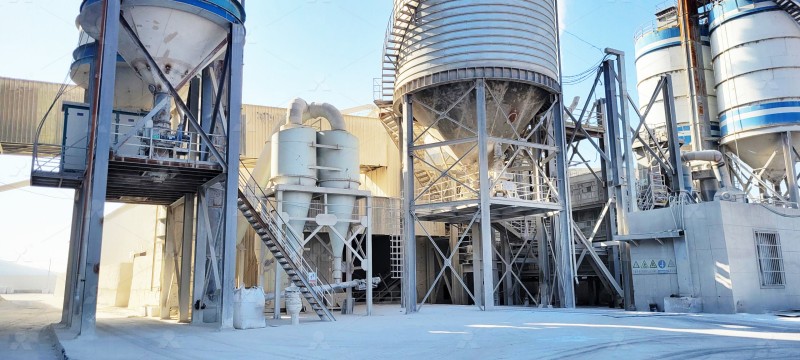
When it comes to grinding, the shift is towards technology that offers higher yield with lower energy consumption. Traditional ball mills, while having a lower initial cost, are often less efficient than modern vertical roller mills or ultrafine grinding systems. For operations requiring precision in the 325 to 2500 mesh range, specialized equipment is essential.
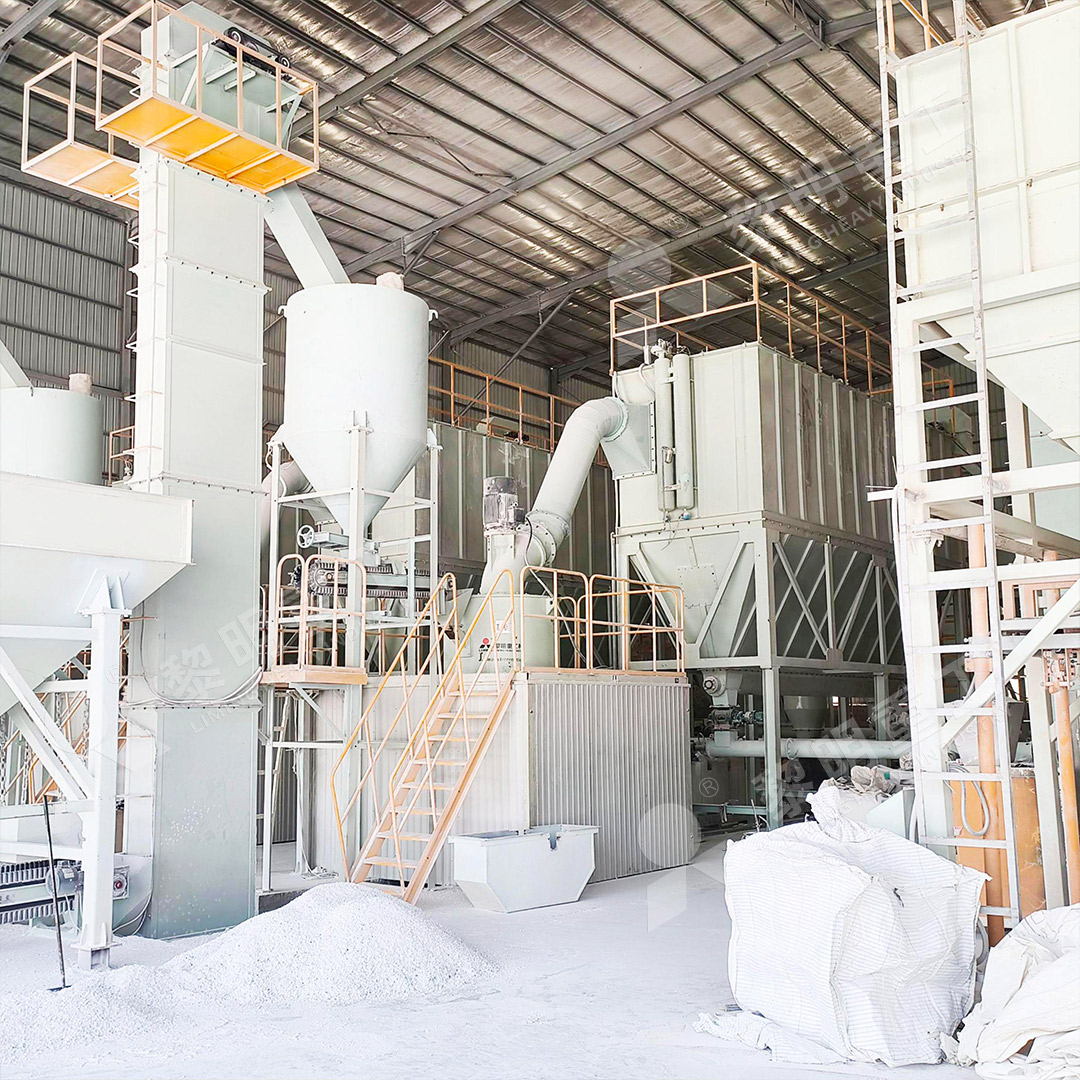
For instance, our MW Ultrafine Grinding Mill is engineered specifically for customers who need to produce ultra-fine powder efficiently. With an input size of 0-20 mm and a capacity range of 0.5-25 tph, it is an ideal solution for processing materials like limestone, calcite, and talc for industries such as paints, cosmetics, and food additives. Its design incorporates a high-efficiency powder selector for adjustable fineness and an innovative grinding chamber free from rolling bearings and screws, eliminating common failure points. Furthermore, the integrated pulse dust collector and muffler ensure the production process is environmentally friendly, a crucial consideration for modern operations.
Beyond the Purchase Price: The Total Cost of Ownership
The smartest investment is one that minimizes the Total Cost of Ownership (TCO). This includes not just the purchase price but also installation, energy, maintenance, and potential downtime costs. Equipment that is easier to maintain, has longer-lasting wear parts, and is backed by a supplier with a strong local presence in South Africa will prove more economical in the long run. We ensure a sufficient supply of original spare parts and provide comprehensive technical support to guarantee worry-free operation for our clients across the region.
Frequently Asked Questions (FAQ)
What is the approximate price range for a medium-capacity grinding mill in South Africa?
Prices can vary widely, but for a medium-capacity mill (e.g., 10-30 tph), investment can range from ZAR 1 million to over ZAR 5 million, heavily dependent on the technology level, brand, and specific configuration.
How important is energy efficiency in reducing long-term costs?
Extremely important. Energy can account for over 40% of the total operating cost of a grinding mill. Investing in an energy-efficient model like the MW Series or LUM Series can lead to savings of 30%-50% on power consumption, paying back the initial investment difference quickly.
Do you offer local after-sales service and support in South Africa?
Yes. We have established technical support and a spare parts supply chain to serve the South African market, ensuring minimal downtime and expert assistance for installation, operation, and maintenance.
Can your equipment handle the specific ores found in South Africa?
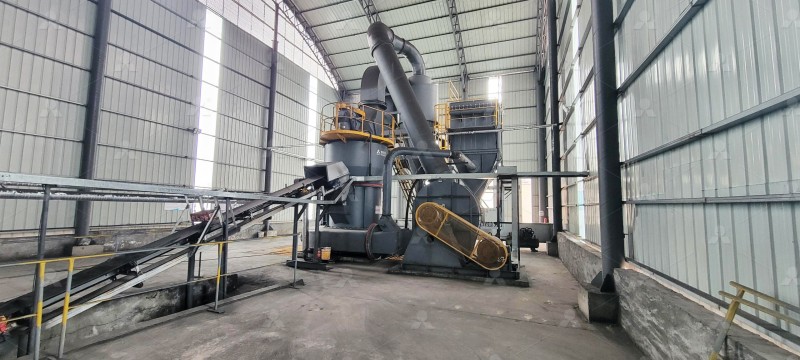
Absolutely. Our mills are designed for a wide range of materials, including the hard and abrasive ores common in South Africa, such as gold, platinum, and chrome. We can recommend the best model based on a sample analysis of your specific material.