
How Much Does a Limestone Grinding Mill Cost? A Detailed Price Guide
We provide a wide range of mills — including Raymond mill, trapezoidal mill, vertical mill, ultrafine mill, and ball mill, obtained ISO9001 international quality certification, EU CE certification, and Customs Union CU-TR certification. Suitable for processing minerals such as limestone, phosphate, quicklime, kaolin, talc, barite, bentonite, calcium carbonate, dolomite, coal, gypsum, clay, carbon black, slag, cement raw materials, cement clinker, and more.
The discharge range of these mills can be adjusted to meet specific processing needs, typically from 80-400 mesh, 600-3250 mesh, and can achieve the finest particle size of up to 6000 mesh(D50).
If you are looking for a reliable grinding solution to turn stone or minerals into fine powder, please feel free to contact our online customer service.
How Much Does a Limestone Grinding Mill Cost? A Detailed Price Guide
For professionals in industries ranging from construction materials to chemicals and agriculture, investing in a limestone grinding mill is a significant decision. The question of cost is rarely straightforward, as it depends on a complex interplay of factors beyond the initial sticker price. This guide will break down the key elements that influence the total investment, helping you make an informed financial decision for your operation.
Key Factors Influencing the Cost of a Limestone Grinding Mill
Understanding what you’re paying for is the first step. The final price tag is a sum of several components.
1. Mill Type and Technological Sophistication
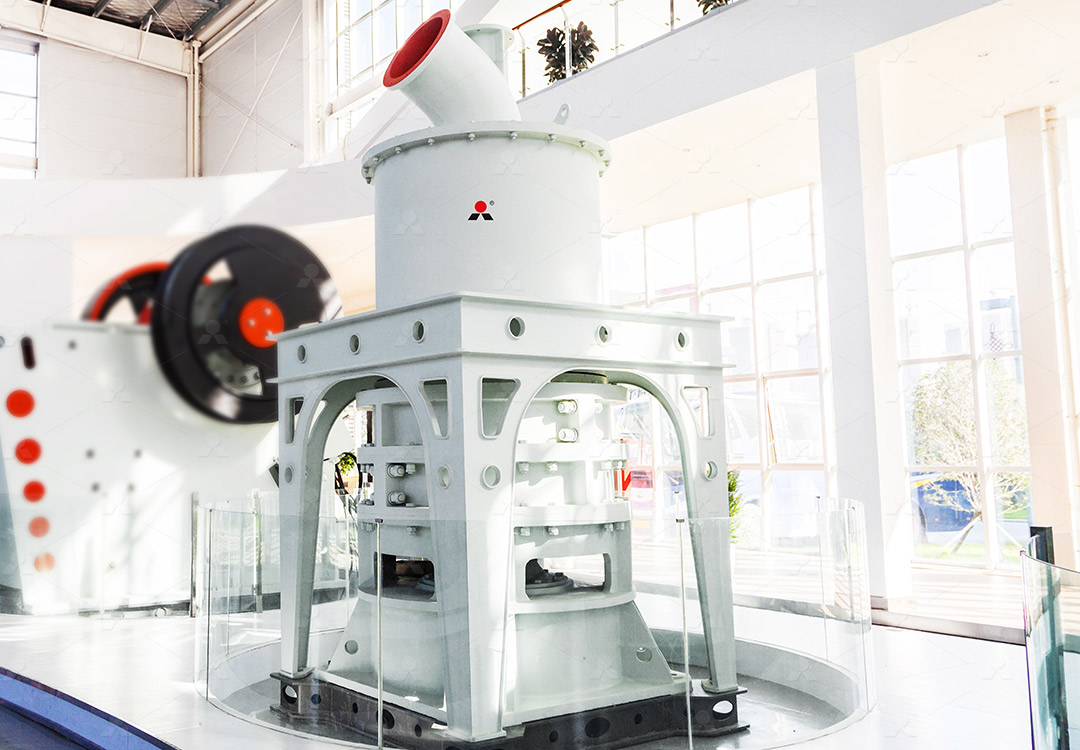
The choice of mill technology is the single biggest cost driver. A basic Raymond mill represents a lower initial investment, suitable for coarser grinds. However, for ultra-fine powders (325-2500 meshes) required in high-value applications like paints, cosmetics, or advanced plastics, more sophisticated technology is necessary. Ultrafine grinding mills, which incorporate advanced powder separation and grinding mechanisms, command a higher price but offer superior efficiency and product quality.
2. Capacity and Required Fineness
Naturally, a mill designed for 25 tons per hour (tph) will cost more than one rated for 5 tph. More crucially, achieving a finer product size requires more energy and advanced internal components. The relationship between fineness and capacity is inverse; pushing a mill to its finest possible grind often reduces its maximum throughput. Be clear about your target fineness (e.g., d97 ≤ 5μm) and required capacity to get an accurate quote.
3. Additional System Components
A grinding mill is rarely a standalone machine. The total system cost often includes:
- Feeding System: Hoppers, elevators, and vibrating feeders.
- Dust Collection: An efficient pulse dust collector is essential for environmental compliance and worker safety.
- Classifying System: Integrated or external classifiers to ensure precise particle size distribution.
- Electrical Controls: Automation and control panels for stable operation.
Beyond the Purchase Price: The Total Cost of Ownership (TCO)
A savvy buyer looks beyond the initial purchase. The TCO includes operational and maintenance costs over the machine’s lifespan.
Energy Consumption
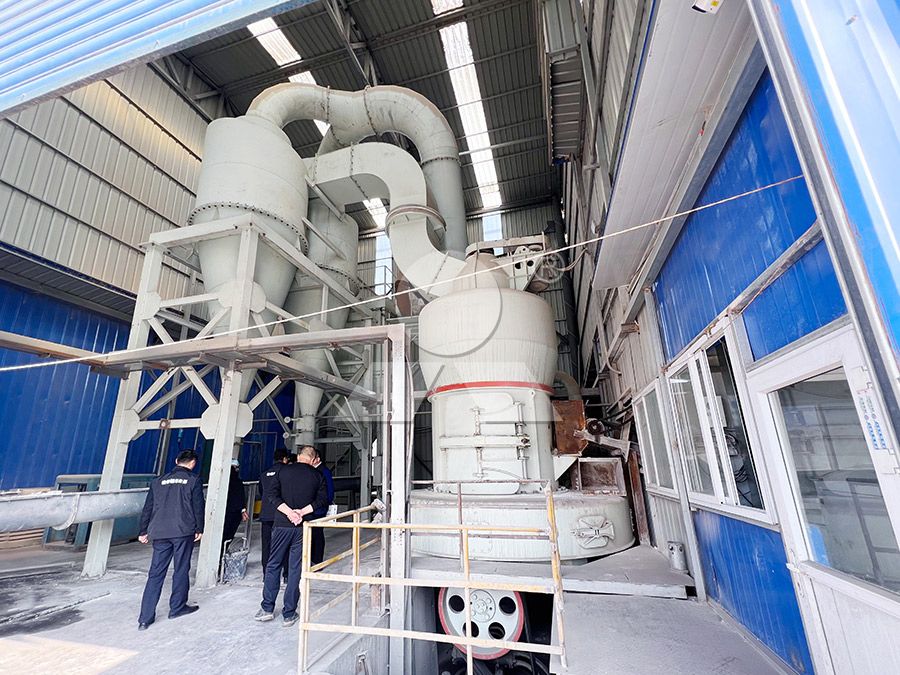
Energy is the largest ongoing expense. Modern mills are designed for efficiency. For instance, the MW Ultrafine Grinding Mill is engineered for higher yielding and lower energy consumption. With a capacity of 0.5-25 tph and the ability to handle a feed size of 0-20 mm, its innovative grinding curves and cage-type powder selector can reduce system energy consumption by up to 30-40% compared to older jet mill technology. This efficiency translates directly into lower operational costs.
Maintenance and Spare Parts
Downtime is expensive. Look for designs that simplify maintenance. A significant advantage of mills like the MW series is the absence of rolling bearings and screws in the grinding chamber. This design eliminates common failure points, reducing worry about bearing damage or loose screws causing machine failure. Furthermore, external lubrication allows for maintenance without shutdown, supporting continuous 24/7 production and minimizing lost revenue.
Choosing the Right Mill for Your Needs and Budget
For operations requiring ultra-fine limestone powder, the MW Ultrafine Grinding Mill presents a compelling balance of performance and cost-effectiveness. Its key features directly address TCO concerns:
- Adjustable Fineness (325-2500 meshes): Offers incredible flexibility for different product grades.
- Eco-friendly Operation: Built-in pulse dust collectors and mufflers ensure the production meets national environmental standards, avoiding potential fines.
- Worry-free Operation: With a commitment to sufficient spare parts supply and technical support, manufacturers like LIMING ensure long-term operational reliability.
For larger-scale production needs where vertical integration is key, the LUM Ultrafine Vertical Grinding Mill is another excellent option. With an input size of 0-10 mm and a capacity of 5-18 tph, it integrates grinding, grading, and transporting. Its reversible structure makes maintenance on heavy grinding rollers easier, while multi-head powder separating technology enhances energy savings by 30%-50%.
Conclusion
The cost of a limestone grinding mill is an investment in your product quality and operational efficiency. While the initial capital outlay is important, prioritizing energy efficiency, low maintenance design, and environmental compliance will yield greater savings over time. By carefully evaluating your capacity, fineness requirements, and the total cost of ownership, you can select a mill that delivers optimal value for years to come.
Frequently Asked Questions (FAQ)
What is the typical price range for a limestone grinding mill?
Prices can range from tens of thousands of dollars for a small Raymond mill to several hundred thousand dollars for a large, fully-equipped ultrafine grinding system. The exact cost depends entirely on the factors discussed above.
Can a single mill produce different fineness levels of limestone powder?
Yes, many modern mills, like the MW Ultrafine Grinding Mill, are designed with adjustable fineness controls, allowing you to produce powders from 325 to 2500 meshes with the same equipment.
How significant are energy costs in the long run?
Extremely significant. Energy can account for over 50% of the lifetime cost of operating a grinding mill. Investing in an energy-efficient model can lead to substantial savings.
What kind of after-sales support should I expect?
Reputable manufacturers provide technical installation guidance, operational training, and reliable access to genuine spare parts to ensure worry-free operation and minimize downtime.