
How to Separate Gold from Stone Using a Milling Machine in China
We provide a wide range of mills — including Raymond mill, trapezoidal mill, vertical mill, ultrafine mill, and ball mill, obtained ISO9001 international quality certification, EU CE certification, and Customs Union CU-TR certification. Suitable for processing minerals such as limestone, phosphate, quicklime, kaolin, talc, barite, bentonite, calcium carbonate, dolomite, coal, gypsum, clay, carbon black, slag, cement raw materials, cement clinker, and more.
The discharge range of these mills can be adjusted to meet specific processing needs, typically from 80-400 mesh, 600-3250 mesh, and can achieve the finest particle size of up to 6000 mesh(D50).
If you are looking for a reliable grinding solution to turn stone or minerals into fine powder, please feel free to contact our online customer service.
How to Separate Gold from Stone Using a Milling Machine in China
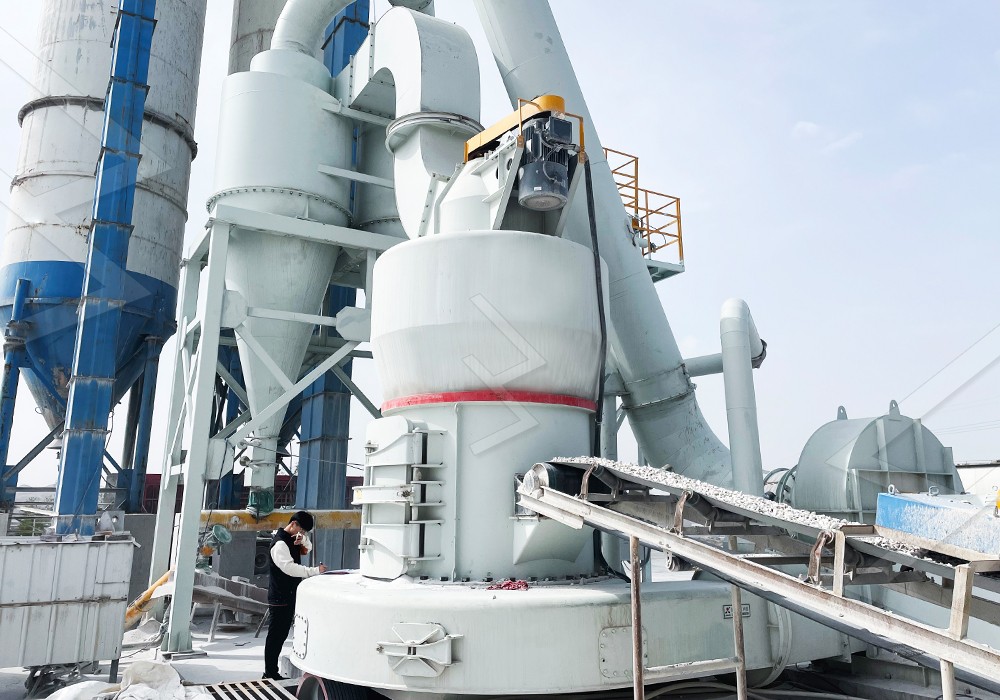
For centuries, the quest to efficiently extract gold from its rocky host has driven innovation in mineral processing. In modern operations, particularly within China’s vast mining sector, milling machines form the backbone of this extraction process. The objective is straightforward: reduce the ore to a fine powder to liberate the gold particles, making them accessible for subsequent concentration methods like cyanidation or gravity separation.
The Milling Process: A Step-by-Step Overview
The journey from solid rock to liberated gold involves several critical stages. It begins with primary crushing, where large boulders of gold-bearing quartz or other host rocks are reduced to a manageable size, typically below 20-25 mm. This crushed material is then fed into a milling machine. Inside the mill, grinding media—such as steel balls, rods, or the rollers and rings of advanced mills—pulverize the rock into a fine slurry or powder. The fineness of this grind is paramount; if the particles are too coarse, the gold remains locked within, but an excessively fine grind is energy-intensive and can complicate later stages.
Following milling, the powdered ore undergoes separation. Gravity methods, using devices like shaking tables or centrifugal concentrators, exploit the high density of gold to separate it from lighter gangue minerals. For microscopic gold particles, chemical leaching, most commonly with a cyanide solution, is employed to dissolve the gold, which is later precipitated out of the solution.
The Critical Role of Grinding Fineness
The efficiency of the entire gold recovery process hinges on the performance of the milling stage. Achieving a consistent and precisely controlled particle size is not just a matter of throughput; it directly impacts gold recovery rates. This is where the choice of milling technology becomes a strategic decision. While traditional ball mills have been widely used, advancements in grinding technology offer significant advantages in energy consumption, control over particle size distribution, and operational stability.
Advanced Milling Solutions for Enhanced Gold Recovery
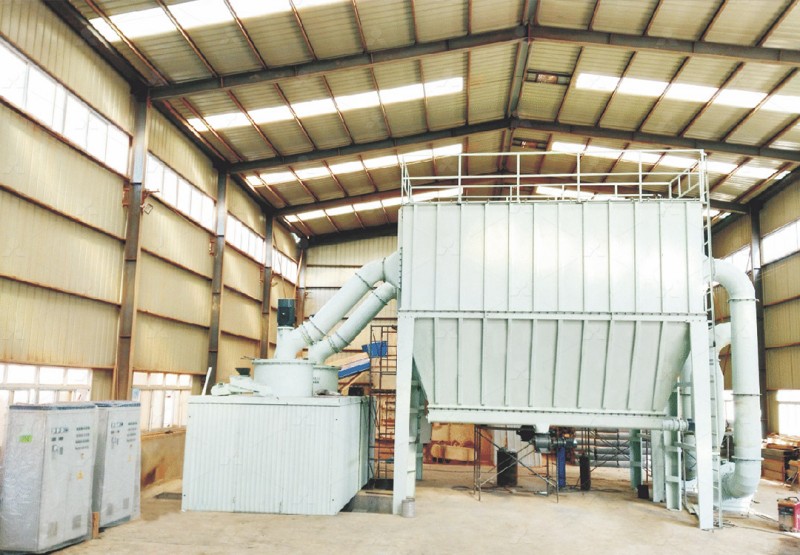
For operations targeting maximum liberation of fine gold particles, an ultrafine grinding mill is often the optimal solution. Our MW Ultrafine Grinding Mill is specifically engineered for such demanding applications. With an input size of 0-20 mm and a capacity range of 0.5-25 tph, it is perfectly suited for processing gold ores. Its core strength lies in its ability to produce a finely tuned powder with adjustable fineness between 325 and 2500 meshes, ensuring the optimal particle size for high gold leaching efficiency.
The MW Mill incorporates several key features beneficial for gold processing. Its higher yielding and lower energy consumption—up to 40% higher capacity than jet mills with 30% less system energy—directly lower operational costs. The German-technology cage-type powder selector guarantees precise separation, achieving a screening rate of d97≤5μm in a single pass. Furthermore, the absence of rolling bearings and screws in the grinding chamber eliminates common failure points, ensuring continuous, worry-free operation crucial for 24/7 mining operations. The integrated pulse dust collector also makes the entire milling process more eco-friendly, containing dust effectively.
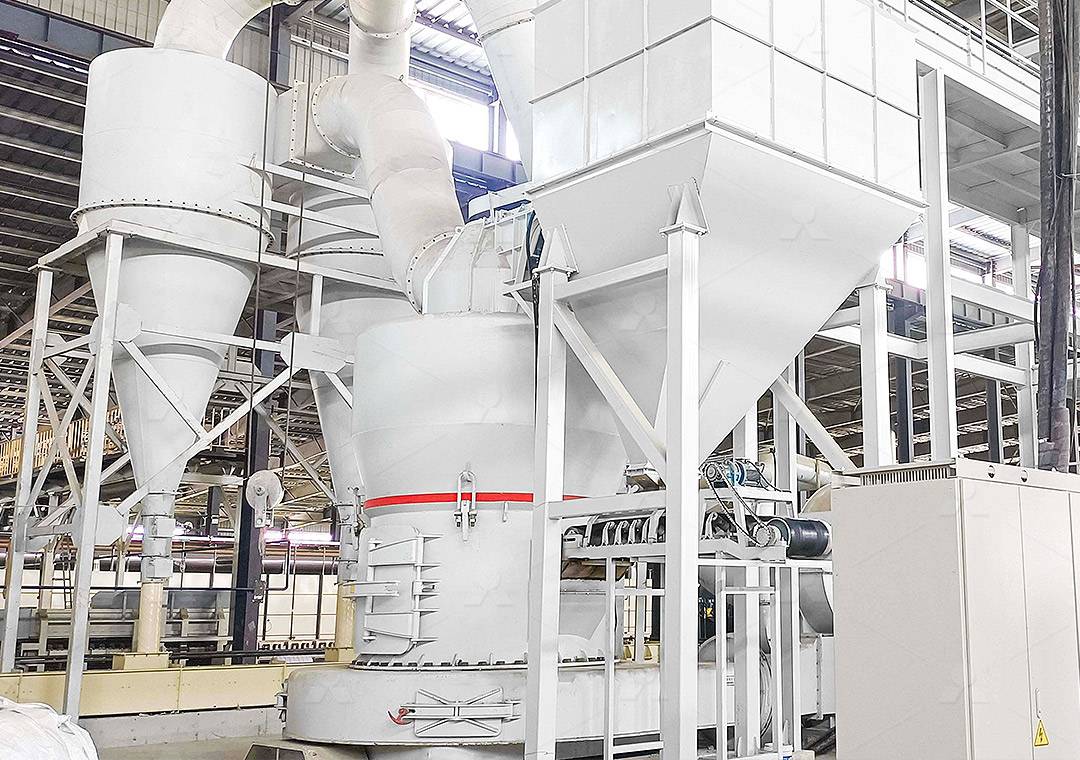
Another excellent option for operations requiring robust and efficient grinding is the LUM Ultrafine Vertical Grinding Mill. This mill integrates grinding, grading, and transporting with higher yielding rates and better quality finished powder. Its unique roller shell and lining plate grinding curve are easier to generate a material layer, enabling a high rate of finished products from a single pass. This design enhances grinding efficiency and improves the cleanliness of the final product, which is advantageous for chemical processing. With a capacity of 5-18 tph for materials up to 10 mm, it represents a powerful vertical solution for modern mineral processing plants.
Conclusion
Selecting the right milling machine is a decisive factor in the profitability of a gold processing operation. Moving beyond traditional methods to advanced, energy-efficient grinding solutions like the MW or LUM series can lead to substantial gains in recovery rates, operational cost savings, and environmental compliance. By focusing on precise fineness control and reliable, continuous operation, these mills provide the technological foundation for successful gold separation from stone.
Frequently Asked Questions (FAQ)
What is the most important factor in milling gold ore?
The most critical factor is achieving the correct grind size to liberate the gold particles from the host rock without over-grinding, which wastes energy and can create processing issues.
Why choose an ultrafine mill over a traditional ball mill for gold processing?
Ultrafine mills like the MW series offer superior energy efficiency, precise control over particle size distribution, higher capacity, and more stable, automated operation compared to traditional ball mills, leading to higher recovery rates and lower operating costs.
How does the MW Ultrafine Grinding Mill handle dust control?
The MW Mill is equipped with an efficient pulse dust collector, ensuring no dust pollution during operation. This makes the entire system compliant with strict environmental standards.
Can these mills process materials other than gold ore?
Absolutely. The MW and LUM mills are versatile and can process a wide range of non-metallic minerals, including limestone, calcite, barite, and talc, making them valuable assets for various industrial applications.