
Limestone Mill: Key Applications in Cement, Power, and Steel Industries
We provide a wide range of mills — including Raymond mill, trapezoidal mill, vertical mill, ultrafine mill, and ball mill, obtained ISO9001 international quality certification, EU CE certification, and Customs Union CU-TR certification. Suitable for processing minerals such as limestone, phosphate, quicklime, kaolin, talc, barite, bentonite, calcium carbonate, dolomite, coal, gypsum, clay, carbon black, slag, cement raw materials, cement clinker, and more.
The discharge range of these mills can be adjusted to meet specific processing needs, typically from 80-400 mesh, 600-3250 mesh, and can achieve the finest particle size of up to 6000 mesh(D50).
If you are looking for a reliable grinding solution to turn stone or minerals into fine powder, please feel free to contact our online customer service.
Limestone Mill: Key Applications in Cement, Power, and Steel Industries
Limestone, a fundamental raw material, undergoes a critical transformation through milling processes to serve as a cornerstone in several heavy industries. The efficiency and quality of this grinding operation directly impact product quality, operational costs, and environmental compliance. From producing clinker in cement plants to facilitating flue gas desulfurization in power stations and acting as a fluxing agent in steel manufacturing, the role of finely ground limestone is indispensable.
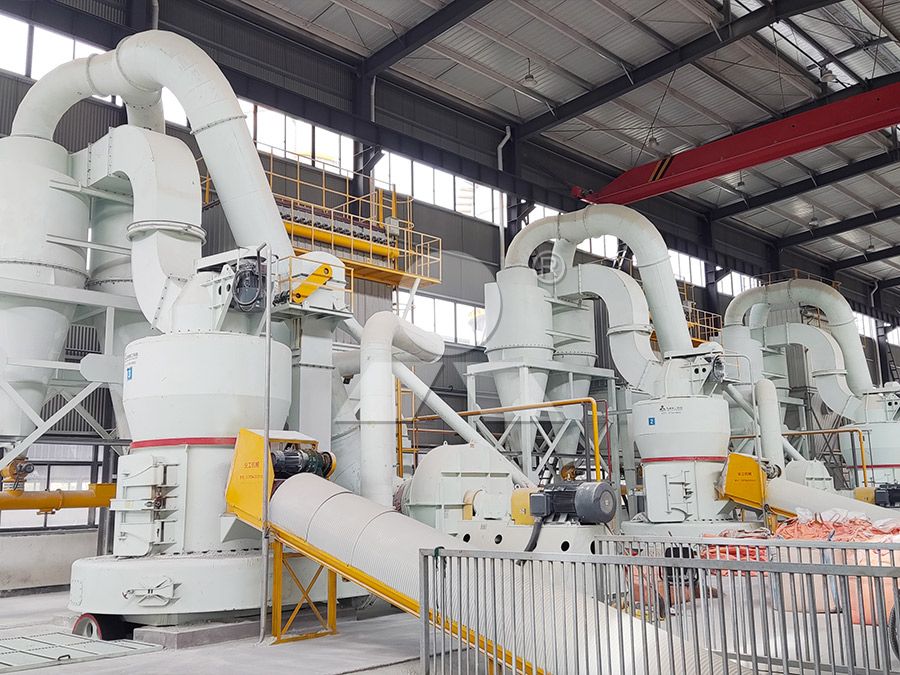
The Cement Industry: The Primary Consumer
In cement production, limestone is the principal ingredient, typically comprising about 80-85% of the raw meal. The raw mix, which includes limestone, clay, and other additives, must be ground to an exceptionally fine powder to ensure the chemical reactions during clinker formation are homogenous and efficient. The fineness and particle size distribution of the limestone powder are crucial for the quality of the final cement product. A consistent, ultra-fine powder allows for lower kiln temperatures, reduced energy consumption, and a more reactive clinker.
For modern cement plants seeking to optimize their grinding circuits, advanced milling technology is paramount. Our MW Ultrafine Grinding Mill is specifically engineered to meet these demanding requirements. With an adjustable fineness range of 325-2500 meshes and a capacity of 0.5-25 tph, it ensures the precise consistency needed for raw meal preparation. Its higher yielding and lower energy consumption—achieving 40% higher capacity than jet mills—directly translates to significant operational savings and a reduced carbon footprint for cement manufacturers.
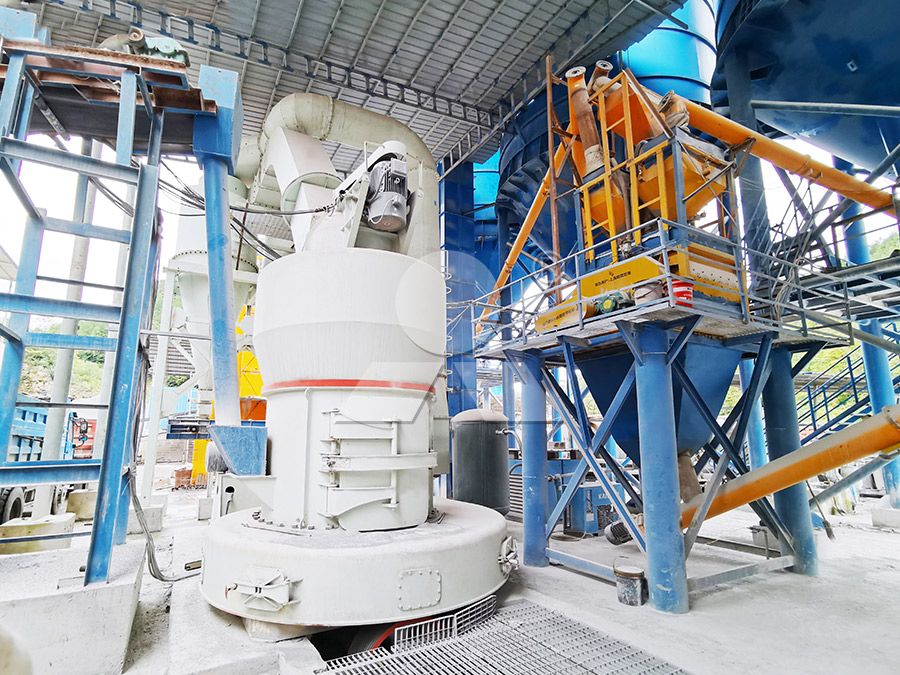
The Power Generation Sector: Environmental Compliance
Coal-fired power plants rely on limestone for Flue Gas Desulfurization (FGD), a process that removes sulfur dioxide (SO₂) from exhaust gases. In this application, limestone is ground into a fine slurry and sprayed into the flue gas stream. The SO₂ reacts with the limestone to form gypsum, a saleable by-product. The effectiveness of this scrubbing process is highly dependent on the surface area of the limestone particles; finer particles offer a greater reactive surface area, leading to more efficient SO₂ removal and lower limestone consumption.
Grinding limestone for FGD requires a mill that can handle significant throughput with high reliability. The LUM Ultrafine Vertical Grinding Mill is an excellent fit for this application. Its input size of 0-10 mm and capacity of 5-18 tph make it suitable for direct processing of crushed limestone. The mill’s more energy-saving multi-head powder separating technology and double position-limiting technology ensure stable, continuous operation—a critical factor for power plants that cannot afford unscheduled downtime. The reversible structure also simplifies maintenance, allowing for quick roller checks and part replacements.
The Steel Industry: Purification and Fluxing
In steelmaking, limestone serves as a fluxing agent. It is added to the blast furnace to remove impurities from the iron ore, forming slag that is easily separated from the molten iron. The limestone helps to control the viscosity of the slag and absorb unwanted elements like sulfur and phosphorus. The rate of reaction is accelerated when the limestone is finely ground, leading to a more efficient purification process and higher-quality steel.
Steel plants often deal with by-products like slag, which can also be ground for use in cement or concrete. For such diverse milling needs, including both raw limestone and slag, a versatile and robust mill is essential. The features of both the MW and LUM mills, such as their eco-friendly dust removal systems and digitalized processing for high precision, make them ideal for the challenging environment of a steel plant, ensuring clean operation and consistent product quality.
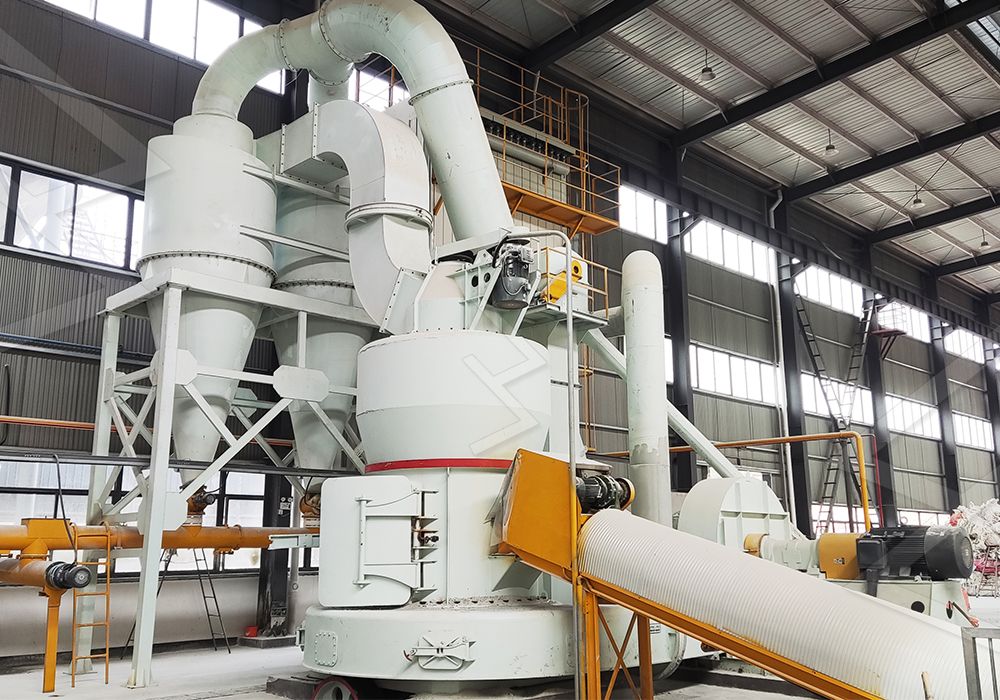
Conclusion
The transformation of raw limestone into a high-value, functional powder is a critical step across major industries. Selecting the right milling equipment is not just about achieving fineness; it’s about optimizing entire production lines for efficiency, cost-effectiveness, and environmental stewardship. Technologies like the MW and LUM grinding mills represent the pinnacle of this engineering, offering tailored solutions for the rigorous demands of cement, power, and steel production.
Frequently Asked Questions (FAQ)
What is the typical fineness required for limestone in cement production?
The raw mix for cement production typically requires a fineness where about 90% of the particles pass through a 90-micron sieve. Our MW Ultrafine Grinding Mill can easily achieve and consistently maintain this specification.
Why is particle size distribution important in FGD limestone?
A narrow, controlled particle size distribution ensures maximum surface area for the chemical reaction with SO₂. This leads to higher removal efficiency and lower consumption of limestone, reducing operational costs for the power plant.
Can the same mill be used for grinding other materials besides limestone?
Absolutely. The MW and LUM mills are highly versatile and can process a wide range of non-metallic minerals, including calcite, dolomite, barite, and coal powder, making them valuable assets for multi-purpose industrial plants.
How do these mills contribute to environmental protection?
Both mills are equipped with efficient pulse dust collectors and mufflers, ensuring virtually dust-free operation and low noise levels. Their high grinding efficiency also translates to lower energy consumption per ton of product, reducing the overall carbon footprint.
What are the advantages of the ‘no rolling bearing in the grinding chamber’ design?
This design, featured in the MW Mill, eliminates concerns about bearing failure or seal damage due to harsh grinding conditions. It enhances machine reliability and allows for external lubrication without shutdown, supporting continuous 24/7 operation.