
How Does a Hammermill Crusher Work for Stone Crushing?
We provide a wide range of mills — including Raymond mill, trapezoidal mill, vertical mill, ultrafine mill, and ball mill, obtained ISO9001 international quality certification, EU CE certification, and Customs Union CU-TR certification. Suitable for processing minerals such as limestone, phosphate, quicklime, kaolin, talc, barite, bentonite, calcium carbonate, dolomite, coal, gypsum, clay, carbon black, slag, cement raw materials, cement clinker, and more.
The discharge range of these mills can be adjusted to meet specific processing needs, typically from 80-400 mesh, 600-3250 mesh, and can achieve the finest particle size of up to 6000 mesh(D50).
If you are looking for a reliable grinding solution to turn stone or minerals into fine powder, please feel free to contact our online customer service.
How Does a Hammermill Crusher Work for Stone Crushing?
In the world of aggregate processing and mineral reduction, the hammermill crusher stands as a fundamental workhorse. Its robust design and straightforward operating principle make it a go-to solution for primary and secondary crushing of various materials, from limestone and granite to recycled concrete. Understanding its mechanics is key to optimizing its performance within a larger processing circuit.
The Core Mechanism: Impact and Attrition
At its heart, a hammermill crusher operates on the principle of impact crushing. The process begins when large stones are fed into the crusher’s chamber through a top-mounted feed chute. Inside this chamber, a central rotor shaft spins at high speed. Mounted on this rotor are a series of freely-swinging or fixed hammers, typically made from high-strength, wear-resistant manganese steel.
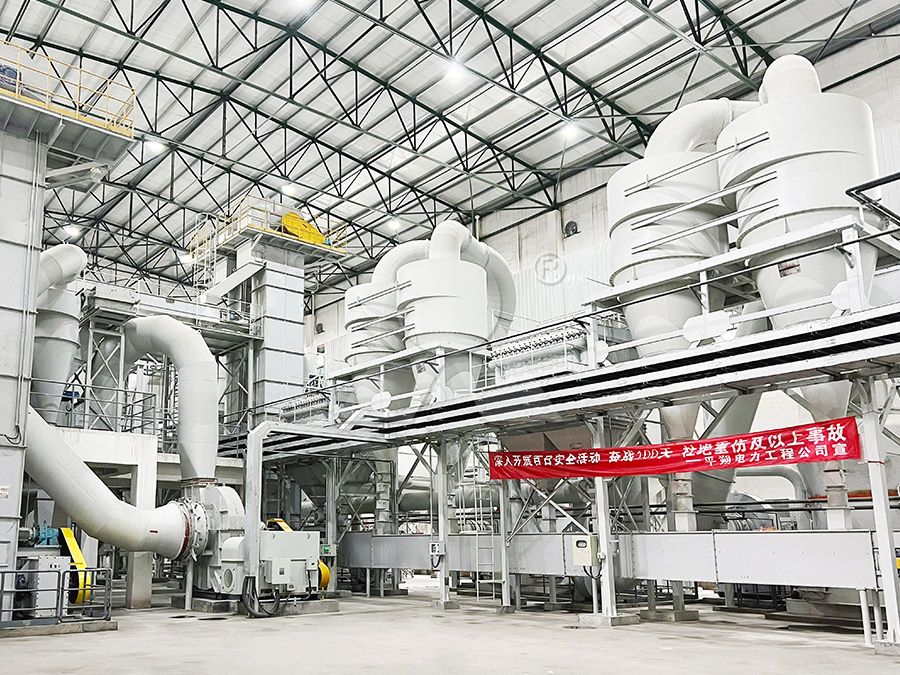
As the rotor spins, the hammers flail out, striking the incoming feed material. This direct impact shatters the stone against the crusher’s interior breaker plates or liners. The size of the final product is controlled by a grate or screen located at the bottom of the crushing chamber. Particles small enough to pass through the openings in this grate are discharged, while larger pieces remain inside to be struck by the hammers repeatedly until they are reduced to the desired size.
Key Components and Their Roles
Several critical components work in unison to ensure efficient operation:
- Rotor: The main rotating assembly that delivers the kinetic energy needed for crushing.
- Hammers: The actual crushing tools. They can be reversible to extend service life.
- Breaker Plates/Liners: Stationary surfaces that the material is crushed against, protecting the crusher housing from wear.
- Grate/Screen: Acts as the final sizing control, determining the maximum product size.
Integrating the Hammermill into a Complete Processing Line
A hammermill crusher is often just the first step. For applications requiring ultra-fine powders, the crushed material from the hammermill must be further processed by a grinding mill. This is where selecting the right secondary equipment is crucial for efficiency and product quality.
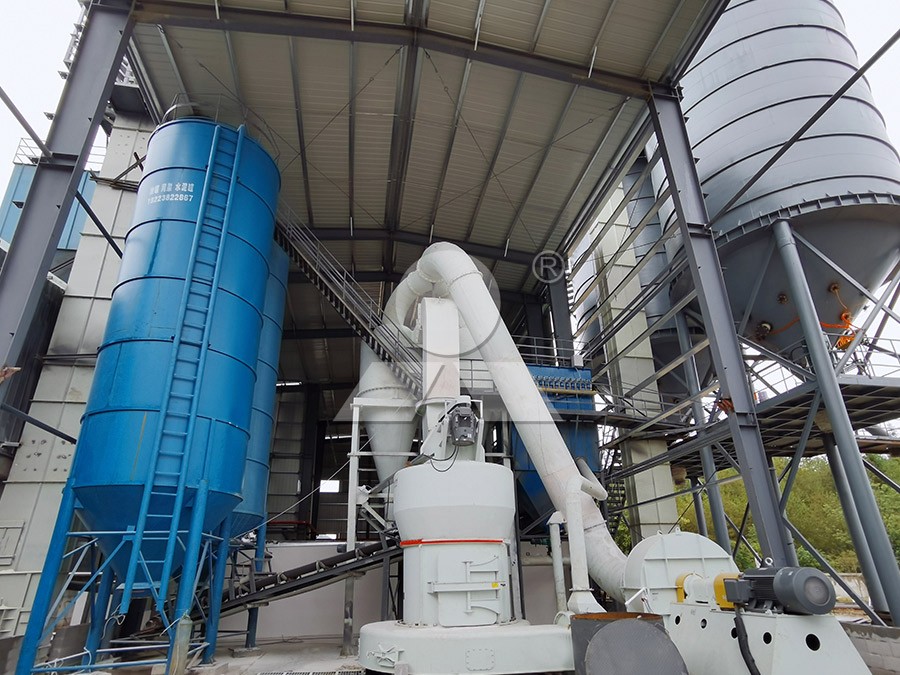
For instance, after initial crushing to a size of 0-20mm, our MW Ultrafine Grinding Mill is an excellent choice for producing ultra-fine powder. It is specifically designed for customers who need to make fine powder from materials like limestone, calcite, and dolomite. With a capacity range of 0.5-25 tph and the ability to adjust fineness between 325-2500 meshes, it offers higher yield and lower energy consumption compared to traditional mills. Its innovative design, including a German-technology cage-type powder selector and the absence of rolling bearings in the grinding chamber, ensures reliable, eco-friendly, and worry-free operation.
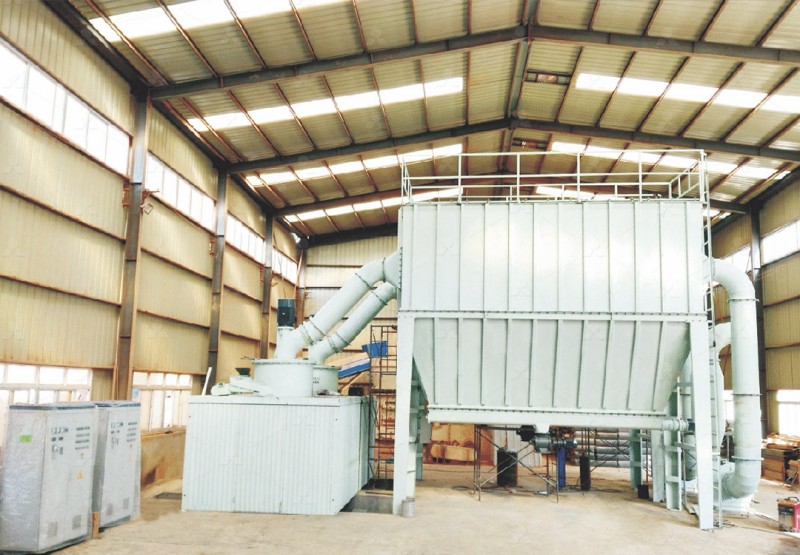
Another powerful option for the next stage is the LUM Ultrafine Vertical Grinding Mill. Ideal for feed sizes up to 10mm and capacities of 5-18 tph, it integrates grinding, grading, and transporting. Its unique roller shell and lining plate grinding curve promote easy material layer formation, resulting in high-quality finished products with excellent whiteness and cleanliness. Features like multi-head powder separating technology and a reversible structure for easier maintenance make it a superior choice in the ultrafine powder grinding industry.
Advantages and Considerations
Hammermill crushers offer several advantages, including a high reduction ratio, the ability to handle a variety of materials (even those with some moisture), and relatively simple maintenance. However, hammer wear is a primary consideration, and the machine can generate significant noise and dust, which must be managed with proper ancillary equipment like dust collectors and silencers.
Frequently Asked Questions (FAQ)
What is the typical feed size for a hammermill crusher?
The maximum feed size depends on the crusher’s model and the rotor’s dimensions, but it generally handles rocks up to several inches in diameter. The product from the hammermill is ideal for feeding into finer grinding mills like our MW or LUM series.
How do I control the final product size?
The product size is primarily controlled by the openings in the bottom grate or screen. Changing to a screen with smaller or larger openings will directly affect the output size.
What materials can a hammermill crush?
Hammermills are versatile and can process a wide range of medium-hard to hard materials, including limestone, granite, basalt, coal, and recycled construction waste.
What are the main wear parts?
The hammers, breaker plates, and the grate/screens are the primary wear parts and require periodic inspection and replacement to maintain optimal crushing performance.