
Understanding PID Equipment Symbols for a Hammermill in Process Flow Diagrams
We provide a wide range of mills — including Raymond mill, trapezoidal mill, vertical mill, ultrafine mill, and ball mill, obtained ISO9001 international quality certification, EU CE certification, and Customs Union CU-TR certification. Suitable for processing minerals such as limestone, phosphate, quicklime, kaolin, talc, barite, bentonite, calcium carbonate, dolomite, coal, gypsum, clay, carbon black, slag, cement raw materials, cement clinker, and more.
The discharge range of these mills can be adjusted to meet specific processing needs, typically from 80-400 mesh, 600-3250 mesh, and can achieve the finest particle size of up to 6000 mesh(D50).
If you are looking for a reliable grinding solution to turn stone or minerals into fine powder, please feel free to contact our online customer service.
Deciphering the Blueprint: PID Symbols for Size Reduction Equipment
For process engineers, plant operators, and maintenance personnel, the Process Flow Diagram (PFD) and the more detailed Piping and Instrumentation Diagram (PID) are the essential roadmaps of any industrial facility. These schematics communicate the entire process flow, equipment interconnections, and control logic in a standardized visual language. A critical piece of this puzzle is the accurate representation of size reduction equipment, such as hammermills. Misinterpreting these symbols can lead to design flaws, operational inefficiencies, and costly downtime. This article will demystify the standard symbols used for hammermills and related grinding equipment in PIDs, providing a clear guide for professionals.
The Standard Hammermill Symbol and Its Variations
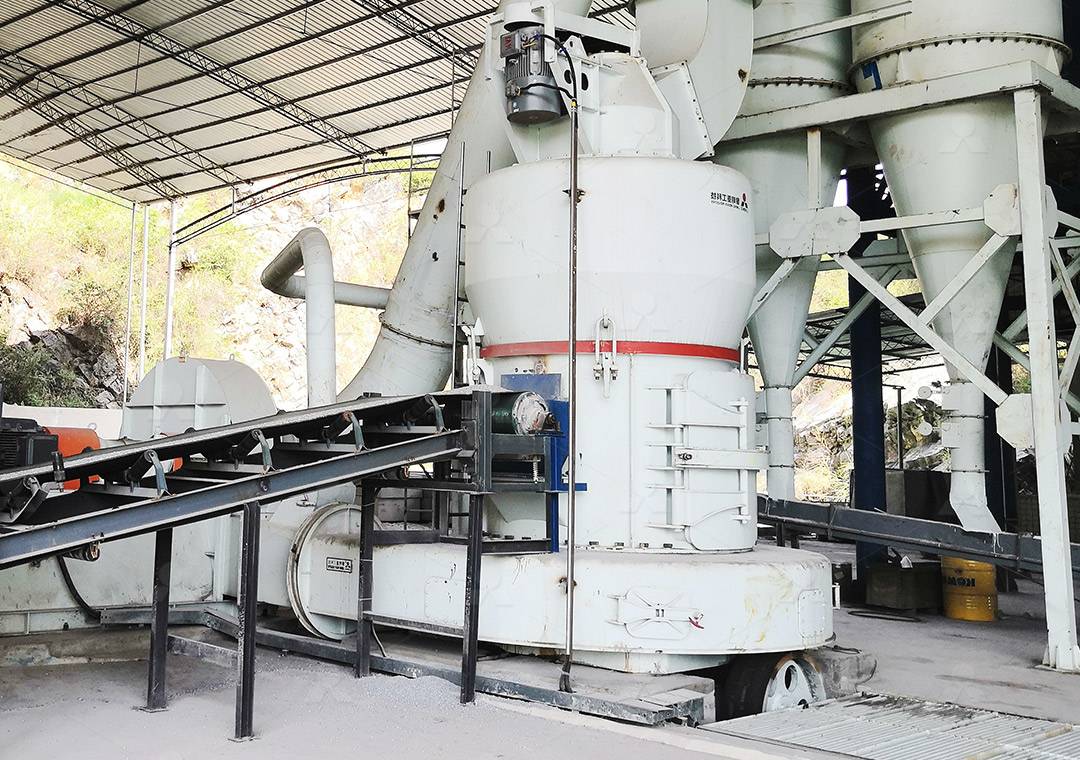
In a typical PID, a hammermill is represented by a circle containing a distinctive crushing or impacting element. This is often depicted as a small rectangle or a set of lines inside the circle, symbolizing the hammers or beaters. The circle itself represents the grinding chamber. Inlet lines for raw material feed (often from a conveyor or elevator) and outlet lines for the ground product are clearly marked. It’s crucial to note any ancillary symbols attached to the mill, such as motors (shown as a circle with an ‘M’), isolation valves, and rotary airlocks or feeders that control the feed rate and maintain system pressure.
Beyond the basic symbol, PIDs convey critical operational data. The equipment tag, such as “HM-101,” is always present, linking the symbol to a detailed equipment datasheet. Flow arrows indicate the direction of material and air flow. For grinding systems, the air flow is particularly important as it often serves to transport the finished powder and control dust. Understanding this symbology is the first step, but selecting the right technology for the application is what separates a good design from a great one. For instance, when the requirement shifts from coarse crushing to ultra-fine powder production, a different class of mill is necessary.
Beyond the Hammermill: Symbols for Fine and Ultra-Fine Grinding
While a hammermill is excellent for coarse-to-medium reduction, processes requiring fine and ultra-fine powders utilize different technologies, which have their own distinct PID symbols. Vertical roller mills, for example, might be symbolized by a larger circle or rectangle with multiple, smaller circles representing the grinding rollers. Ball mills are typically shown as a cylindrical shape. Recognizing these differences is key to understanding the process chain.
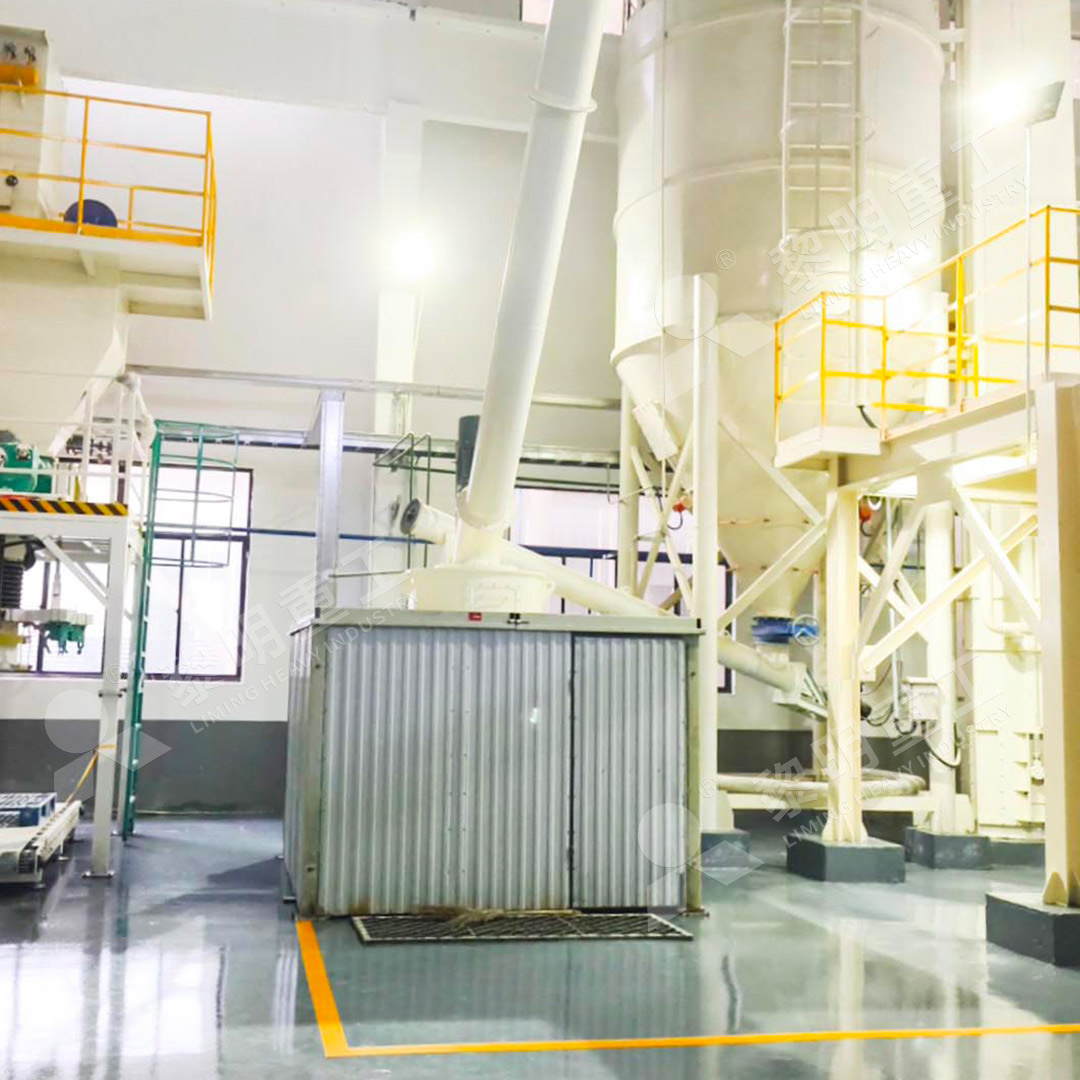
For applications demanding ultra-fine powders in the range of 325 to 2500 meshes, a specialized solution is required. In such cases, our MW Ultrafine Grinding Mill is an ideal choice. Designed for customers who need to make ultra-fine powder, this mill is engineered for higher yielding and lower energy consumption. It features a newly designed grinding curve that enhances efficiency, producing 40% higher capacity than jet mills with system energy consumption only 30% of that of jet grinding mills. Its cage-type powder selector allows for precise fineness adjustment between 325-2500 meshes. A significant design advantage is the absence of rolling bearings and screws in the grinding chamber, eliminating common failure points and enabling external lubrication without shutdown for continuous 24/7 operation.
Integrating the Mill into the Broader Process
A hammermill or grinding mill is never an island in a PID. Its symbol is connected to a network of other equipment. Upstream, you will typically find feeders, crushers, and storage hoppers. Downstream, the system almost always includes a pulse jet dust collector—a critical component for environmental compliance and product recovery—as well as cyclones, fans, and product collection silos. The MW Ultrafine Grinding Mill, for example, comes equipped with an efficient pulse dust collector and muffler, ensuring the entire milling system operates without dust pollution and with reduced noise, fully adhering to national environmental protection standards.
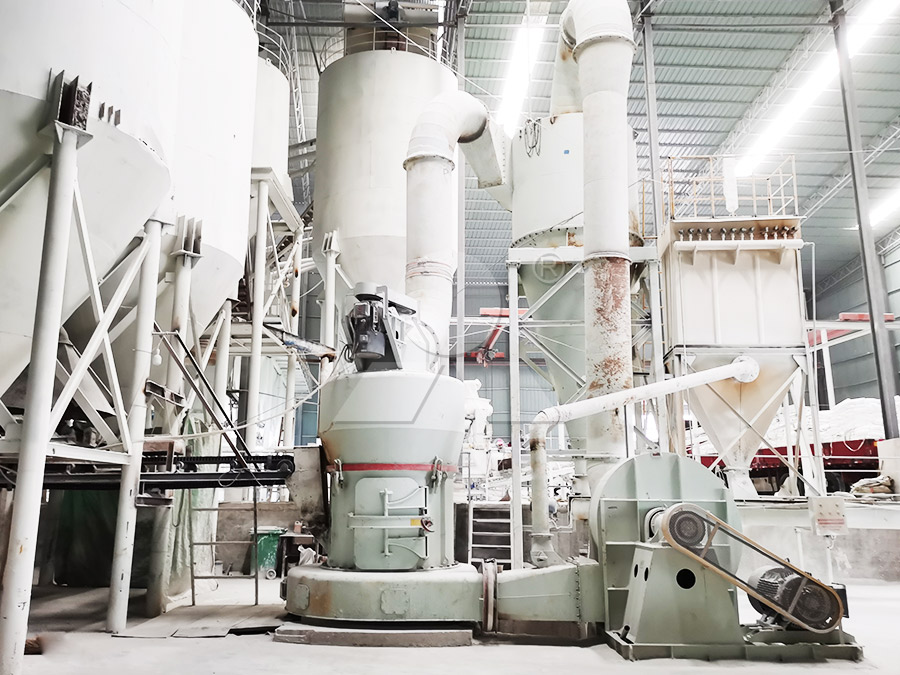
Another excellent option for fine powder production is the LUM Ultrafine Vertical Grinding Mill. This mill integrates ultrafine powder grinding, grading, and transporting in a single unit. It boasts higher yielding rates and better product quality due to its unique roller shell and lining plate grinding curve. Its multi-head powder separating technology, controlled by a PLC system, offers more energy savings—30% to 50% less than common grinding mills. Its reversible structure simplifies maintenance, allowing grinding rollers to be easily moved out of the body for inspection.
Frequently Asked Questions (FAQ)
What is the most common mistake when interpreting a hammermill symbol on a PID?
The most common error is overlooking the ancillary components linked to the mill symbol, such as the rotary feeder or airlock. This device controls feed rate and prevents air from flowing back up the feed chute, which is critical for system performance. Misidentifying it can lead to improper maintenance scheduling and operational issues.
How does the symbol for an ultra-fine mill like the MW series differ from a standard hammermill?
While the basic circle may be similar, the internal details and connected systems differ. An ultra-fine mill symbol will almost always be directly connected to a highly efficient powder classifier or separator (often shown as a separate, smaller vessel with internal vanes) and a more sophisticated air flow system with precise controls, reflecting the need for accurate particle size classification.
Why is the dust collection system so prominently featured in grinding mill PIDs?
Grinding operations generate significant dust, which is both an environmental hazard and a product loss. The dust collector is essential for meeting emission regulations, ensuring worker safety, and maximizing product yield by capturing valuable powder. Its performance is integral to the overall efficiency of the grinding circuit.