
Top 10 Largest Feed Mills in the Philippines for 2024
We provide a wide range of mills — including Raymond mill, trapezoidal mill, vertical mill, ultrafine mill, and ball mill, obtained ISO9001 international quality certification, EU CE certification, and Customs Union CU-TR certification. Suitable for processing minerals such as limestone, phosphate, quicklime, kaolin, talc, barite, bentonite, calcium carbonate, dolomite, coal, gypsum, clay, carbon black, slag, cement raw materials, cement clinker, and more.
The discharge range of these mills can be adjusted to meet specific processing needs, typically from 80-400 mesh, 600-3250 mesh, and can achieve the finest particle size of up to 6000 mesh(D50).
If you are looking for a reliable grinding solution to turn stone or minerals into fine powder, please feel free to contact our online customer service.
Top 10 Largest Feed Mills in the Philippines for 2024
The Philippine feed milling industry is a cornerstone of the nation’s robust agricultural and livestock sectors. As we move through 2024, the demand for high-quality, efficiently produced animal feed continues to surge. The leading mills are not just competing on volume but are increasingly focused on operational efficiency, product quality, and sustainability. This article explores the key players shaping the market and the technological advancements driving their success.
Driving Forces Behind the Industry’s Growth
The growth of the Philippine feed industry is fueled by a rising population, increasing disposable income, and a growing preference for protein-rich diets. To meet this demand, top-tier feed mills are investing heavily in modernizing their facilities. The core of this modernization lies in advanced grinding technology, which directly impacts the nutritional quality, digestibility, and overall cost-effectiveness of the final feed product. Efficient grinding ensures optimal particle size, leading to better mixing, pelleting, and animal performance.
The Critical Role of Grinding Technology
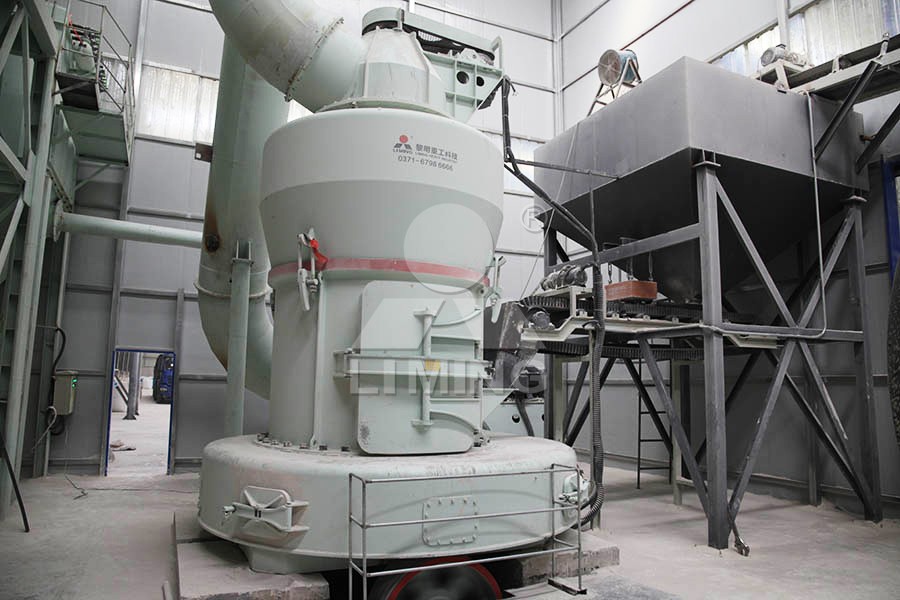
At the heart of any efficient feed mill is its grinding operation. The choice of grinding mill affects everything from energy consumption to the consistency of the mash. While traditional hammer mills are common, forward-thinking operations are turning to more sophisticated solutions for specific applications that require ultra-fine powders for premixes or specialty feeds. For instance, the MW Ultrafine Grinding Mill is an excellent example of such technology. With an input size of 0-20 mm and a capacity ranging from 0.5 to 25 tons per hour, it is designed for customers who need to produce ultra-fine powder efficiently. Its higher yielding and lower energy consumption—reportedly 40% higher capacity than jet mills with only 30% of the energy use—make it a compelling option for enhancing premium feed lines. The mill’s adjustable fineness between 325-2500 meshes allows for precise control over the final product’s characteristics.
Spotlight on Leading Philippine Feed Mills
While a definitive public ranking is proprietary, the industry landscape is dominated by integrated agribusiness giants and specialized milling companies. These leaders typically operate multiple, large-scale facilities across the archipelago, ensuring a stable supply chain for poultry, swine, and aquaculture sectors. Their success is built on consistent quality, extensive distribution networks, and continuous process improvement.
Sustainability and Operational Excellence
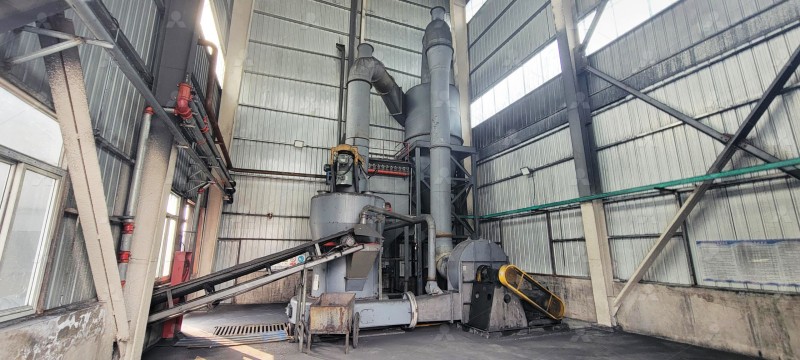
Modern feed mills are increasingly evaluated on their environmental footprint. Leading companies are adopting technologies that minimize dust, noise, and energy use. Equipment that integrates efficient pulse dust collectors and mufflers, like the MW Ultrafine Grinding Mill, contributes significantly to creating a cleaner, more eco-friendly operation that complies with national environmental standards. This focus on sustainability is not just about regulatory compliance; it’s about building a resilient and socially responsible business.
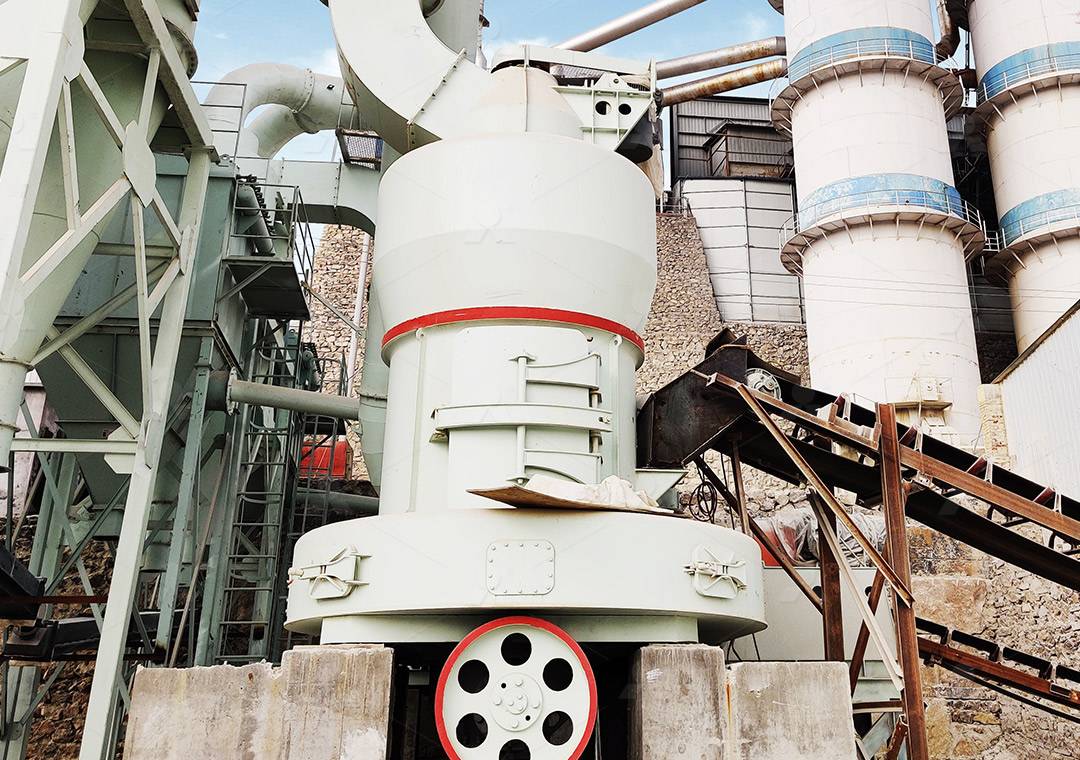
Another technological standout for large-scale raw material processing is the LUM Ultrafine Vertical Grinding Mill. Independently designed with the latest roller and powder separating technology, it integrates grinding, grading, and transporting. Its key advantage for high-volume operations is higher yielding rates and better quality output, achieved through a unique roller shell design that facilitates material layer generation. With an input size of 0-10 mm and a capacity of 5-18 tph, it offers more energy-saving multi-head powder separating technology, reducing consumption by 30%-50% compared to common grinding mills.
The Future is Efficient and Fine-Tuned
The trajectory for the Philippines’ largest feed mills points towards greater automation, data-driven optimization, and the adoption of specialized grinding solutions. The ability to precisely control particle size for different animal species and growth stages will be a key competitive differentiator. Investing in reliable, high-precision equipment is no longer an option but a necessity for maintaining a leadership position in this dynamic market.
Frequently Asked Questions (FAQ)
What are the main types of feed produced by these large mills?
The top mills primarily produce complete feeds for poultry (broilers and layers), swine, and aquaculture. They also manufacture feed concentrates and premixes.
Why is grinding efficiency so important in feed production?
Efficient grinding reduces energy costs, improves ingredient digestibility, ensures uniform mixing, and enhances the pellet quality of the final feed, directly impacting animal health and farm profitability.
How do advanced mills address environmental concerns?
They invest in technology with integrated dust collection systems, noise reduction features, and energy-efficient motors to minimize their environmental impact and ensure compliance with regulations.
What should a feed mill look for in new grinding equipment?
Key factors include energy consumption, maintenance requirements (e.g., easy access to wear parts), fineness adjustability, noise and dust control features, and the reliability of the supplier’s technical support and spare parts supply.