
Hammer Mill Crusher: Design, Materials, and Manufacturing Process Explained
We provide a wide range of mills — including Raymond mill, trapezoidal mill, vertical mill, ultrafine mill, and ball mill, obtained ISO9001 international quality certification, EU CE certification, and Customs Union CU-TR certification. Suitable for processing minerals such as limestone, phosphate, quicklime, kaolin, talc, barite, bentonite, calcium carbonate, dolomite, coal, gypsum, clay, carbon black, slag, cement raw materials, cement clinker, and more.
The discharge range of these mills can be adjusted to meet specific processing needs, typically from 80-400 mesh, 600-3250 mesh, and can achieve the finest particle size of up to 6000 mesh(D50).
If you are looking for a reliable grinding solution to turn stone or minerals into fine powder, please feel free to contact our online customer service.
Hammer Mill Crusher: Design, Materials, and Manufacturing Process Explained
Hammer mill crushers represent a cornerstone of modern material processing, offering robust reduction capabilities across numerous industries. Understanding their intricate design, material selection, and manufacturing process is crucial for optimizing performance and longevity. These machines operate on a simple yet effective principle: high-speed rotating hammers impact and shatter materials against breaker plates, achieving the desired particle size through controlled impact and attrition.
Core Design Principles and Material Selection
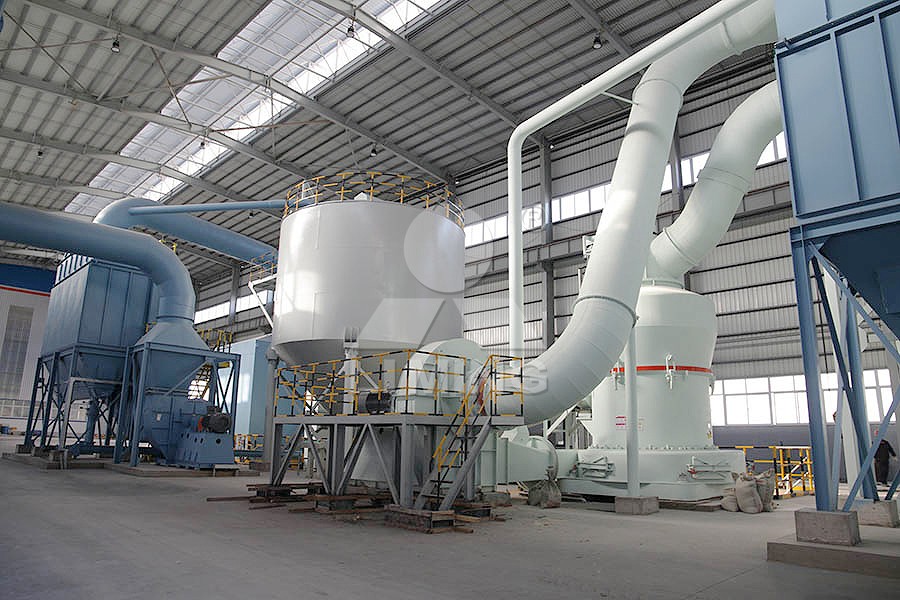
The efficacy of a hammer mill crusher hinges on its design geometry and the materials used for its critical wear parts. The grinding chamber is typically constructed from high-strength, abrasion-resistant steel plates to withstand continuous impact. The hammers themselves, the primary agents of comminution, are forged from high-chromium or manganese steel alloys, chosen for their exceptional hardness and impact resistance. This ensures they can repeatedly fracture hard materials without rapid degradation. The screen or grate assembly, which controls final particle size, is precision-manufactured from perforated steel, with aperture size and pattern meticulously calculated for specific applications.
The Precision Manufacturing Process
Manufacturing a high-performance hammer mill is a symphony of precision engineering. It begins with computer-aided design (CAD) to model stress points and optimize kinetic energy transfer. Key components like the rotor assembly are machined on CNC (Computer Numerical Control) equipment to guarantee perfect balance, which is paramount for smooth operation and minimal vibration. Dynamic balancing tests are conducted post-assembly to eliminate any residual imbalance. Welding procedures follow strict protocols, often using automated submerged arc welding for consistent, high-integrity joints that can endure cyclical loading. The final stages involve rigorous quality control checks and test runs with sample materials to verify performance metrics against design specifications.
Integrating Hammer Mills into Broader Grinding Circuits
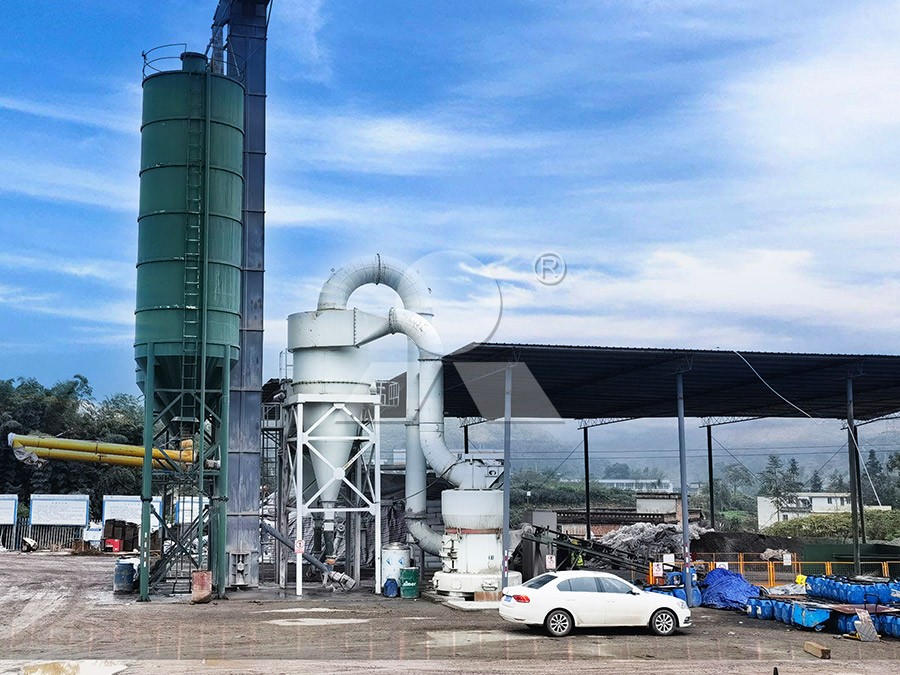
While hammer mills excel at primary and secondary crushing of coarse materials, many industrial processes require subsequent fine or ultra-fine grinding stages. This is where selecting complementary equipment becomes critical. For operations that begin with a hammer mill for initial size reduction, integrating a fine grinding mill can create a highly efficient, multi-stage process. For instance, after a hammer mill crushes limestone to a 0-20mm size, our MW Ultrafine Grinding Mill is an ideal next step. It is expertly engineered to produce ultra-fine powder with a fineness adjustable between 325-2500 meshes, handling capacities from 0.5 to 25 tph. Its advanced cage-type powder selector and absence of rolling bearings in the grinding chamber make it exceptionally efficient and reliable for continuous operation.
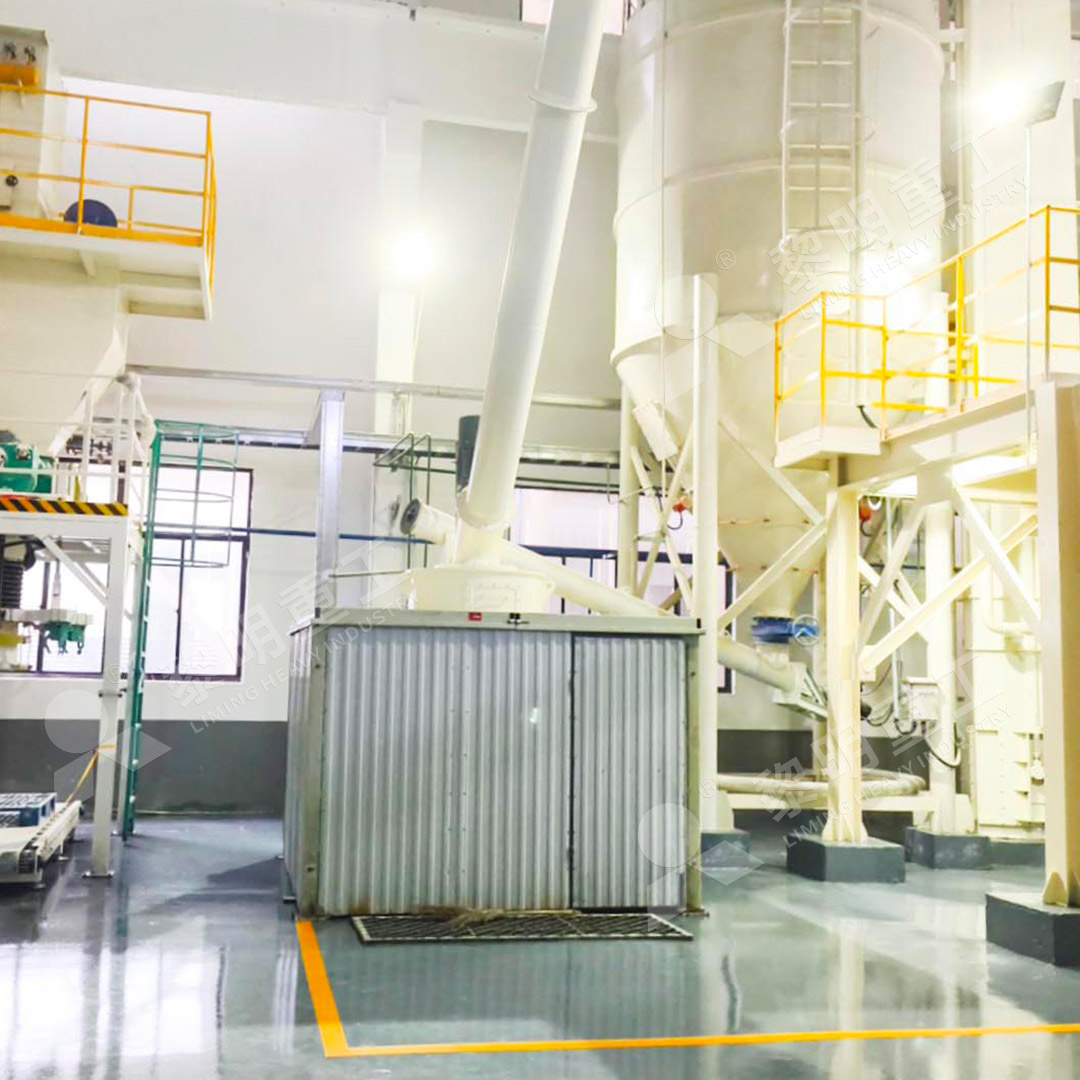
For applications demanding even higher precision in a vertical configuration, the LUM Ultrafine Vertical Grinding Mill offers another excellent solution. With an input size of 0-10mm and a capacity of 5-18 tph, it integrates ultrafine powder grinding, grading, and transporting into a single, compact unit. Its unique roller shell and lining plate grinding curve promote efficient material layer generation, resulting in higher yielding rates and better product quality, making it a superior choice for producing superfine dry powders.
Conclusion
The hammer mill crusher remains an indispensable tool for coarse grinding. Its value is maximized when its design, materials, and manufacturing are understood and when it is paired with the right secondary grinding technology. By choosing equipment like the MW or LUM series for fine grinding stages, operators can build a complete, efficient, and cost-effective size reduction system tailored to their specific production goals.
Frequently Asked Questions (FAQ)
- What is the primary advantage of a hammer mill crusher?
Its main advantage is its ability to handle a wide variety of materials and its high reduction ratio for coarse to medium grinding, achieved through simple impact mechanics. - What materials are hammers typically made from?
Hammers are commonly manufactured from high-carbon steel or high-chromium/manganese alloys to provide maximum resistance to wear and impact shock. - How is the final particle size controlled in a hammer mill?
Particle size is primarily determined by the size of the screen or grate openings located at the mill’s discharge. Smaller openings yield a finer product. - Can a hammer mill be used for ultra-fine grinding?
While excellent for coarse reduction, hammer mills are generally not suitable for ultra-fine grinding. For this purpose, specialized mills like the MW Ultrafine Grinding Mill or LUM Vertical Grinding Mill are recommended for efficient and precise results. - Why is rotor balance so important?
Proper rotor balance is critical to minimize vibration, which reduces wear on bearings and other components, lowers noise levels, and ensures smooth, stable operation, thereby extending the machine’s service life.