
Essential Kaolin Mill Maintenance Guide for Optimal Performance
We provide a wide range of mills — including Raymond mill, trapezoidal mill, vertical mill, ultrafine mill, and ball mill, obtained ISO9001 international quality certification, EU CE certification, and Customs Union CU-TR certification. Suitable for processing minerals such as limestone, phosphate, quicklime, kaolin, talc, barite, bentonite, calcium carbonate, dolomite, coal, gypsum, clay, carbon black, slag, cement raw materials, cement clinker, and more.
The discharge range of these mills can be adjusted to meet specific processing needs, typically from 80-400 mesh, 600-3250 mesh, and can achieve the finest particle size of up to 6000 mesh(D50).
If you are looking for a reliable grinding solution to turn stone or minerals into fine powder, please feel free to contact our online customer service.
Essential Kaolin Mill Maintenance Guide for Optimal Performance
Maintaining a kaolin grinding mill isn’t just about fixing problems as they arise; it’s a proactive strategy to ensure consistent product quality, maximize uptime, and protect your capital investment. Kaolin, with its specific properties, demands a meticulous approach to mill care. This guide outlines the key practices to keep your operation running smoothly and profitably.
Daily and Weekly Maintenance Routines
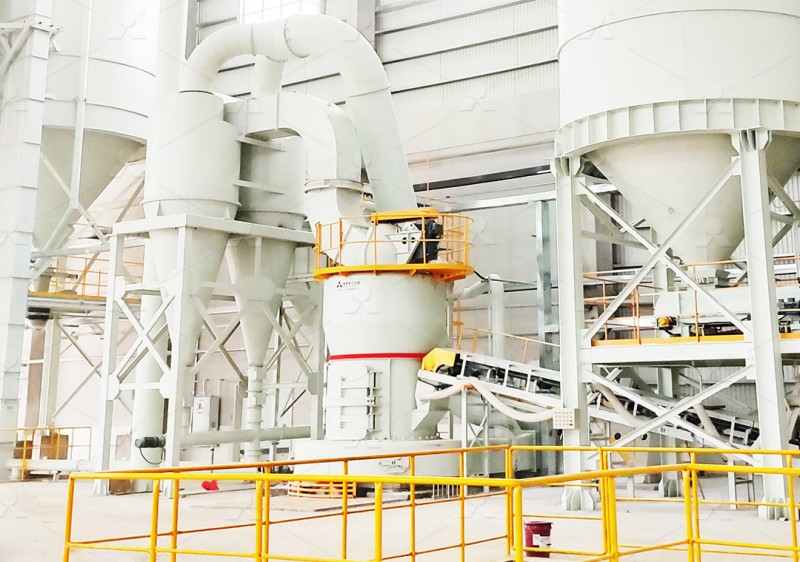
The cornerstone of effective maintenance is a disciplined routine. Daily checks should be quick but thorough. Before startup, listen for unusual noises and visually inspect for oil leaks, loose bolts, or any signs of wear on belts and couplings. Monitor motor amperage and bearing temperatures during operation, as sudden changes can be early indicators of issues. Weekly, conduct a more detailed inspection of the lubrication system, ensuring oil levels are correct and filters are clean. Check the tension of drive components and inspect the grinding elements for abnormal wear patterns.
Lubrication: The Lifeblood of Your Mill
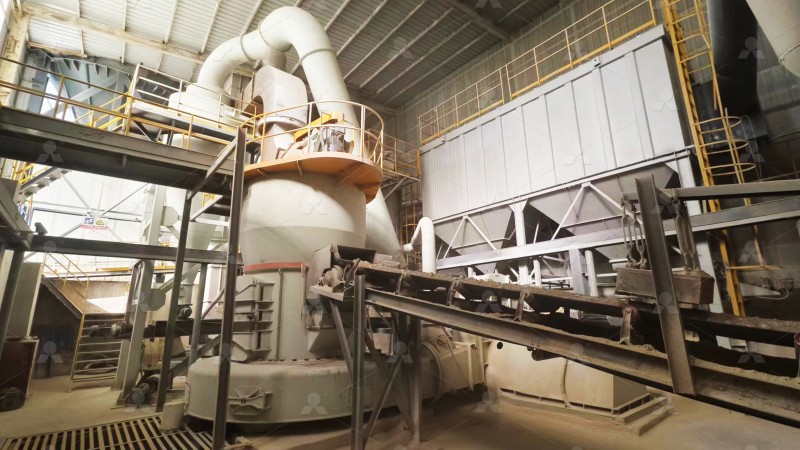
Proper lubrication is arguably the most critical aspect of mill maintenance. Using the correct grade of oil or grease, as specified by the manufacturer, is non-negotiable. Establish a strict schedule for oil changes and greasing based on operating hours, not just calendar time. Pay special attention to main bearings and gearboxes. For operations seeking to minimize lubrication-related downtime, modern designs offer significant advantages. For instance, our MW Ultrafine Grinding Mill features an external lubricating device that allows for lubrication without shutdown, enabling continuous 24/7 production—a crucial benefit for high-volume kaolin processing. Furthermore, its design eliminates rolling bearings and screws inside the grinding chamber, removing common failure points and simplifying the lubrication regimen.
Wear Parts Monitoring and Replacement
Grinding rollers, rings, and liners are consumable items in any kaolin mill. Regularly scheduled inspections are vital to predict their end-of-life and plan replacements during planned shutdowns, avoiding unplanned production halts. Keep a log of wear rates to establish predictable replacement intervals. When replacing parts, insist on OEM-original spares. They are engineered to precise specifications, ensuring optimal grinding efficiency, particle size distribution, and longevity, which ultimately protects your mill’s performance and your kaolin product quality.
Optimizing Performance with Advanced Mill Technology
For operations focused on ultra-fine kaolin powders, selecting the right mill technology directly impacts maintenance needs and operational efficiency. A mill designed for high precision and low operational stress will inherently require less intensive maintenance. The LUM Ultrafine Vertical Grinding Mill is an excellent example, incorporating features that enhance stability and simplify upkeep. Its double position-limiting technology prevents destructive impacts from machine vibration, while the reversible structure allows grinding rollers to be easily moved out of the body for inspection and maintenance, drastically reducing downtime and labor costs associated with servicing core components.
Systematic Shutdowns and Overhauls
Plan a comprehensive maintenance shutdown at least once a year. This is the time for major overhauls: inspecting internal wear parts, checking alignments, cleaning internal passages, and calibrating control systems. A thorough shutdown inspection can identify potential problems long before they lead to catastrophic failure.
Frequently Asked Questions (FAQ)
Q1: How often should I check the grinding rollers and rings in my kaolin mill?
A: We recommend a visual inspection weekly and a detailed measurement of wear monthly. The exact interval depends on the abrasiveness of your specific kaolin feed and the mill’s operating hours. Establishing a wear rate baseline will help you create a predictive replacement schedule.
Q2: What is the most common cause of premature bearing failure in grinding mills?
A: The primary cause is often improper lubrication—either using the wrong type of lubricant, over-lubrication, under-lubrication, or contamination. Ensuring a clean, well-sealed lubrication system and adhering to a strict schedule is the best prevention.
Q3: My mill is producing more coarse particles than usual. What could be the issue?
A: This typically points to wear on the grinding elements (rollers/rings) or an issue with the classifier or separator. First, inspect the wear parts. If they are within tolerance, check the classifier blades for damage and ensure the rotor speed is correctly set for your desired fineness.
Q4: Are there mill designs that inherently reduce maintenance frequency?
A: Absolutely. Modern mills like the MW Series and LUM Series are designed with maintenance reduction in mind. Features like external lubrication systems, no internal screws or rolling bearings in the grinding chamber, and reversible roller assemblies are specifically engineered to simplify upkeep and extend service intervals.