
How Much Does a Gold Grinding Mill Cost in South Africa for Indonesian Buyers?
We provide a wide range of mills — including Raymond mill, trapezoidal mill, vertical mill, ultrafine mill, and ball mill, obtained ISO9001 international quality certification, EU CE certification, and Customs Union CU-TR certification. Suitable for processing minerals such as limestone, phosphate, quicklime, kaolin, talc, barite, bentonite, calcium carbonate, dolomite, coal, gypsum, clay, carbon black, slag, cement raw materials, cement clinker, and more.
The discharge range of these mills can be adjusted to meet specific processing needs, typically from 80-400 mesh, 600-3250 mesh, and can achieve the finest particle size of up to 6000 mesh(D50).
If you are looking for a reliable grinding solution to turn stone or minerals into fine powder, please feel free to contact our online customer service.
Navigating the Cost of Gold Grinding Mills from South Africa
For Indonesian mining companies and entrepreneurs looking to capitalize on the nation’s rich mineral resources, investing in reliable and efficient grinding equipment is a critical step. South Africa, with its deep-rooted mining heritage and robust manufacturing sector, is a prime source for high-quality grinding mills. However, the question of cost is rarely straightforward. The price tag for a gold grinding mill sourced from South Africa for an Indonesian buyer is influenced by a complex interplay of factors beyond the initial machine purchase.
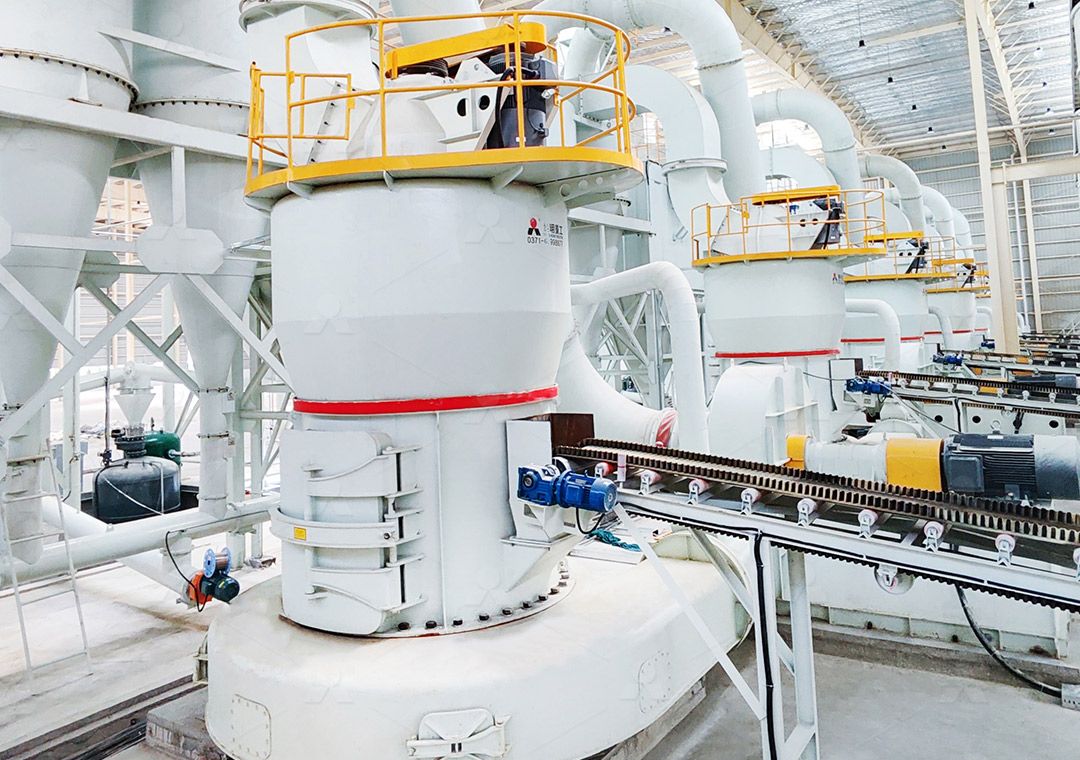
Key Factors Influencing the Final Cost
Understanding the total cost of ownership is crucial. It’s not just the FOB (Free On Board) price from the manufacturer. Key considerations include:
- Mill Model and Capacity: A small-scale Raymond mill will have a significantly different price point than a large-capacity vertical roller mill. Your required throughput (e.g., tons per hour) is the primary determinant.
- Customization and Specifications: Additional features like advanced automation, specific material-grade components for corrosion resistance, or special dust collection systems will add to the base cost.
- Shipping and Logistics: The sea freight cost from South Africa to a major Indonesian port like Jakarta or Surabaya is a major component. This includes insurance, customs brokerage fees, and port handling charges.
- Import Duties and Taxes: Indonesian import regulations and applicable tariffs must be factored into the total landed cost.
- Installation and Commissioning: Will you need engineers from the supplier to travel to Indonesia for installation? This involves costs for flights, accommodation, and per diem.
- After-Sales Support and Spare Parts: A reliable supply of genuine spare parts and accessible technical support is an investment in long-term, worry-free operation.
Choosing the Right Mill for Indonesian Gold Processing
Selecting the appropriate technology is paramount for profitability. While traditional ball mills are common, modern vertical grinding mills offer superior energy efficiency and finer grinding capabilities, which can be advantageous for liberating gold from complex ores. For Indonesian buyers processing gold ore, a mill that delivers consistent fineness with lower operational costs is ideal.
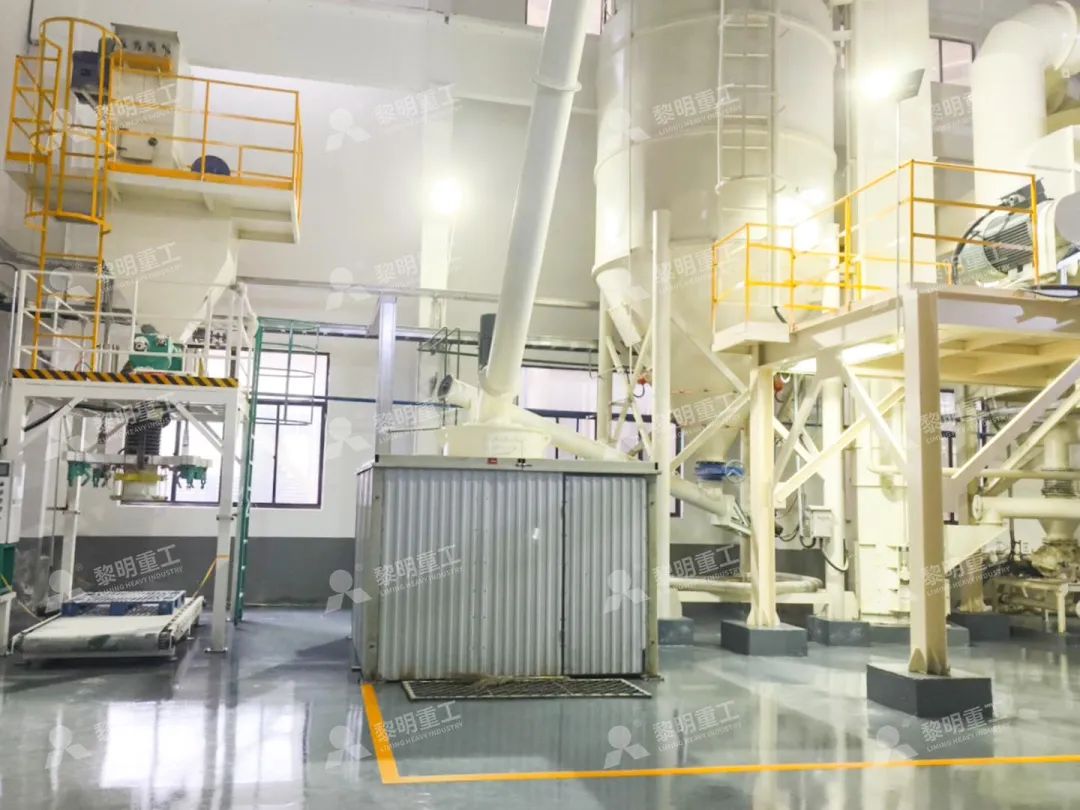
A Smart Investment: The MW Ultrafine Grinding Mill
For operations focused on producing ultra-fine powders for maximum gold recovery, the MW Ultrafine Grinding Mill presents an excellent solution. This machine is specifically engineered for customers who need to make ultra-fine powder efficiently. With an input size of 0-20 mm and a capacity range of 0.5-25 tph, it offers great flexibility for small to medium-scale operations common in Indonesia.
Its standout features include significantly higher yielding and lower energy consumption—up to 40% higher capacity than jet mills while using only 30% of the energy. The fineness is adjustable between 325-2500 meshes, allowing precise control over the final product. Furthermore, its design eliminates rolling bearings and screws in the grinding chamber, drastically reducing maintenance worries and the risk of machine damage from loose parts. For environmentally conscious operations, its efficient pulse dust collector ensures the production process meets stringent environmental standards.
Another Strong Contender: The LUM Ultrafine Vertical Grinding Mill
If your operation demands the latest in grinding technology, the LUM Ultrafine Vertical Grinding Mill is another top-tier option. With an input size of 0-10 mm and a capacity of 5-18 tph, it integrates ultrafine powder grinding, grading, and transporting in a single, compact unit. It boasts advanced features like multi-head powder separating technology for more energy-saving operation (30%-50% less consumption than common mills) and a unique reversible structure that makes maintenance easier and faster, minimizing costly downtime.

Frequently Asked Questions (FAQ)
What is the typical price range for a gold grinding mill from South Africa?
There is no single “typical” price. Small-scale mills can start from tens of thousands of US dollars, while large, high-capacity, customized systems can run into hundreds of thousands. The total landed cost in Indonesia can be 20-40% above the FOB price after factoring in shipping, insurance, and import duties.
How can I get an accurate quotation?
Contact suppliers directly with your specific requirements: desired final product fineness, required hourly capacity, ore characteristics (hardness, moisture content), and preferred level of automation. Reputable suppliers will provide a detailed quotation breaking down the machine cost, optional accessories, and estimated shipping costs.
Are there reliable suppliers who understand the Indonesian market?
Yes. Established manufacturers with a global presence often have experience shipping to Indonesia and can guide you through the logistics and documentation process. Look for companies that emphasize comprehensive after-sales service and have a proven track record of supplying the Southeast Asian mining sector.
Why consider a vertical mill over a traditional ball mill for gold processing?
Vertical mills like the MW and LUM series generally offer higher energy efficiency, better drying capacity for moist ores, a smaller footprint, and lower noise levels. They can achieve a more consistent particle size distribution, which is critical for optimizing gold recovery rates in subsequent processes like leaching or flotation.