
Italy Made Grinding Mills: A Guide to Mineral Processing Equipment
We provide a wide range of mills — including Raymond mill, trapezoidal mill, vertical mill, ultrafine mill, and ball mill, obtained ISO9001 international quality certification, EU CE certification, and Customs Union CU-TR certification. Suitable for processing minerals such as limestone, phosphate, quicklime, kaolin, talc, barite, bentonite, calcium carbonate, dolomite, coal, gypsum, clay, carbon black, slag, cement raw materials, cement clinker, and more.
The discharge range of these mills can be adjusted to meet specific processing needs, typically from 80-400 mesh, 600-3250 mesh, and can achieve the finest particle size of up to 6000 mesh(D50).
If you are looking for a reliable grinding solution to turn stone or minerals into fine powder, please feel free to contact our online customer service.
Italy Made Grinding Mills: A Guide to Mineral Processing Equipment
Italy has long been synonymous with precision engineering and manufacturing excellence, and its mineral processing equipment is no exception. Italian-made grinding mills are renowned worldwide for their robust construction, innovative designs, and exceptional efficiency in handling a vast array of materials, from limestone and calcite to more specialized industrial minerals.
The core of any mineral processing operation lies in its ability to reduce raw materials to a consistent, fine powder. This process is critical across numerous industries, including construction, chemicals, paints, and pharmaceuticals. The choice of grinding mill directly impacts product quality, operational costs, and environmental footprint.
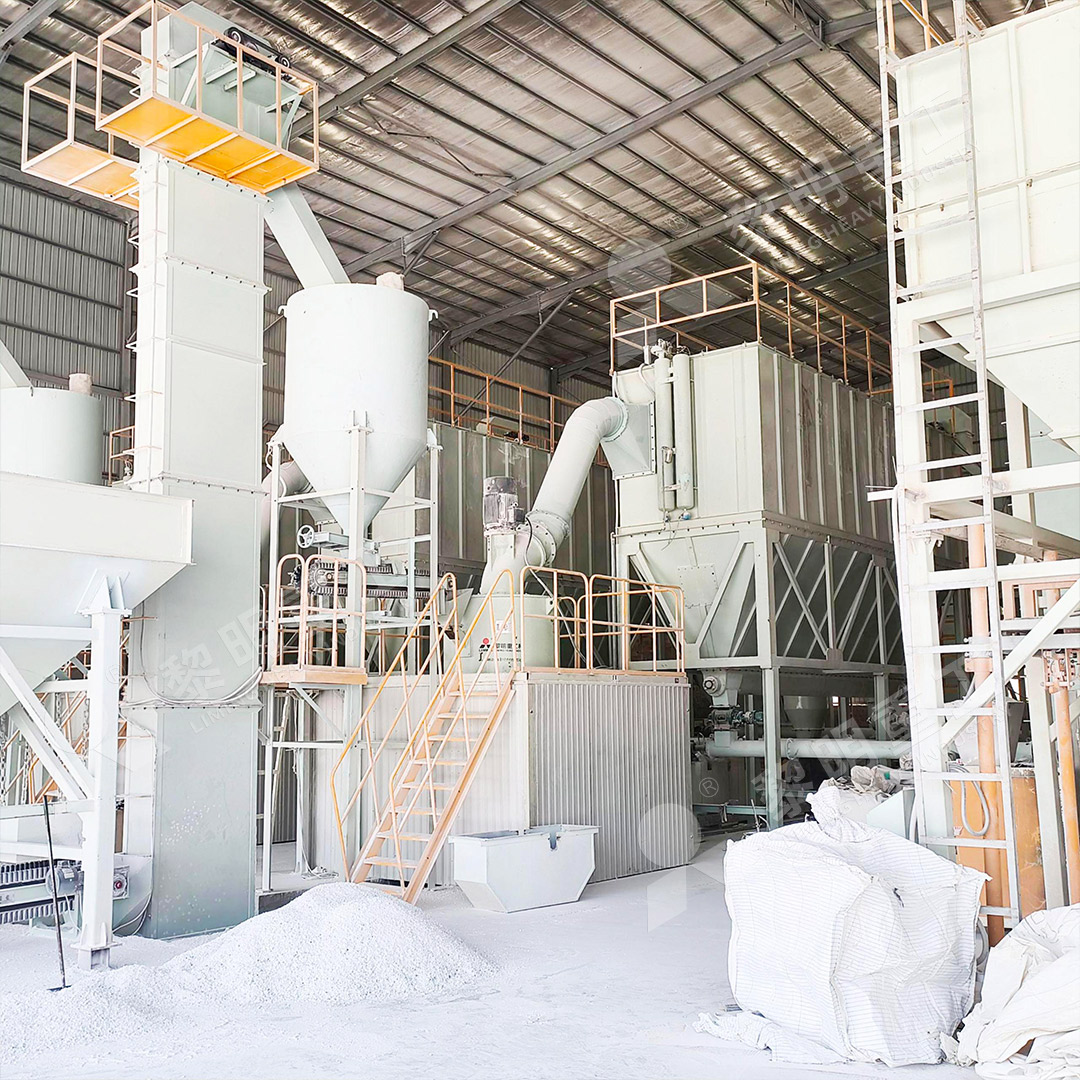
Key Considerations in Mill Selection
Selecting the right grinding mill involves a careful analysis of several factors. The input size of the raw material, the required production capacity (in tons per hour), and the desired fineness of the final product are the primary determinants. Furthermore, energy consumption, ease of maintenance, and adherence to environmental standards are increasingly important in today’s industrial landscape. Italian engineering often leads the way in addressing these concerns with smart, sustainable solutions.
For operations demanding ultra-fine powders with superior precision, advanced milling technologies are essential. A standout example is the MW Ultrafine Grinding Mill. This machine is engineered for customers who need to produce powder within a range of 325 to 2500 meshes. With an input size of 0-20 mm and a capacity ranging from 0.5 to 25 tph, it offers remarkable flexibility. Its design incorporates an efficient pulse dust collector and muffler, significantly reducing dust and noise emissions for a more environmentally friendly operation. A key feature is the absence of rolling bearings and screws in the grinding chamber, which eliminates common failure points and allows for external lubrication without shutdown, enabling continuous 24/7 production.
Vertical Grinding Solutions for Enhanced Efficiency
When floor space is at a premium and energy efficiency is paramount, vertical grinding mills present an optimal solution. These mills integrate multiple processes like drying, grinding, and classifying into a single, compact unit. The LUM Ultrafine Vertical Grinding Mill exemplifies this approach. Designed with a capacity of 5-18 tph for sub-10mm materials, it leverages the latest grinding roller and powder separating technologies. Its unique roller shell and lining plate grinding curve facilitate easy material layer formation, enabling high yields of finished product in a single pass. The mill’s reversible structure is a maintenance boon, allowing grinding rollers to be easily moved out of the body for inspection and part replacement, thereby minimizing downtime.
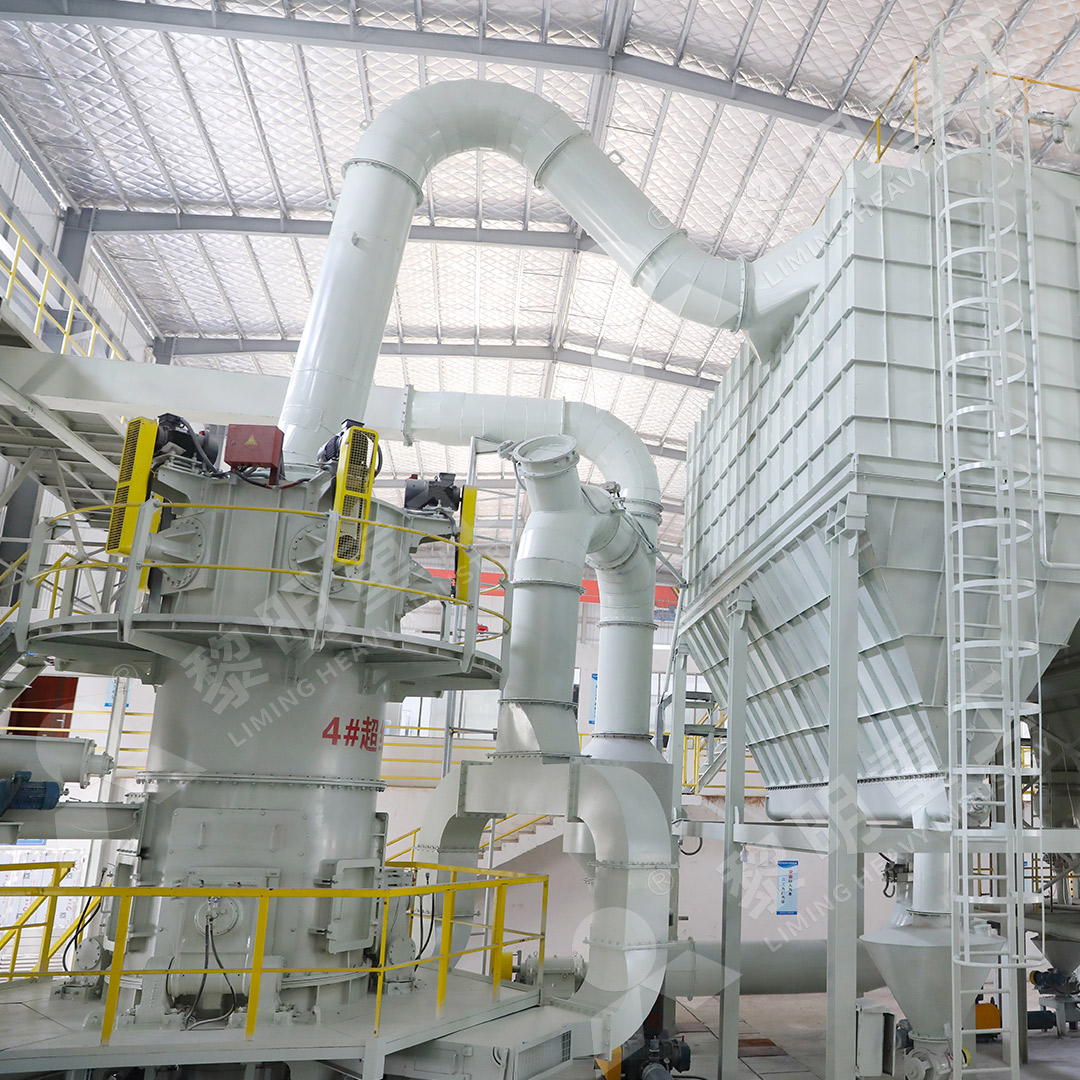
Beyond these specialized models, Italy’s manufacturing sector offers a comprehensive portfolio, including the robust LM Vertical Mill for high-capacity needs, the reliable MTW European Trapezium Mill, and the classic Raymond Mill for smaller-scale applications. Each is built with the precision and durability that Italian industry is known for.
Commitment to Quality and Support
A critical aspect often overlooked is long-term operational support. Leading Italian manufacturers understand that a mill is a long-term investment. They ensure a sufficient supply of genuine spare parts and provide comprehensive technical services, guaranteeing worry-free operation throughout the equipment’s lifecycle. This commitment to after-sales support is a hallmark of quality.
Frequently Asked Questions (FAQ)
What is the main advantage of an ultrafine grinding mill?
The primary advantage is the ability to produce exceptionally fine and consistent powders (down to 5μm or less), which is crucial for high-value applications in industries like cosmetics, pharmaceuticals, and advanced chemicals. Mills like the MW series achieve this with higher energy efficiency compared to traditional methods.
How does a vertical mill save space and energy?
Vertical mills have a compact, integrated design that combines crushing, drying, grinding, and classifying in one unit. This reduces the overall footprint by up to 50% compared to ball mill systems. Their grinding principle is also more efficient, typically saving 30-50% in energy consumption.
Are Italian grinding mills suitable for hard, abrasive materials?
Yes. Italian mills are constructed with high-performance wear-resistant materials for critical components like rollers and rings. Technologies like the unique grinding curves and robust mechanical structures are designed to handle hard and abrasive materials effectively while maintaining product quality and equipment longevity.
What environmental features are incorporated?
Modern Italian grinding mills are designed with stringent environmental standards in mind. Standard features include efficient pulse jet dust collectors to eliminate dust pollution, silencers and soundproofing rooms to minimize noise, and fully sealed systems that operate under negative pressure to prevent any material spillage.