
How Much Does a New Industrial Grinding Mill Cost? A 2024 Price Guide
We provide a wide range of mills — including Raymond mill, trapezoidal mill, vertical mill, ultrafine mill, and ball mill, obtained ISO9001 international quality certification, EU CE certification, and Customs Union CU-TR certification. Suitable for processing minerals such as limestone, phosphate, quicklime, kaolin, talc, barite, bentonite, calcium carbonate, dolomite, coal, gypsum, clay, carbon black, slag, cement raw materials, cement clinker, and more.
The discharge range of these mills can be adjusted to meet specific processing needs, typically from 80-400 mesh, 600-3250 mesh, and can achieve the finest particle size of up to 6000 mesh(D50).
If you are looking for a reliable grinding solution to turn stone or minerals into fine powder, please feel free to contact our online customer service.
How Much Does a New Industrial Grinding Mill Cost? A 2024 Price Guide
Investing in an industrial grinding mill is a significant decision that impacts your operational efficiency, product quality, and bottom line. One of the most common questions we encounter is, “What is the price?” The answer, however, is rarely a single number. The cost of a new grinding mill in 2024 is influenced by a complex interplay of factors, from raw material specifications to desired production outcomes. This guide will break down these variables to help you understand the investment required.
Key Factors Influencing Grinding Mill Costs
The price tag on a grinding mill can vary dramatically, from tens of thousands to several hundred thousand dollars. Here’s what drives that range:
- Capacity and Throughput: This is the most significant factor. A mill with a capacity of 1-2 tons per hour (tph) will cost substantially less than one rated for 50+ tph. Your required output directly scales with the size and power of the machinery.
- Fineness of the Final Product: Achieving a coarse powder is relatively straightforward. Producing ultra-fine powders (e.g., 800-2500 meshes) requires more sophisticated technology, such as advanced internal classifiers and precision grinding mechanisms, which increases the cost.
- Material Characteristics: The hardness, abrasiveness, and moisture content of your raw material dictate the mill’s construction. Grinding highly abrasive materials like quartz requires more durable, wear-resistant liners and rollers, impacting the price.
- Technology and Features: Modern mills offer features like automated control systems, integrated drying capabilities, and advanced dust collection. While these add to the initial cost, they deliver long-term savings through reduced labor, lower energy consumption, and improved environmental compliance.
- After-Sales Support and Warranty: A reliable supplier offering comprehensive warranties, readily available spare parts, and technical support is crucial. This peace of mind is factored into the overall value proposition.
Spotlight on Advanced Grinding Solutions
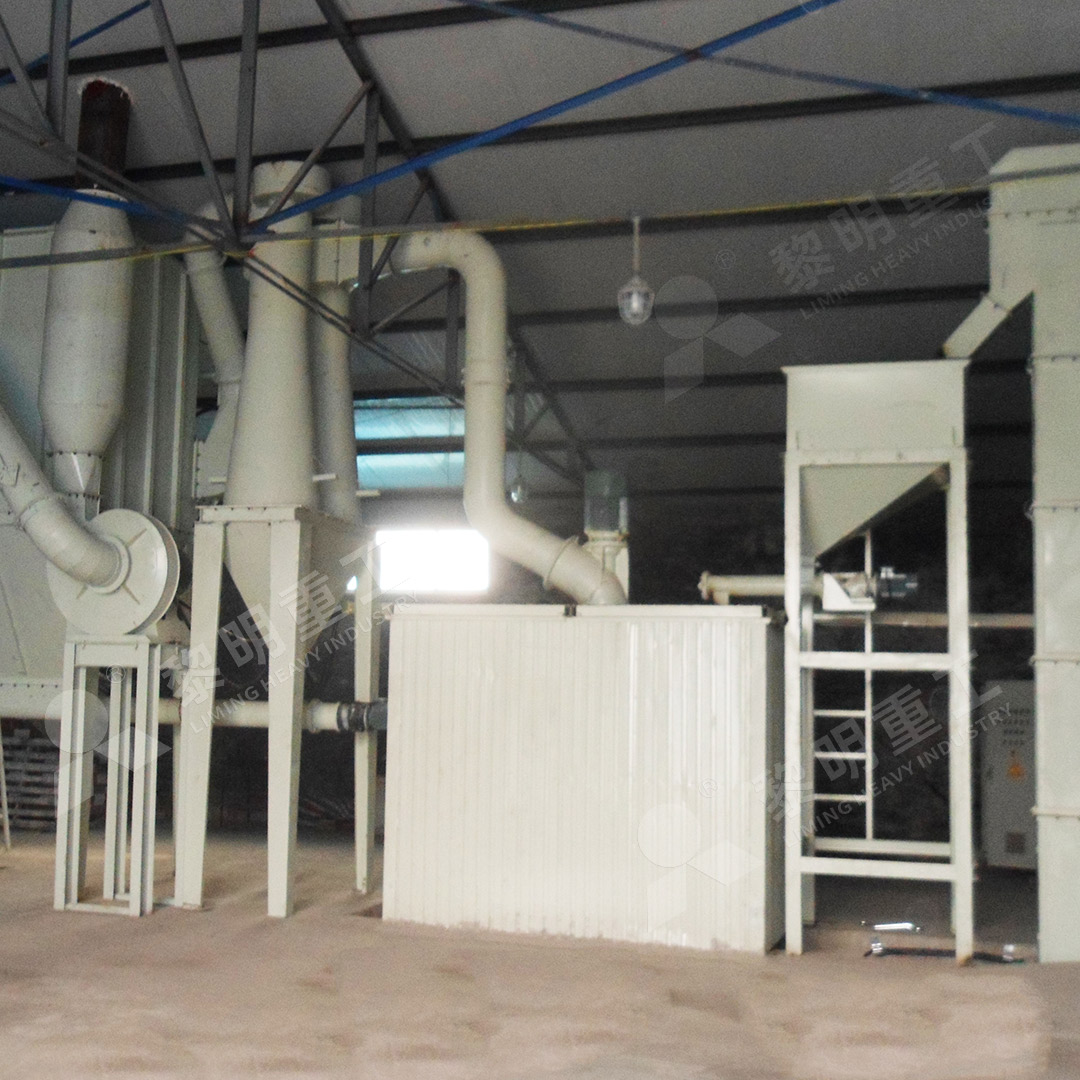
For operations demanding ultra-fine powders with high efficiency, specialized mills are the answer. A prime example is our MW Ultrafine Grinding Mill. Engineered for customers who need to produce powders between 325 and 2500 meshes, this machine represents the cutting edge of grinding technology. It handles materials like limestone, calcite, and talc with an input size of 0-20 mm and a capacity range of 0.5-25 tph.
The MW Series stands out due to its innovative design. It features a German-technology cage-type powder selector for precise fineness control and a unique grinding chamber with no rolling bearings or screws, eliminating common failure points. Furthermore, its efficient pulse dust collector and muffler ensure the production process is both eco-friendly and quiet, aligning with stringent environmental standards. With a production capacity reported to be 40% higher than jet mills and energy consumption only 30% of them, the MW Series offers a compelling balance of performance and operational economy.
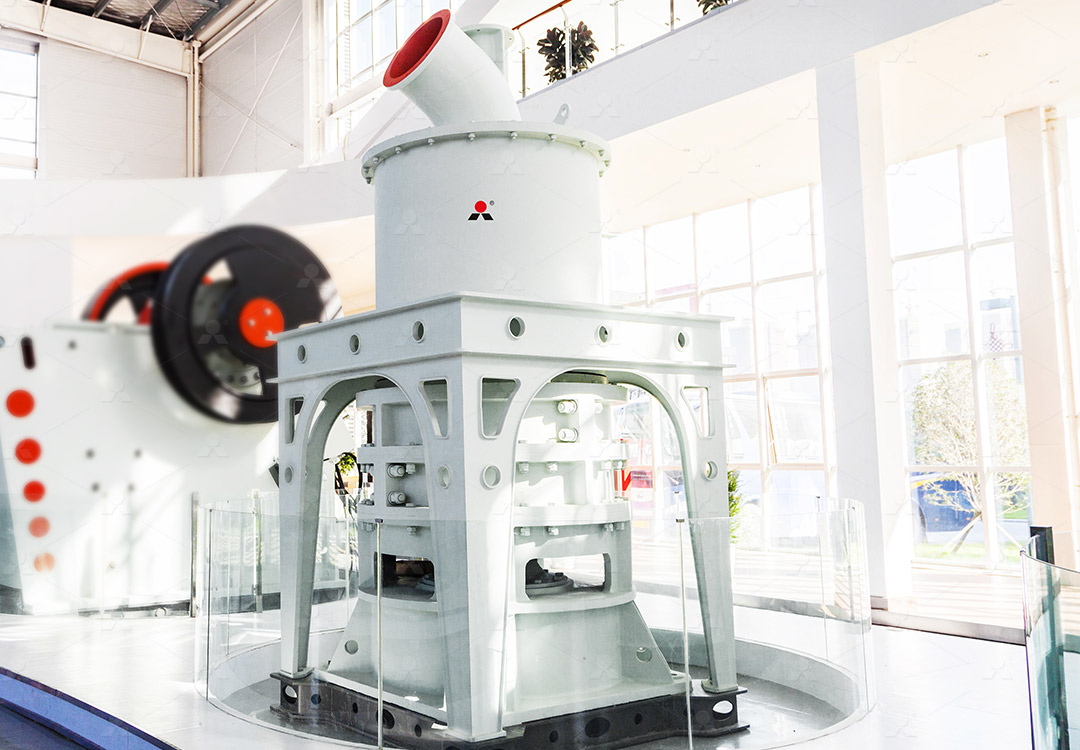
Another excellent option for ultra-fine processing is the LUM Ultrafine Vertical Grinding Mill. Ideal for slightly smaller feed sizes (0-10 mm) with a capacity of 5-18 tph, the LUM Mill integrates grinding, grading, and transporting into a single, compact unit. Its key advantage lies in its unique roller shell and lining plate grinding curve, which is easier to generate a material layer for more efficient grinding and higher whiteness of finished products. The multi-head powder separating technology and PLC control system allow for precise adjustments, reducing energy consumption by 30%-50% compared to conventional mills.
Beyond the Purchase Price: Total Cost of Ownership
A savvy buyer looks beyond the initial invoice. The Total Cost of Ownership (TCO) includes:
- Energy Consumption: High-efficiency mills can save thousands of dollars annually on electricity.
- Maintenance and Spare Parts: Mills designed for easy maintenance and with a reliable supply of spare parts minimize downtime and long-term costs.
- Durability: Investing in a robustly built mill from a reputable manufacturer like LIMING ensures a longer service life and better return on investment.
Frequently Asked Questions (FAQ)
What is the typical price range for a new industrial grinding mill?
Prices can range from approximately $50,000 for a small-scale Raymond mill to over $500,000 for a large-capacity, fully automated vertical roller mill with advanced features. The final cost is entirely dependent on the factors discussed above.
How can I get an accurate quote for my project?
Contact a reputable supplier with detailed information: the material you need to grind, desired fineness (in meshes or microns), required hourly capacity, and any specific features you need (e.g., drying). They will perform a technical analysis to recommend the most suitable model and provide a precise quotation.
Are there financing options available for such equipment?
Yes, many manufacturers and their financial partners offer leasing or financing plans to help businesses manage capital expenditure and spread the cost over time.
Why should I choose a LIMING grinding mill?
LIMING Heavy Industry has decades of experience in grinding mill production. Our mills, like the MW and LUM series, incorporate patented technologies for higher yield, lower energy consumption, and exceptional reliability. We stand behind every machine with comprehensive technical support and a guaranteed supply of original spare parts, ensuring your operation runs smoothly for years to come.