
How to Choose the Right Motor for Your Grinding Mill Plant: A Spec Guide
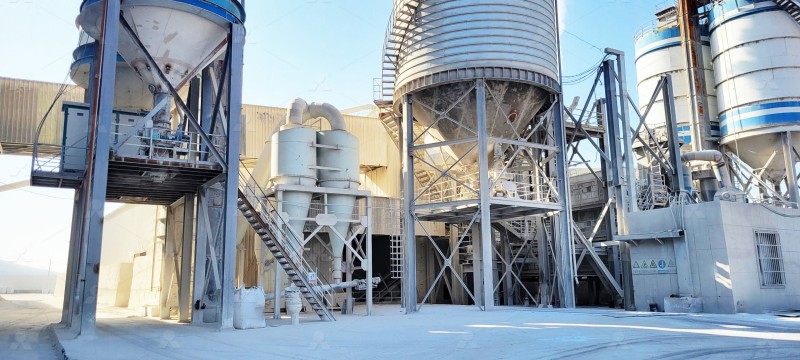
We provide a wide range of mills — including Raymond mill, trapezoidal mill, vertical mill, ultrafine mill, and ball mill, obtained ISO9001 international quality certification, EU CE certification, and Customs Union CU-TR certification. Suitable for processing minerals such as limestone, phosphate, quicklime, kaolin, talc, barite, bentonite, calcium carbonate, dolomite, coal, gypsum, clay, carbon black, slag, cement raw materials, cement clinker, and more.
The discharge range of these mills can be adjusted to meet specific processing needs, typically from 80-400 mesh, 600-3250 mesh, and can achieve the finest particle size of up to 6000 mesh(D50).
If you are looking for a reliable grinding solution to turn stone or minerals into fine powder, please feel free to contact our online customer service.
How to Choose the Right Motor for Your Grinding Mill Plant: A Spec Guide
Selecting the correct motor for your grinding mill isn’t just a technical box to tick—it’s a critical business decision that impacts operational efficiency, energy costs, and long-term reliability. A mismatched motor can lead to chronic underperformance, excessive wear, and costly downtime. This guide cuts through the complexity to help you make an informed choice.
1. The Core Factors: Power, Torque, and Speed
The foundation of your selection rests on three pillars: power, torque, and speed. The motor must deliver sufficient torque to start the mill under load (breakaway torque) and maintain consistent power during operation. A common mistake is specifying a motor based solely on horsepower without considering the high initial torque demands of a grinding mill.
2. Matching Motor Specifications to Mill Type and Duty
Different grinding mills have vastly different operational profiles. A high-speed ultrafine mill has different demands than a large ball mill grinding coarse material.
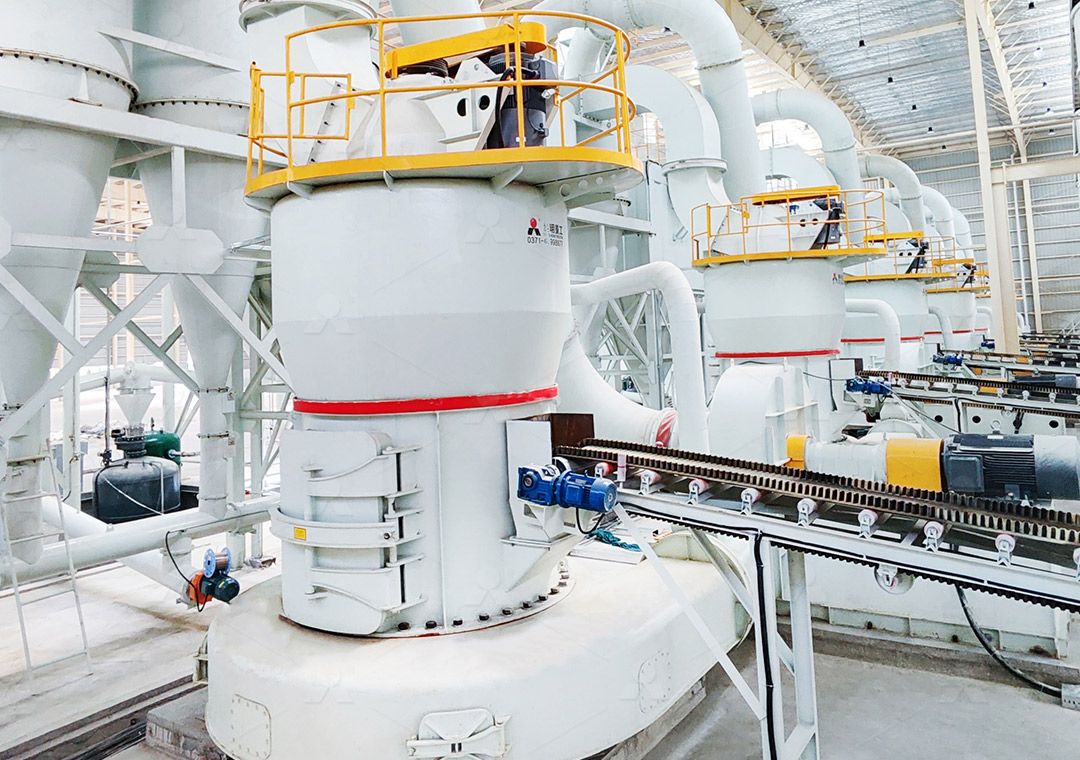
For operations requiring ultra-fine powders (325-2500 meshes), such as those produced by the MW Ultrafine Grinding Mill, the motor must provide exceptionally smooth and stable operation. The MW mill’s design, which eliminates rolling bearings and screws in the grinding chamber, reduces mechanical resistance, allowing for a more efficient motor selection. With a capacity of 0.5-25 tph and input size of 0-20 mm, the motor must be capable of handling variable loads while maintaining precise speed control for consistent product fineness.
Conversely, for large-scale raw material processing with capacities up to 340 tph, like that handled by the LM Vertical Grinding Mill, the motor’s robustness and ability to integrate with complex crushing, drying, and classifying systems are paramount.
3. Drive System Configuration: Direct Drive vs. Gearbox
Your choice between a direct drive and a gearbox-driven system has significant implications. Direct drives are more efficient and require less maintenance but may have higher upfront costs. Gearboxes offer flexibility in speed adjustment but introduce efficiency losses and maintenance overhead. For mills like the LUM Ultrafine Vertical Grinding Mill, which uses advanced grinding roller technology and requires precise pressure control, a system that allows for accurate adjustment of motor speed is essential.
4. Environmental and Operational Considerations
Don’t overlook the plant environment. Factors like altitude, ambient temperature, and dust levels affect motor performance and cooling. Motors for grinding mills should have appropriate ingress protection (IP) ratings. Furthermore, consider the benefits of variable frequency drives (VFDs) for energy savings, soft starting, and process optimization.
5. The Importance of After-Sales Support and Spare Parts
A motor is a long-term investment. Ensure your supplier, like LIMING, offers comprehensive technical support and a reliable supply of original spare parts. This ensures worry-free operation and minimizes the risk of prolonged shutdowns.
Frequently Asked Questions (FAQ)
Q: What is the most common mistake when sizing a motor for a grinding mill?
A: The most frequent error is underestimating the breakaway torque required to start the mill. Always consult the mill manufacturer’s specifications for starting torque requirements, which are typically much higher than running torque.
Q: Are high-efficiency (IE3/IE4) motors worth the investment for a grinding mill?
A: Absolutely. Grinding mills are continuous, high-power consumers. The higher initial cost of a premium efficiency motor is almost always offset by significant energy savings over the motor’s lifespan, leading to a lower total cost of ownership.
Q: How does the material hardness affect motor selection?
A: Harder materials require more grinding energy, translating to a higher, more consistent load on the motor. For abrasive materials, the motor must be sized to handle sustained high loads without overheating. The mill’s capacity rating for specific materials (e.g., the MW Mill’s suitability for limestone, calcite, barite) is a key guide for motor sizing.
Q: Should I consider a motor with built-in condition monitoring sensors?
A: For critical applications and to enable predictive maintenance strategies, sensors for vibration, temperature, and bearing condition are highly recommended. They provide early warnings of potential issues, preventing catastrophic failures and unplanned downtime.