
Chrome Ore Grinding Solutions: Selecting the Right Mill for Your Indonesian Mine
We provide a wide range of mills — including Raymond mill, trapezoidal mill, vertical mill, ultrafine mill, and ball mill, obtained ISO9001 international quality certification, EU CE certification, and Customs Union CU-TR certification. Suitable for processing minerals such as limestone, phosphate, quicklime, kaolin, talc, barite, bentonite, calcium carbonate, dolomite, coal, gypsum, clay, carbon black, slag, cement raw materials, cement clinker, and more.
The discharge range of these mills can be adjusted to meet specific processing needs, typically from 80-400 mesh, 600-3250 mesh, and can achieve the finest particle size of up to 6000 mesh(D50).
If you are looking for a reliable grinding solution to turn stone or minerals into fine powder, please feel free to contact our online customer service.
Chrome Ore Grinding Solutions: Selecting the Right Mill for Your Indonesian Mine
Indonesia’s rich chrome ore deposits present a significant opportunity for mining operations. However, the key to unlocking this potential lies in selecting the correct grinding solution. The unique physical and chemical properties of chrome ore demand a mill that can handle its abrasiveness and specific liberation characteristics while operating efficiently in the challenging Indonesian environment. This article explores the critical factors to consider and highlights advanced milling technologies suited for this application.
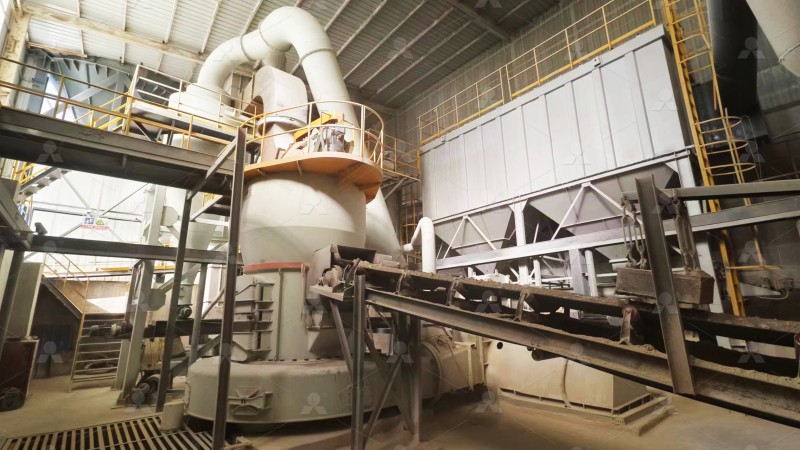
Understanding Chrome Ore’s Grinding Challenges
Chrome ore is notoriously abrasive, leading to high wear rates on conventional milling equipment. This results in increased maintenance downtime and higher operational costs from frequent replacement of vulnerable parts. Furthermore, achieving the optimal particle size distribution is crucial for downstream beneficiation processes like spiral concentration and flotation. An inefficient grind can lead to poor recovery rates and lower-grade concentrates, directly impacting profitability. Factors such as moisture content, ore hardness variability, and the need for consistent fineness add layers of complexity to the grinding circuit design.
Key Considerations for Mill Selection
When evaluating grinding mills for your Indonesian chrome ore project, several factors must be prioritized:
- Abrasion Resistance: The mill’s grinding elements must be constructed from highly wear-resistant materials to withstand the abrasive nature of chrome ore.
- Energy Efficiency: Grinding is an energy-intensive process. Selecting a mill with lower specific energy consumption can drastically reduce operating costs.
- Product Fineness Control: The ability to precisely control the final product size is essential for maximizing mineral liberation and recovery.
- Operational Stability & Ease of Maintenance: Remote locations common in Indonesian mining require robust, reliable equipment with easy maintenance protocols to minimize downtime.
- Environmental Compliance: Mills should operate with low dust and noise emissions to meet local environmental standards.
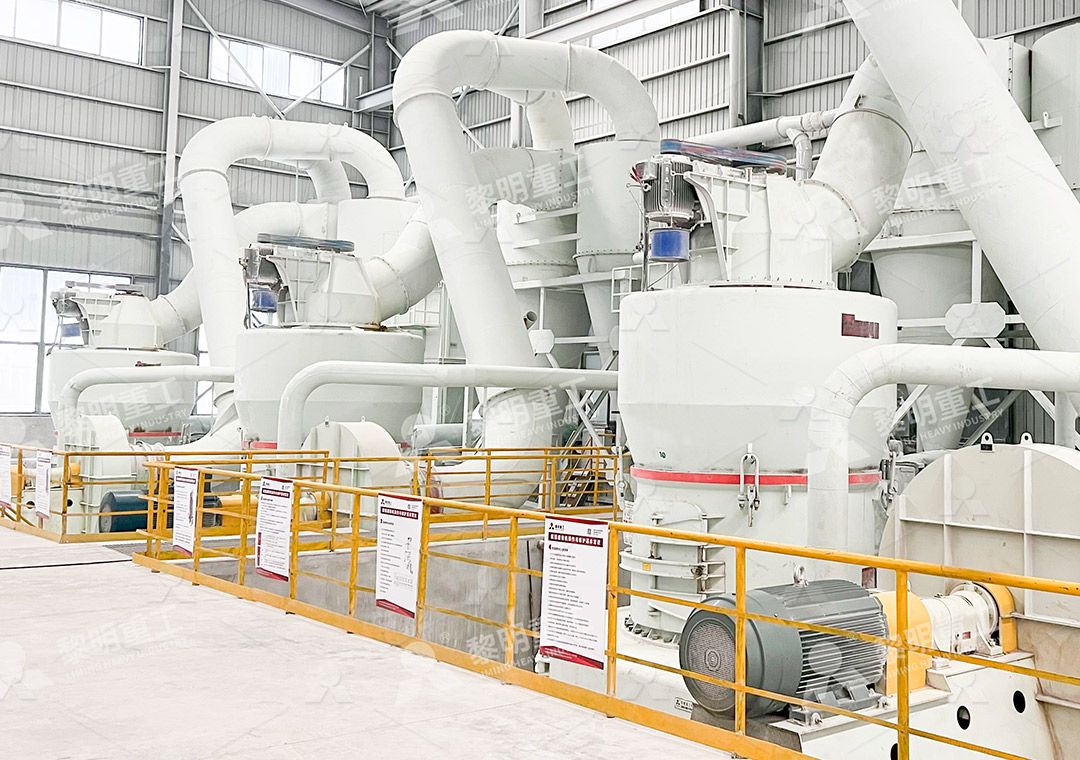
Advanced Mill Technologies for Superior Performance
While traditional ball mills have been widely used, modern vertical roller mills and advanced trapezium mills offer significant advantages for chrome ore processing. A standout solution for operations requiring ultra-fine grinding to enhance liberation is the MW Ultrafine Grinding Mill.
The MW Ultrafine Grinding Mill is engineered for customers needing to produce ultra-fine powder efficiently. With an input size of 0-20 mm and a capacity range of 0.5-25 tph, it is well-suited for various scales of operation. Its design incorporates several features that directly address the challenges of chrome ore grinding. It boasts higher yielding and lower energy consumption, with production capacity 40% higher than jet mills and yield twice as large as ball mills, while system energy consumption is only 30% of a jet mill. This is a critical advantage in regions with high energy costs.
Furthermore, its adjustable fineness between 325-2500 meshes allows for precise control over the final product, which is vital for chrome ore beneficiation. The mill’s innovative design includes no rolling bearings or screws in the grinding chamber, eliminating common failure points and concerns about damage from loose components. For environmentally conscious operations in Indonesia, the mill is equipped with an efficient pulse dust collector and muffler, ensuring dust-free and low-noise operation that complies with national environmental protection standards.
For operations focusing on slightly larger capacities with exceptional stability, the LUM Ultrafine Vertical Grinding Mill is another excellent choice. It integrates grinding, grading, and transporting with higher yielding rates and more energy-saving multi-head powder separating technology, reducing energy consumption by 30%-50%. Its double position-limiting technology ensures stable operation even with feed fluctuations, a common occurrence in mining.
Conclusion
The success of an Indonesian chrome ore project heavily depends on the selection of an appropriate and efficient grinding mill. Moving beyond conventional technologies to advanced solutions like the MW Series or LUM Series mills can lead to substantial gains in productivity, cost savings, and operational reliability. By focusing on abrasion resistance, energy efficiency, and precise control, mine operators can optimize their entire beneficiation process and maximize their return on investment.
Frequently Asked Questions (FAQ)
Q1: Why is chrome ore considered difficult to grind?
A1: Chrome ore is highly abrasive, causing rapid wear on grinding media and mill liners. This leads to high maintenance costs and potential contamination of the final product with iron from worn parts.
Q2: What is the primary advantage of a vertical roller mill over a traditional ball mill for chrome ore?
A2: Vertical roller mills are generally more energy-efficient, have a smaller footprint, and offer better control over product fineness. They also experience less wear due to their grinding principle, which is beneficial for abrasive ores like chrome.
Q3: How important is particle size control in chrome ore processing?
A3: It is critical. Optimal liberation of the chrome-bearing minerals from the gangue is necessary for efficient concentration. Over-grinding wastes energy and can create slimes that are difficult to process, while under-grinding results in poor recovery.
Q4: Can the MW Ultrafine Grinding Mill handle the humidity levels found in Indonesia?
A4: Yes, the MW Mill’s system is designed to handle a range of material conditions. However, for ores with very high surface moisture, a pre-drying stage or a mill with integrated drying capabilities (like an LM Vertical Mill) might be recommended after a detailed ore analysis.
Q5: What kind of after-sales support is available for mills operating in remote Indonesian locations?
A5> Reputable manufacturers offer comprehensive support, including remote technical assistance, a sufficient supply of genuine spare parts, and on-site service teams to ensure worry-free operation and minimize downtime.