
How to Maintain Your Limestone Grinding Mill for Optimal Performance
We provide a wide range of mills — including Raymond mill, trapezoidal mill, vertical mill, ultrafine mill, and ball mill, obtained ISO9001 international quality certification, EU CE certification, and Customs Union CU-TR certification. Suitable for processing minerals such as limestone, phosphate, quicklime, kaolin, talc, barite, bentonite, calcium carbonate, dolomite, coal, gypsum, clay, carbon black, slag, cement raw materials, cement clinker, and more.
The discharge range of these mills can be adjusted to meet specific processing needs, typically from 80-400 mesh, 600-3250 mesh, and can achieve the finest particle size of up to 6000 mesh(D50).
If you are looking for a reliable grinding solution to turn stone or minerals into fine powder, please feel free to contact our online customer service.
How to Maintain Your Limestone Grinding Mill for Optimal Performance
Maintaining a limestone grinding mill is not just about fixing problems as they arise; it’s about proactive care that ensures consistent output, minimizes downtime, and extends the machine’s operational life. For operations relying on fine limestone powder, whether for construction materials, industrial fillers, or agricultural applications, a well-maintained mill is the backbone of productivity. This guide outlines key maintenance practices to keep your equipment running at its peak.
Establishing a Proactive Maintenance Routine
The most critical aspect of mill maintenance is consistency. A reactive approach—waiting for something to break—leads to costly unplanned shutdowns and potential damage to core components. Instead, implement a scheduled maintenance plan based on operating hours and material throughput.
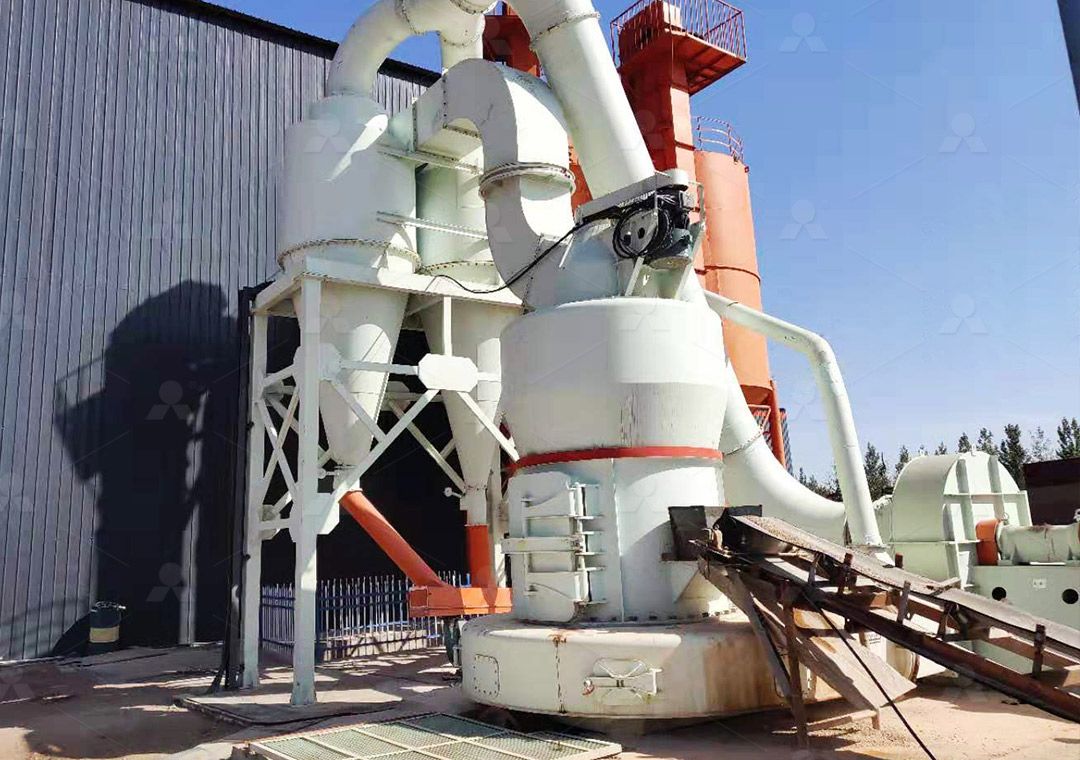
Start with daily checks. Before operation, visually inspect the mill for any signs of oil or grease leaks. Listen for unusual noises during startup and operation, as these can be early indicators of bearing issues or misalignments. Check the pressure gauges on hydraulic systems (if applicable) to ensure they are within the manufacturer’s specified range.
Weekly tasks should include a more thorough inspection of the grinding chamber’s wear parts, such as the rollers and rings. Look for signs of uneven wear, which could indicate a need for adjustment or imbalance in material feed. Our MW Ultrafine Grinding Mill is designed with user-friendly maintenance in mind. Its unique feature of having no rolling bearings or screws inside the grinding chamber eliminates common failure points, allowing operators to focus on the grinding elements themselves. With an input size of 0-20 mm and a capacity ranging from 0.5 to 25 tph, it’s a robust solution for high-precision limestone processing.
Key Components to Monitor Closely
1. Grinding Rollers and Rings: These are the heart of the grinding process. Regularly measure their thickness and document the wear. Establish a replacement schedule before they wear down to a critical level, which could damage the mill’s base structure. The wear-resistant alloy used in our mills’ rollers and rings offers a significantly longer service life, reducing the frequency of replacements.
2. Lubrication System: Proper lubrication is non-negotiable. Follow the manufacturer’s guidelines for lubricant types and change intervals meticulously. Over-lubrication can be as harmful as under-lubrication, attracting dust and causing seals to fail. The external lubrication design of the MW mill allows for lubrication without shutdown, enabling 24-hour continuous production—a significant advantage for high-volume operations.
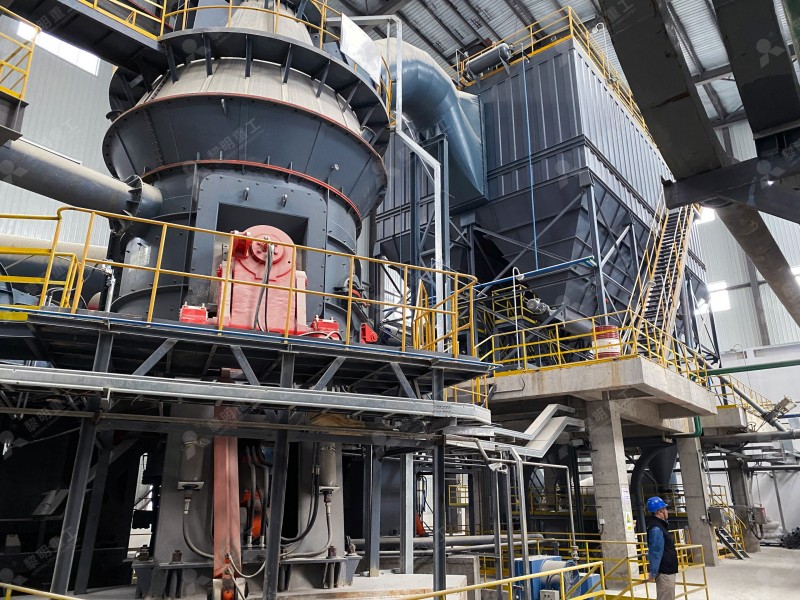
3. Classifier or Separator: The efficiency of your powder selection directly impacts product fineness. Ensure the classifier blades or rotor are clean and not warped. For mills requiring ultra-fine products up to 2500 mesh, like our MW model with its German-technology cage-type powder selector, keeping this component calibrated is essential for achieving the desired particle size distribution.
4. Dust Collection System: A clogged or inefficient dust collector not only creates an environmental and safety hazard but also disrupts the internal air balance of the mill, reducing grinding efficiency. Regularly check and clean the filter bags or cartridges in the pulse dust collector. Our mills are equipped with high-efficiency dust collectors, ensuring the entire milling system operates cleanly according to national environmental standards.
Leveraging Advanced Technology for Easier Maintenance
Modern grinding mills incorporate features that simplify upkeep. For operations seeking the pinnacle of automation and stability, the LUM Ultrafine Vertical Grinding Mill presents an excellent choice. Its reversible structure is a maintenance game-changer. Using the hydraulic system, the grinding roller can be easily swung out of the mill body, providing ample space for inspection and replacement of the roller shell and liner plate. This design drastically reduces maintenance time and associated downtime losses. With an input size of 0-10 mm and a capacity of 5-18 tph, it integrates ultrafine grinding, grading, and transporting with exceptional precision.
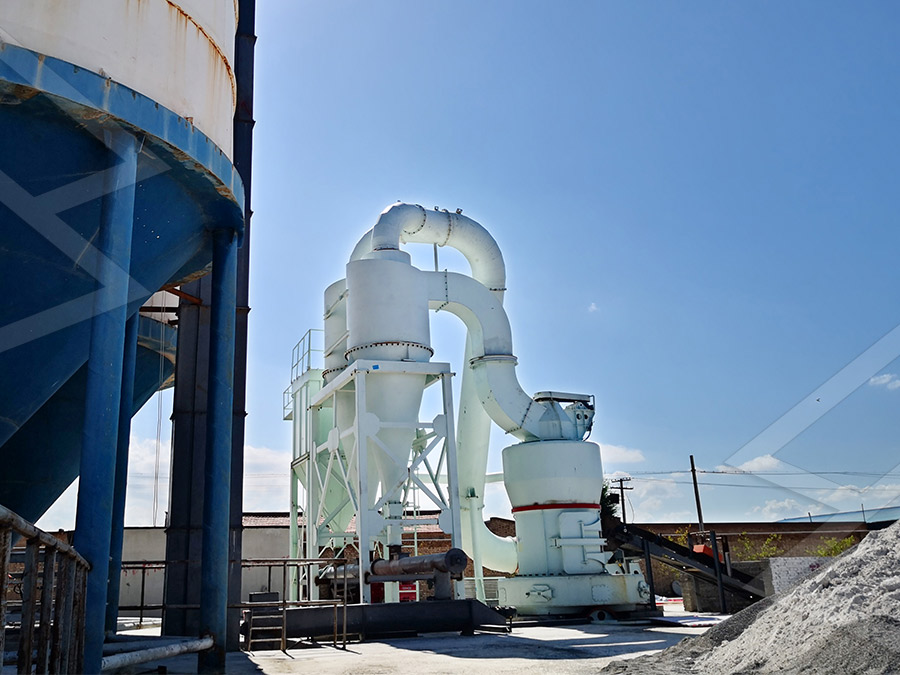
Furthermore, the digitalized processing employed in manufacturing these mills ensures high precision in core parts, leading to smoother operation and more predictable wear patterns. This translates to fewer unexpected breakdowns and more reliable performance over the long term.
Frequently Asked Questions (FAQ)
Q1: How often should I replace the grinding rollers and rings?
A: There’s no universal answer, as it depends on the abrasiveness of your limestone, desired fineness, and total operating hours. The best practice is to monitor wear regularly and establish a replacement schedule based on your specific operational data. Our wear-resistant alloys are designed to last significantly longer than standard materials.
Q2: What is the most common cause of a drop in mill output or product fineness?
A: Often, it’s related to worn grinding elements (rollers/rings) or a misadjusted/contaminated classifier. A blocked dust collector affecting internal airflow can also be a culprit. Start your troubleshooting with these components.
Q3: Can maintenance be performed while the mill is running?
A: Most internal maintenance requires a complete shutdown and lockout/tagout for safety. However, certain features, like the external lubrication system on the MW Ultrafine Grinding Mill, allow for specific lubrication tasks without interrupting production.
Q4: Why is my mill vibrating excessively?
A: Excessive vibration can stem from several issues: uneven feeding causing an imbalance, worn or damaged bearings, misalignment, or broken components inside the grinding chamber. Immediate investigation is necessary to prevent further damage.
By adhering to a disciplined maintenance regimen and choosing equipment designed for reliability and easy serviceability, you can maximize the performance and longevity of your limestone grinding mill, ensuring it remains a valuable asset to your operation for years to come.